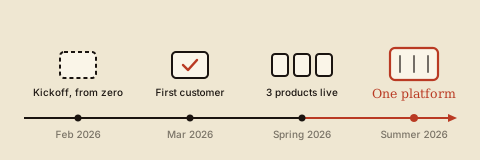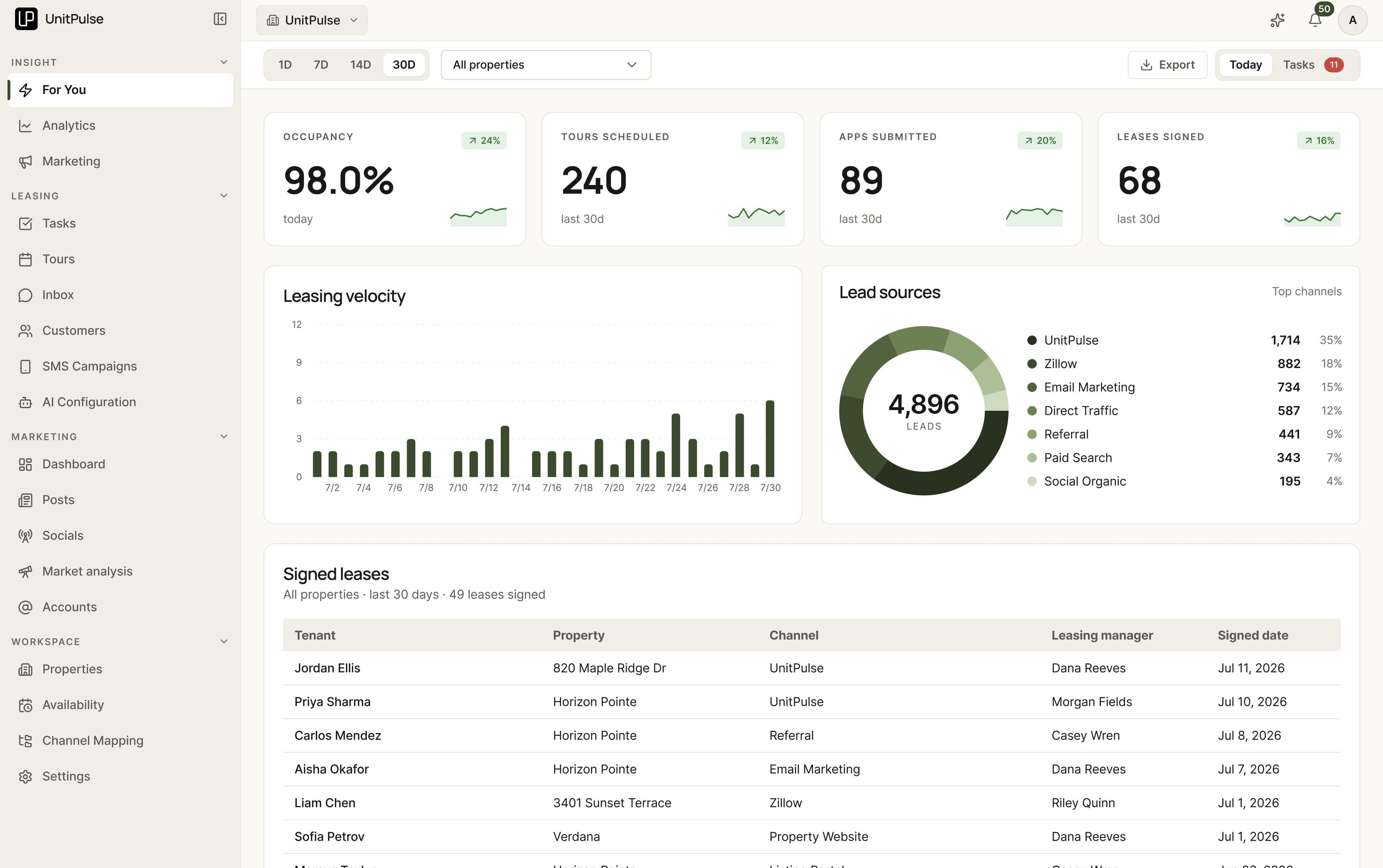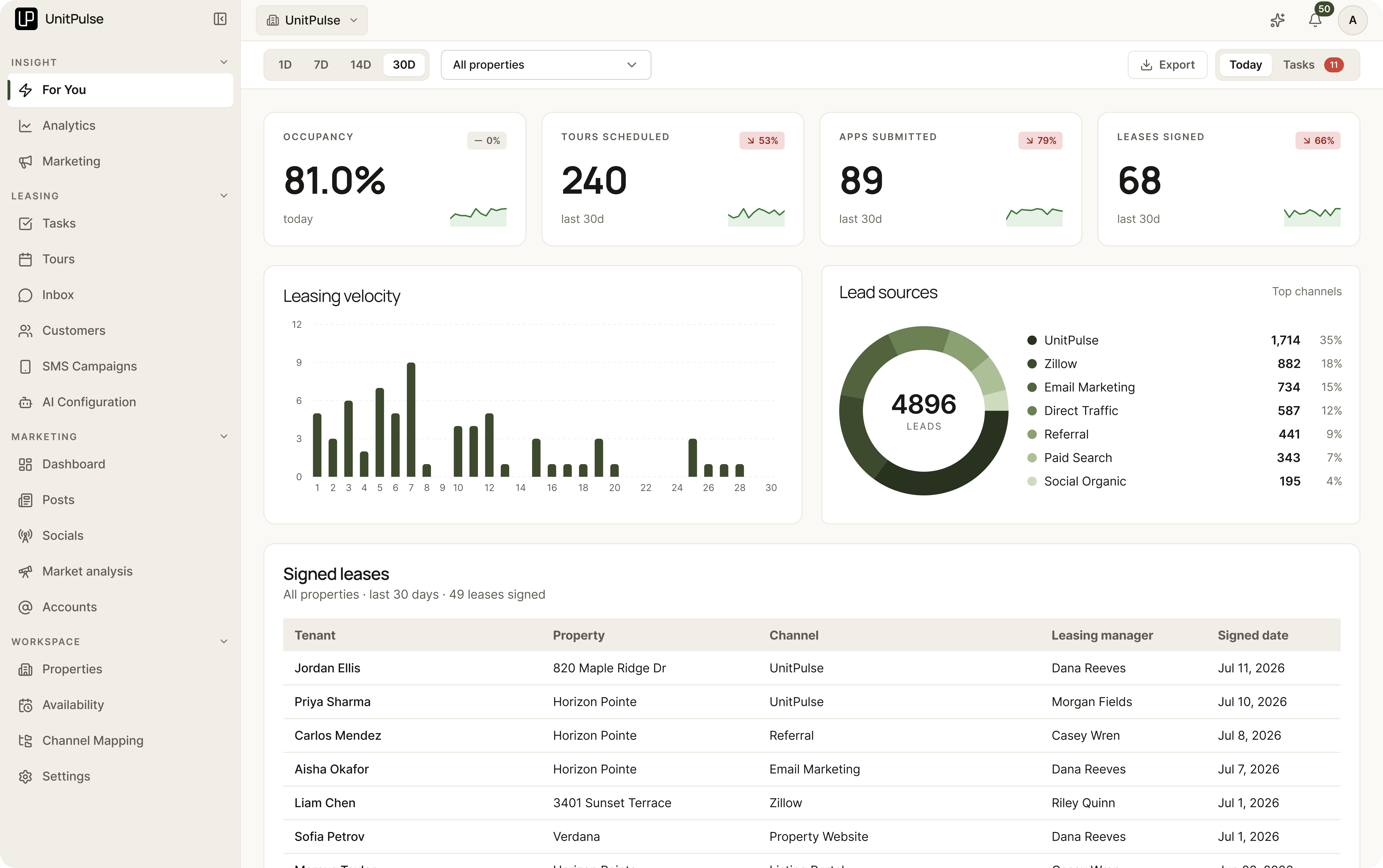
An AI-native leasing platform for property owners and their teams. It finds renters, converts them, and measures the funnel. We built it from zero starting February 2026, and the first paying customer signed a month later.
UnitPulse · 2026 · Product Design Lead
UnitPulse Platform
An AI-native leasing platform that finds renters, converts them, and measures the funnel. Built from zero in 2026.
What UnitPulse is
-
Every lead, inquiry to signed
-
Just ask Copilot
-
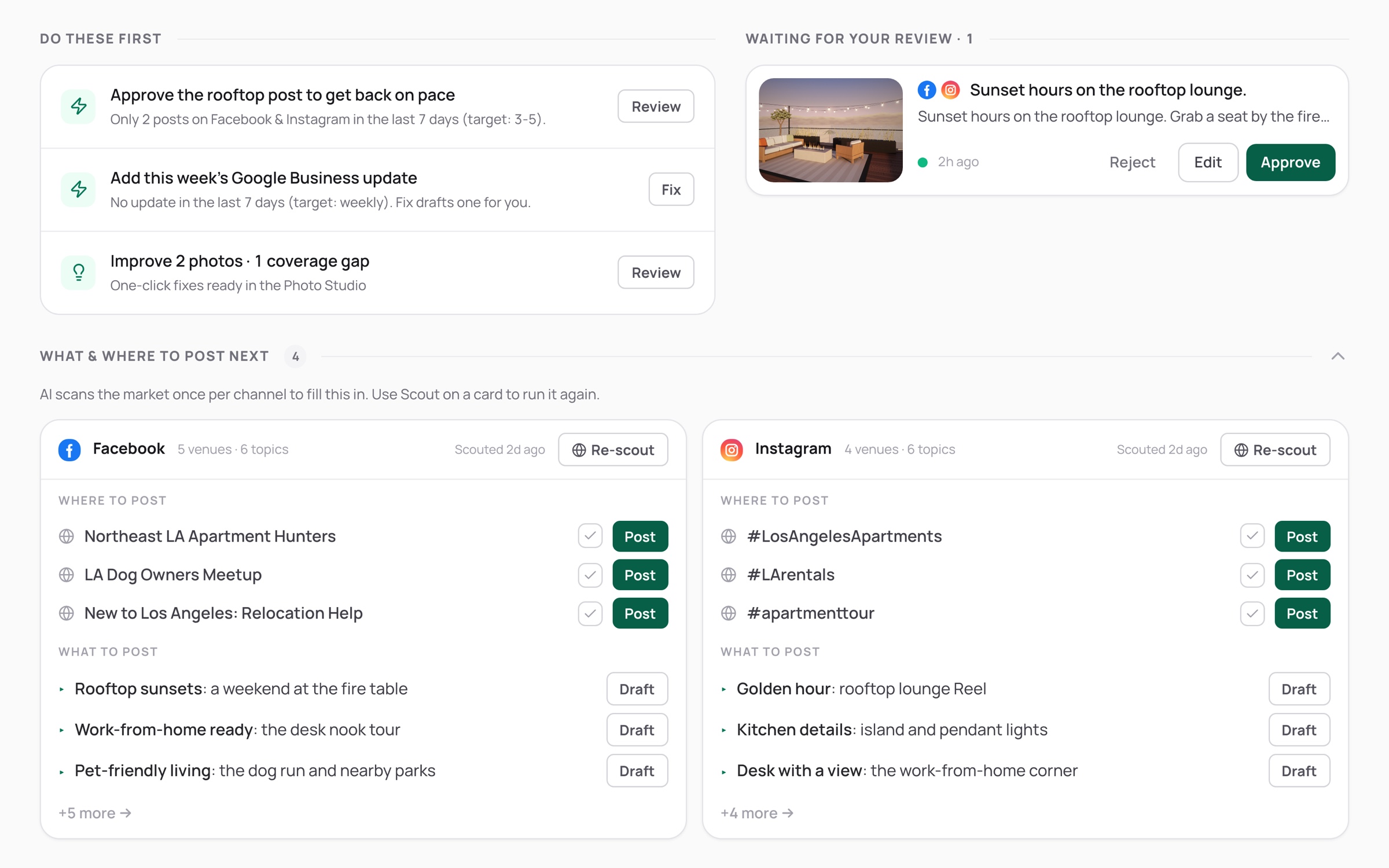
Posts on market data
-
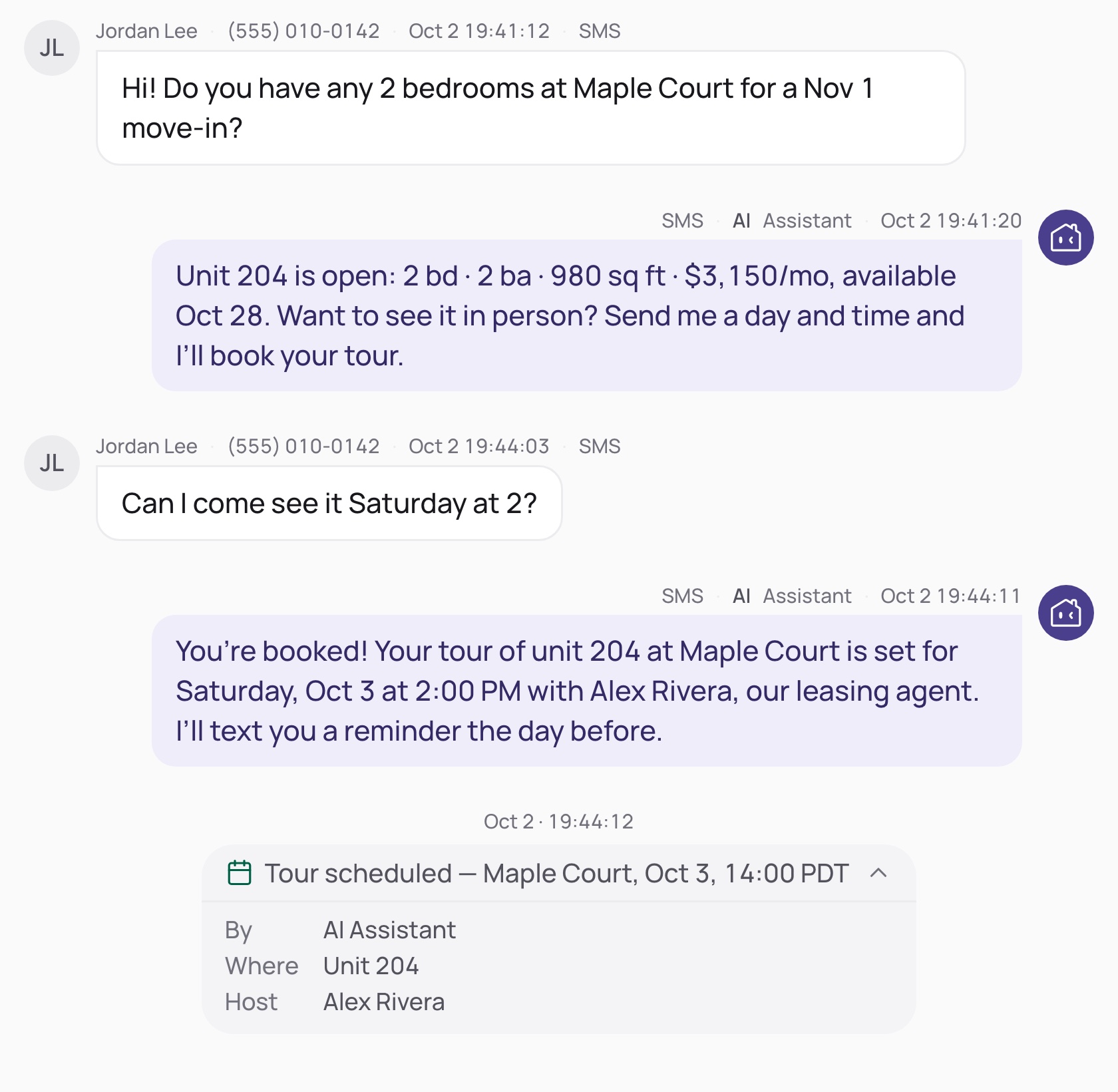
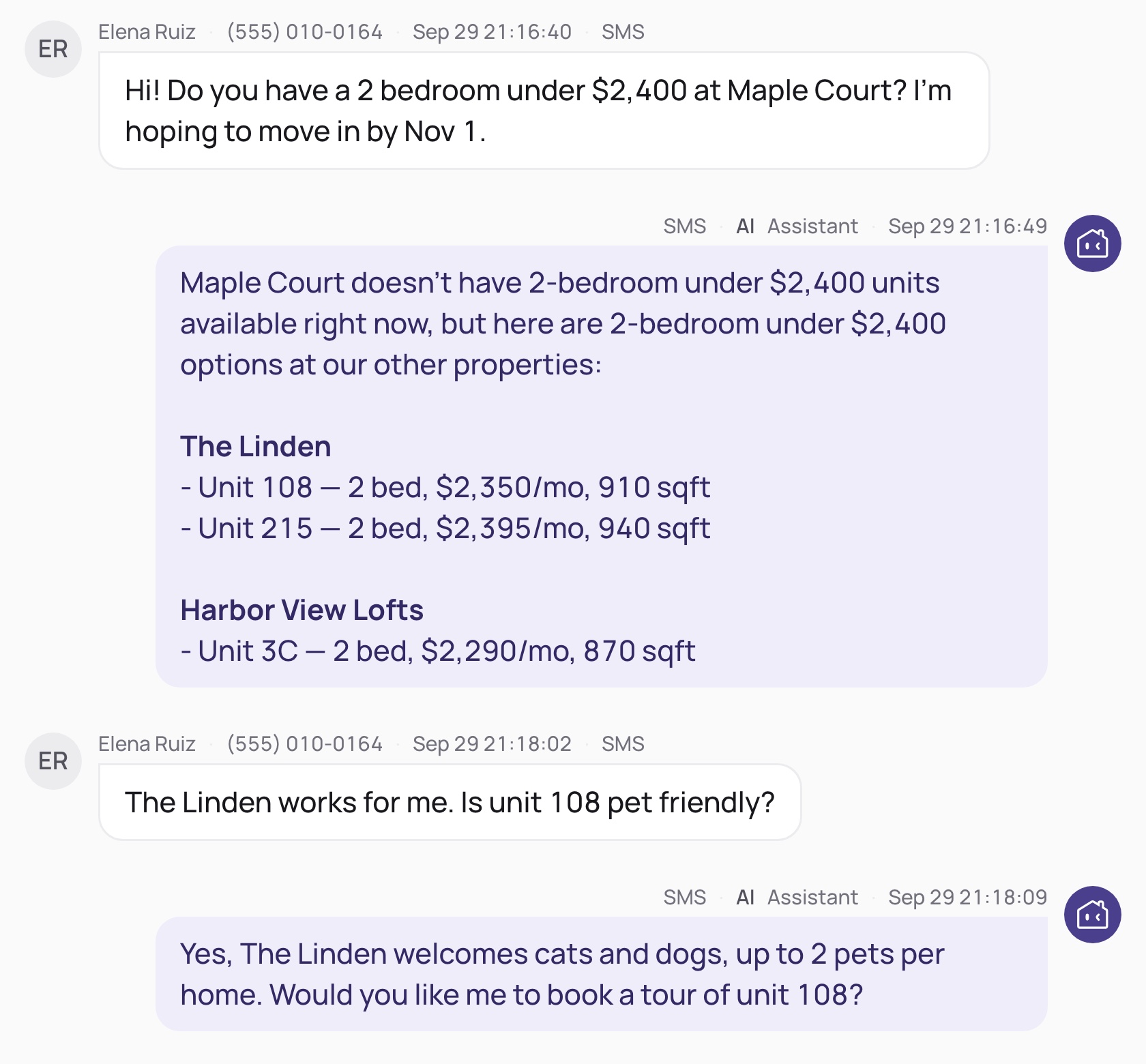
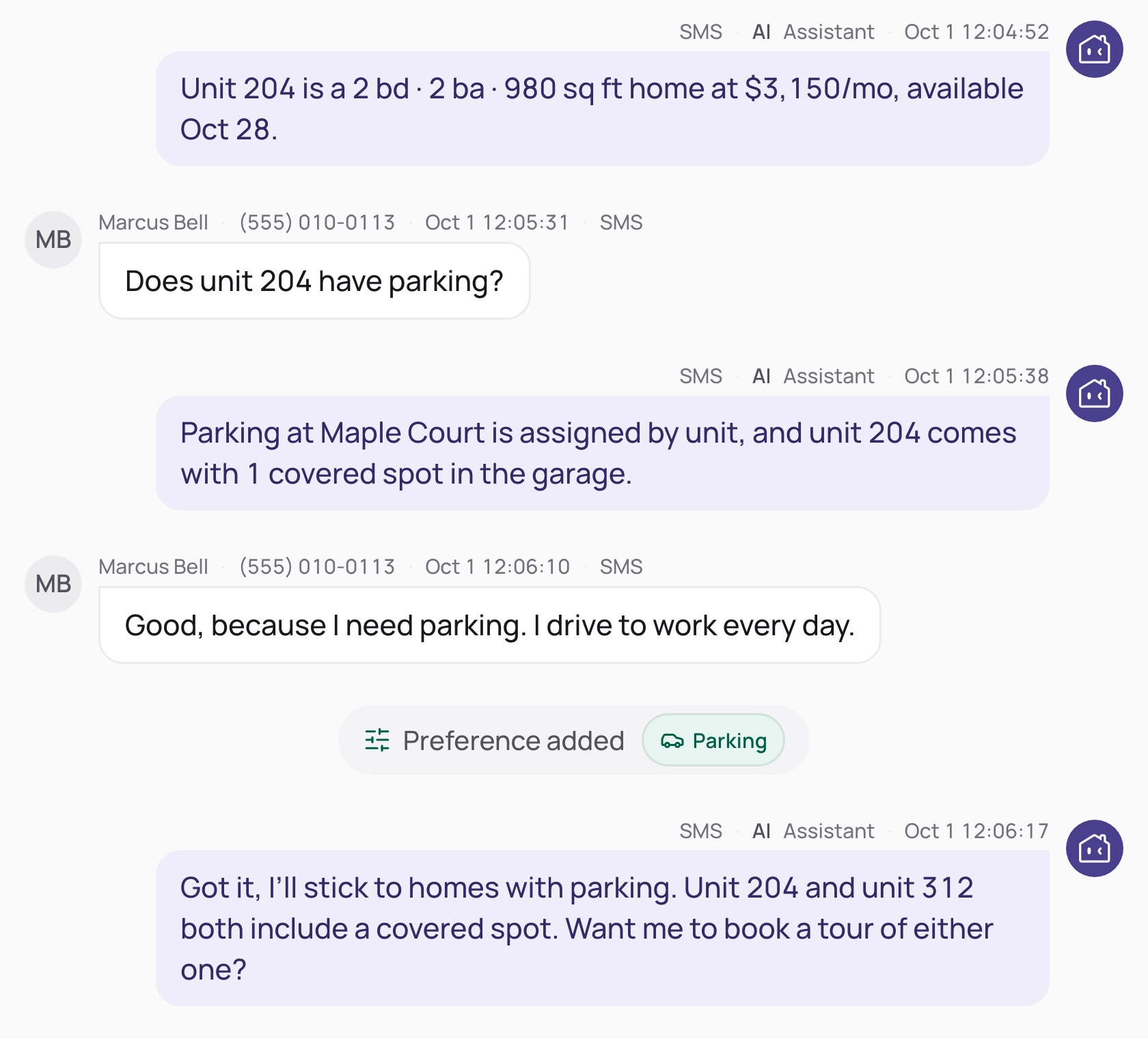
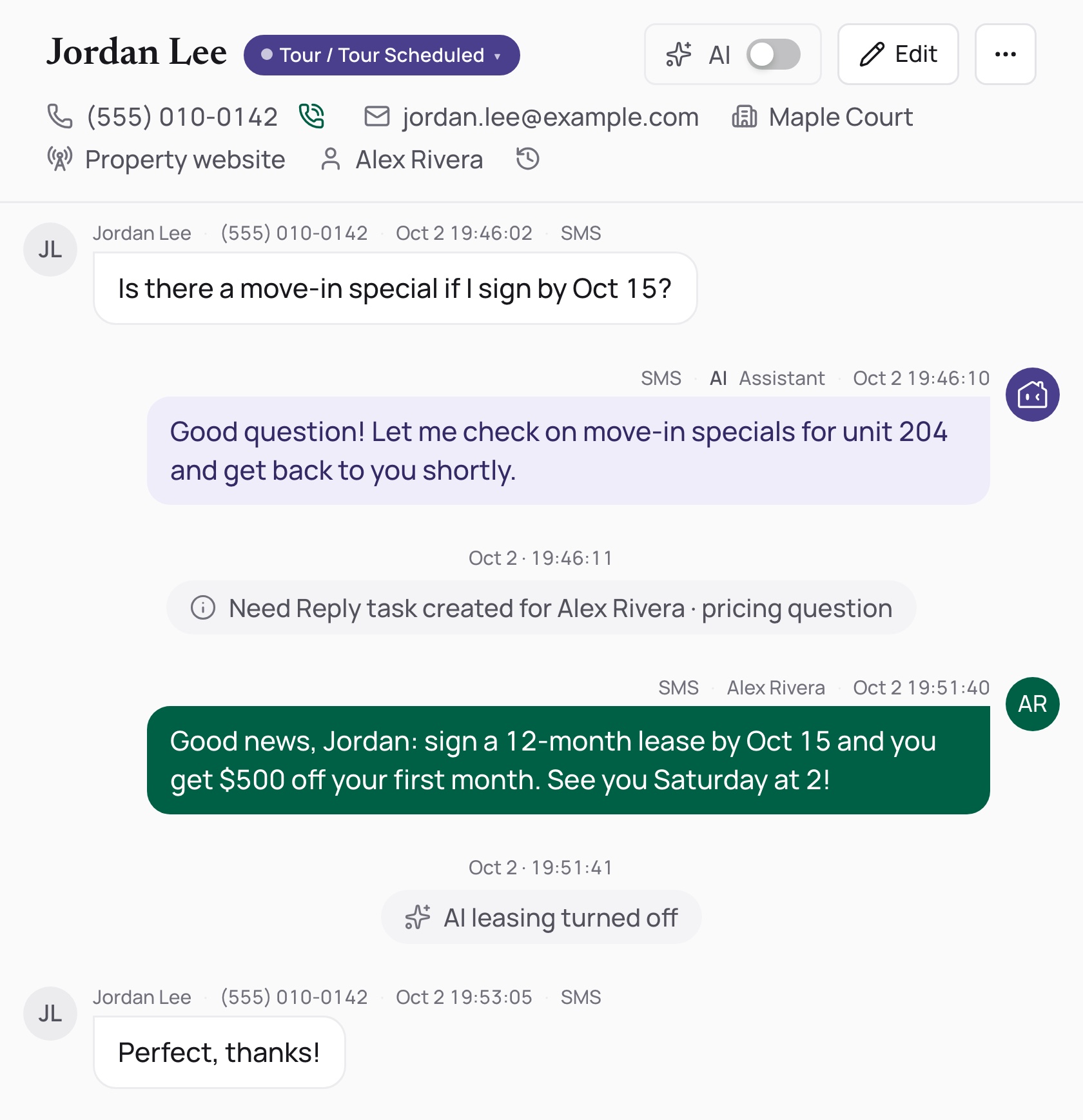
AI leasing
-
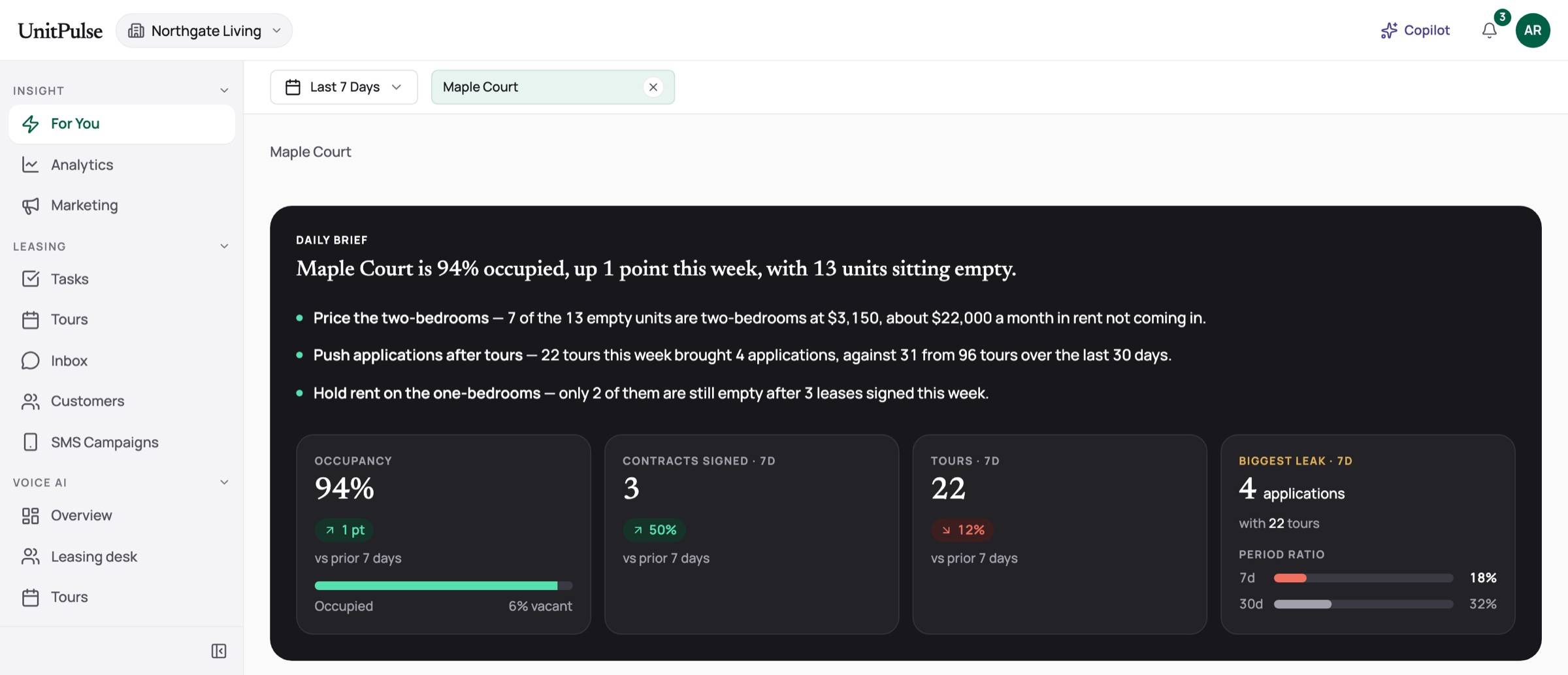
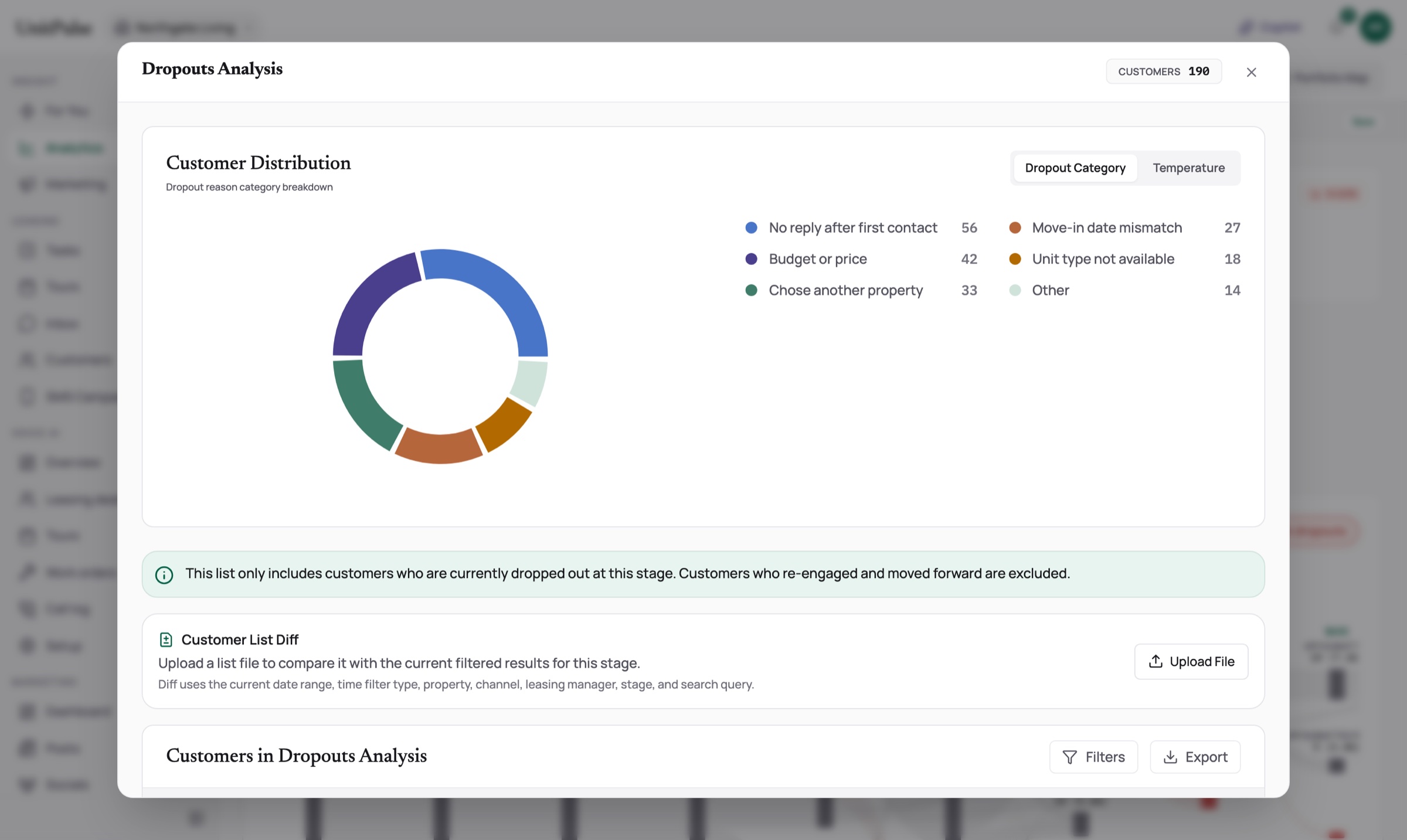
Look into drop-offs
Who it serves
Leasing still runs on spreadsheets, 7 disconnected tools, and messages nobody answered. The platform is built around 3 people.
3 people, 3 pains
-
The independent landlord
Owns a handful of units; leasing eats evenings and weekends.
- Spreadsheet reporting
- No analyst
- Every lead counts
NeedsAnswers at a glance, and an AI that follows up overnight.
-
The property manager
Runs a portfolio across neighborhoods with a small leasing team.
- 7 tools
- Team coordination
- Owner reporting
NeedsOne system of record for marketing, agents, and the funnel.
-
The leasing agent
Between tours all day, while the CRM lives on a desktop.
- Menu-deep CRM
- Follow-ups pile up
- Always mobile
NeedsOne sentence instead of 15 clicks, with the office in their pocket.
Marketing: generate demand
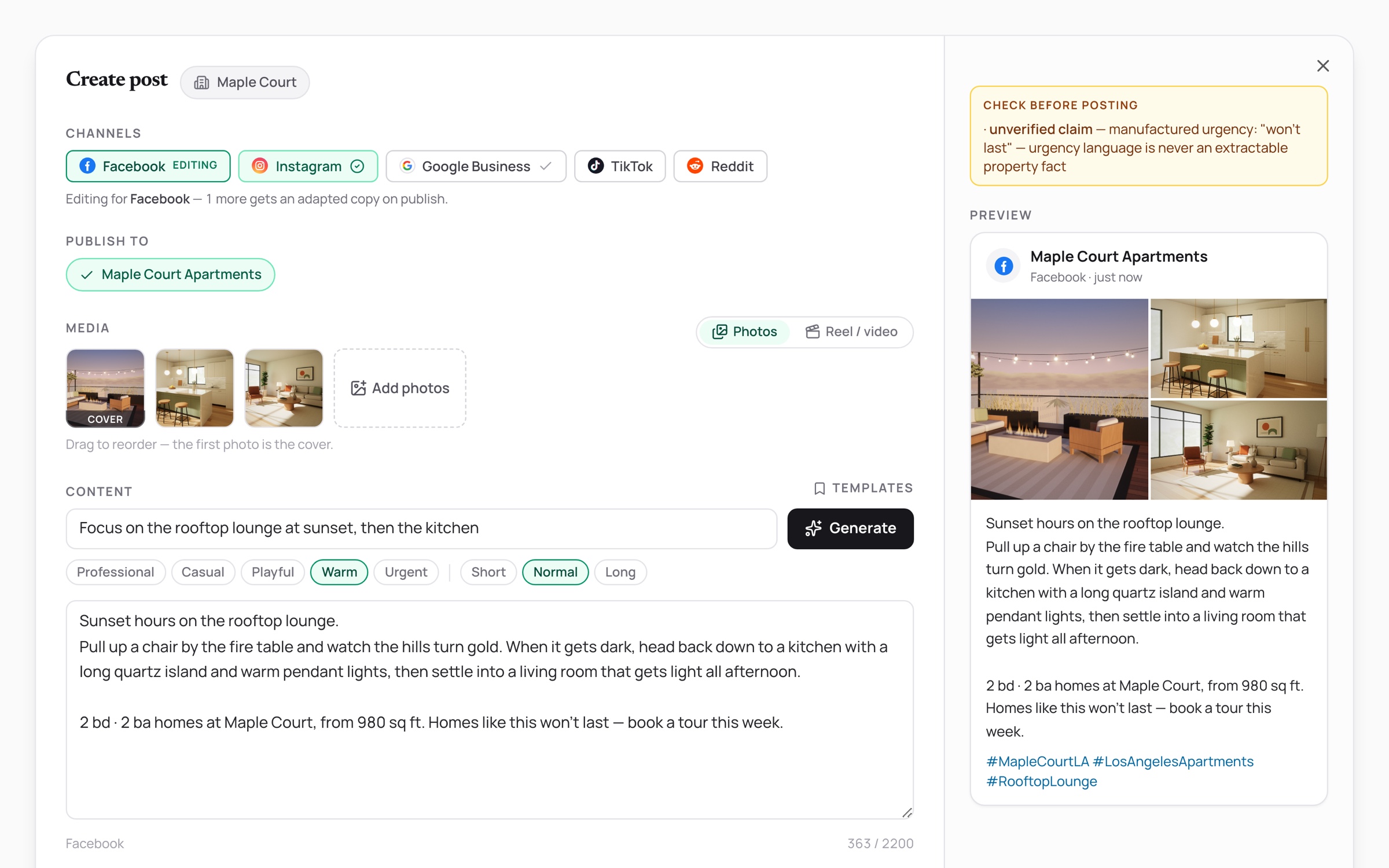
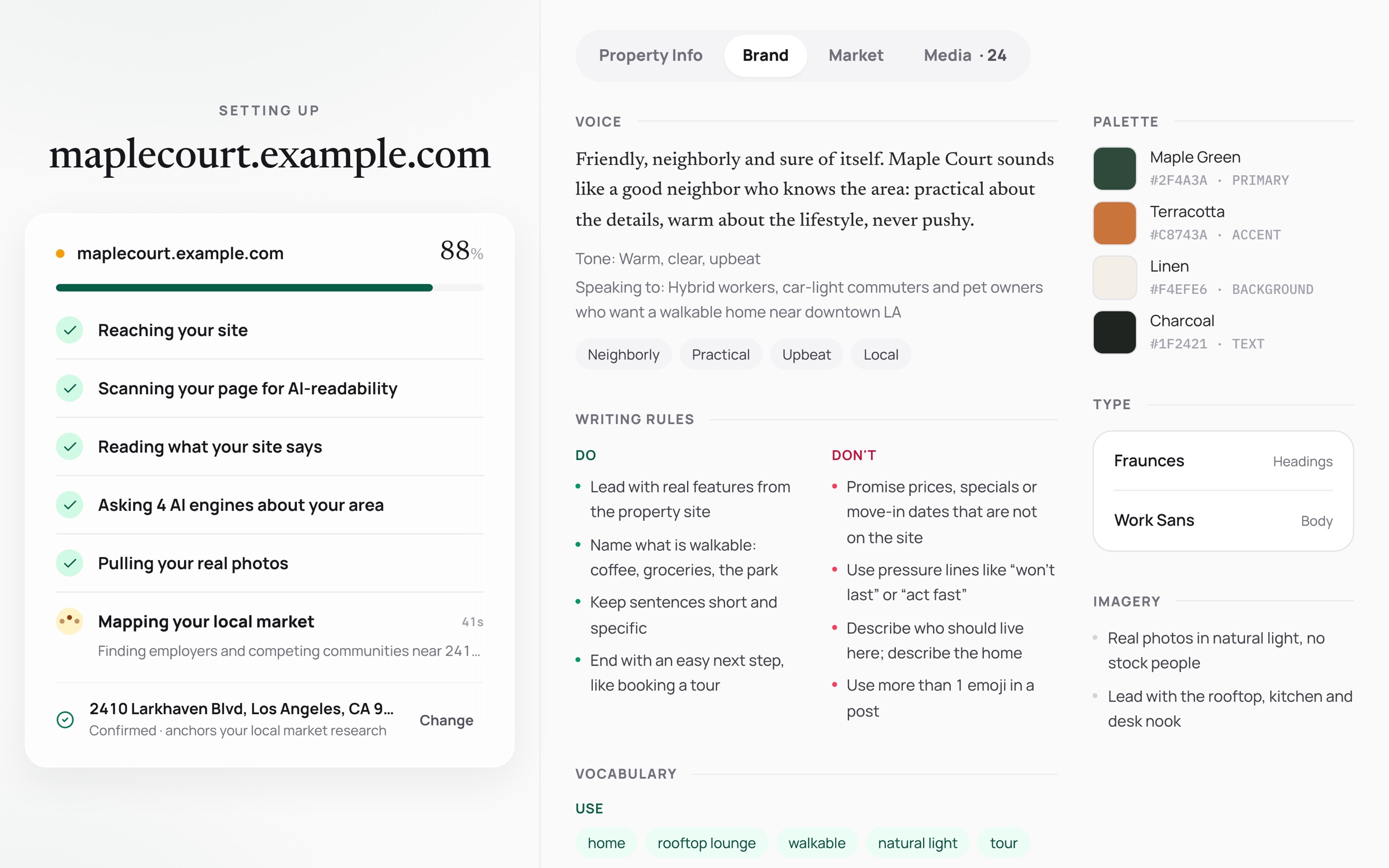
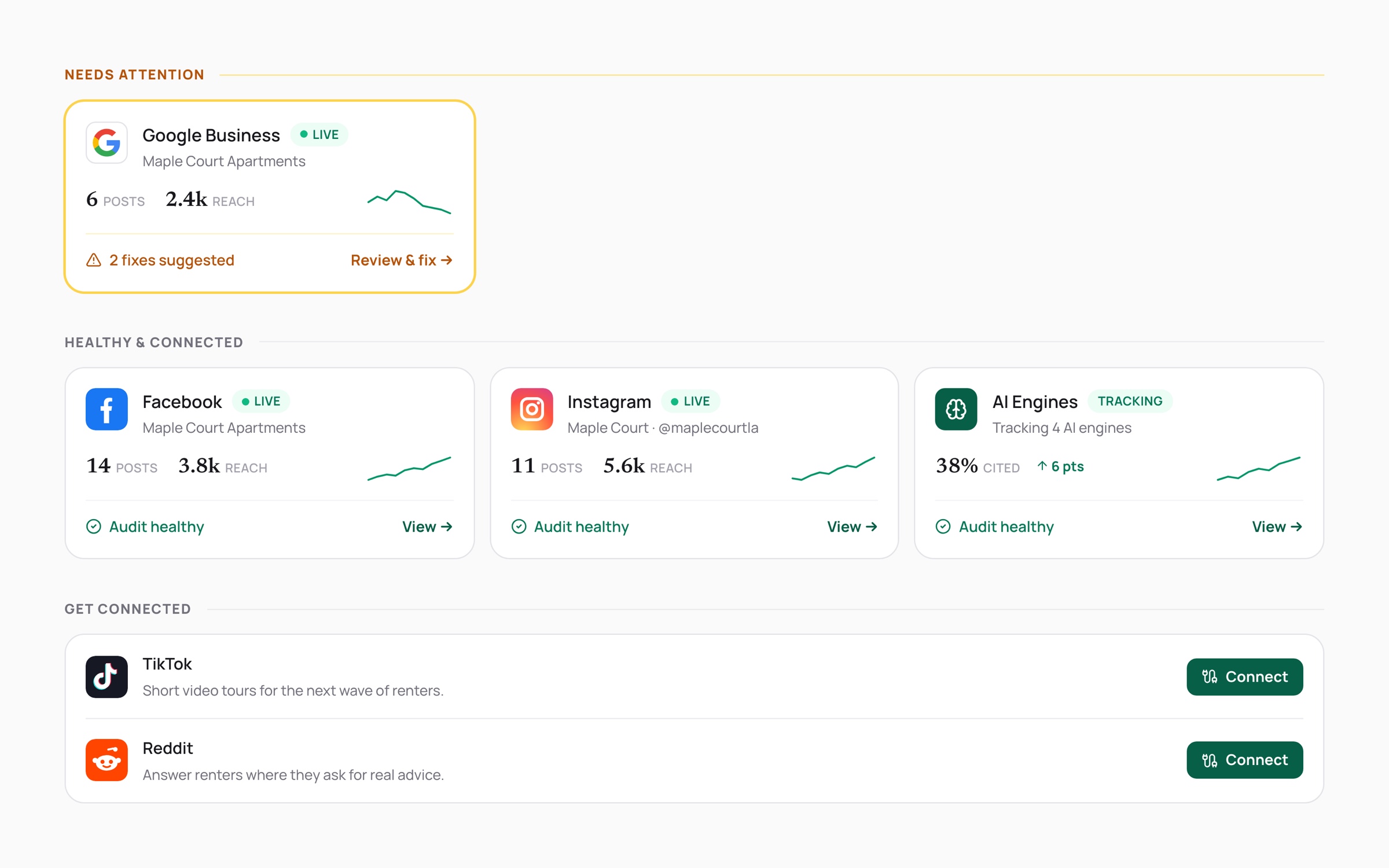
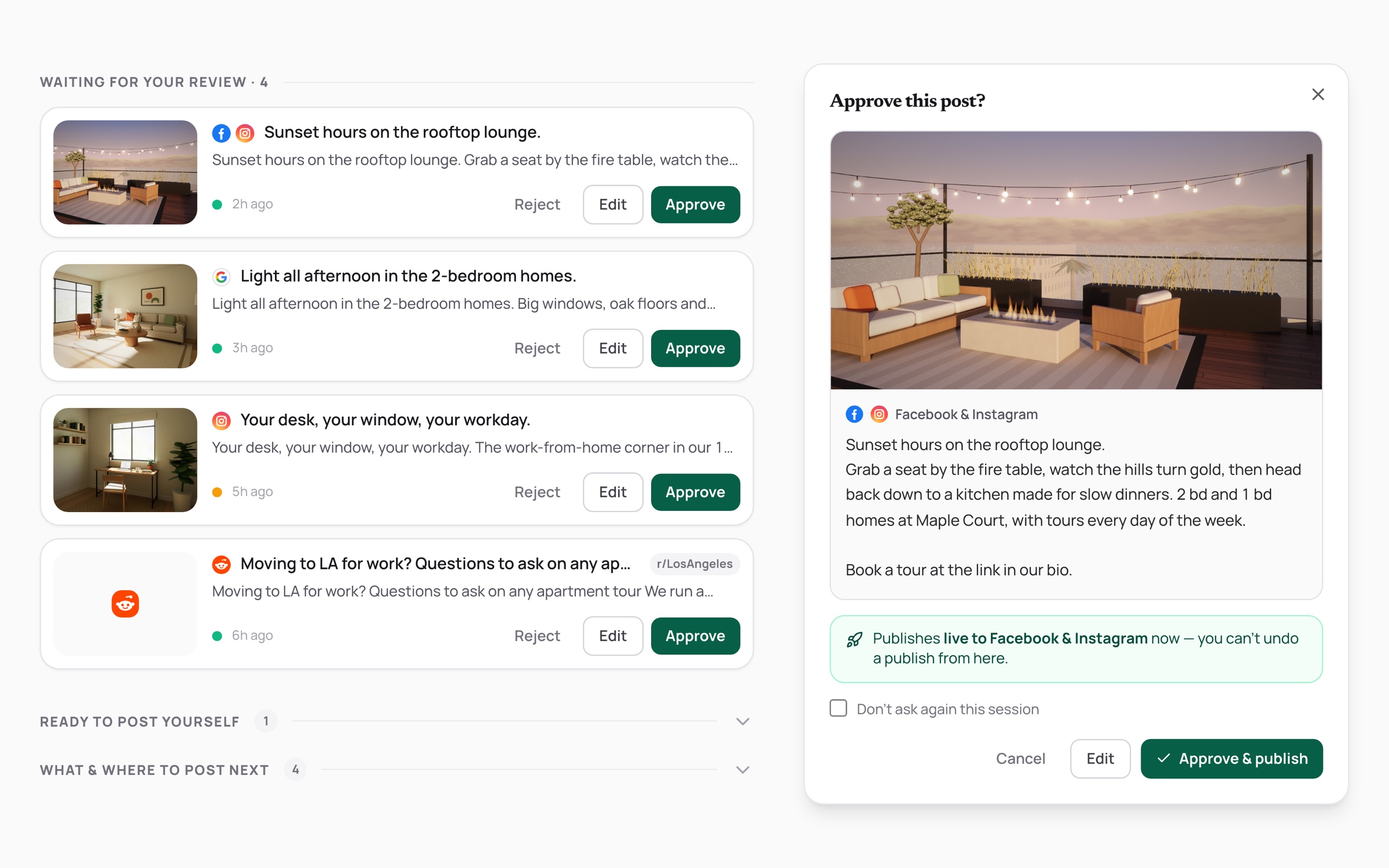
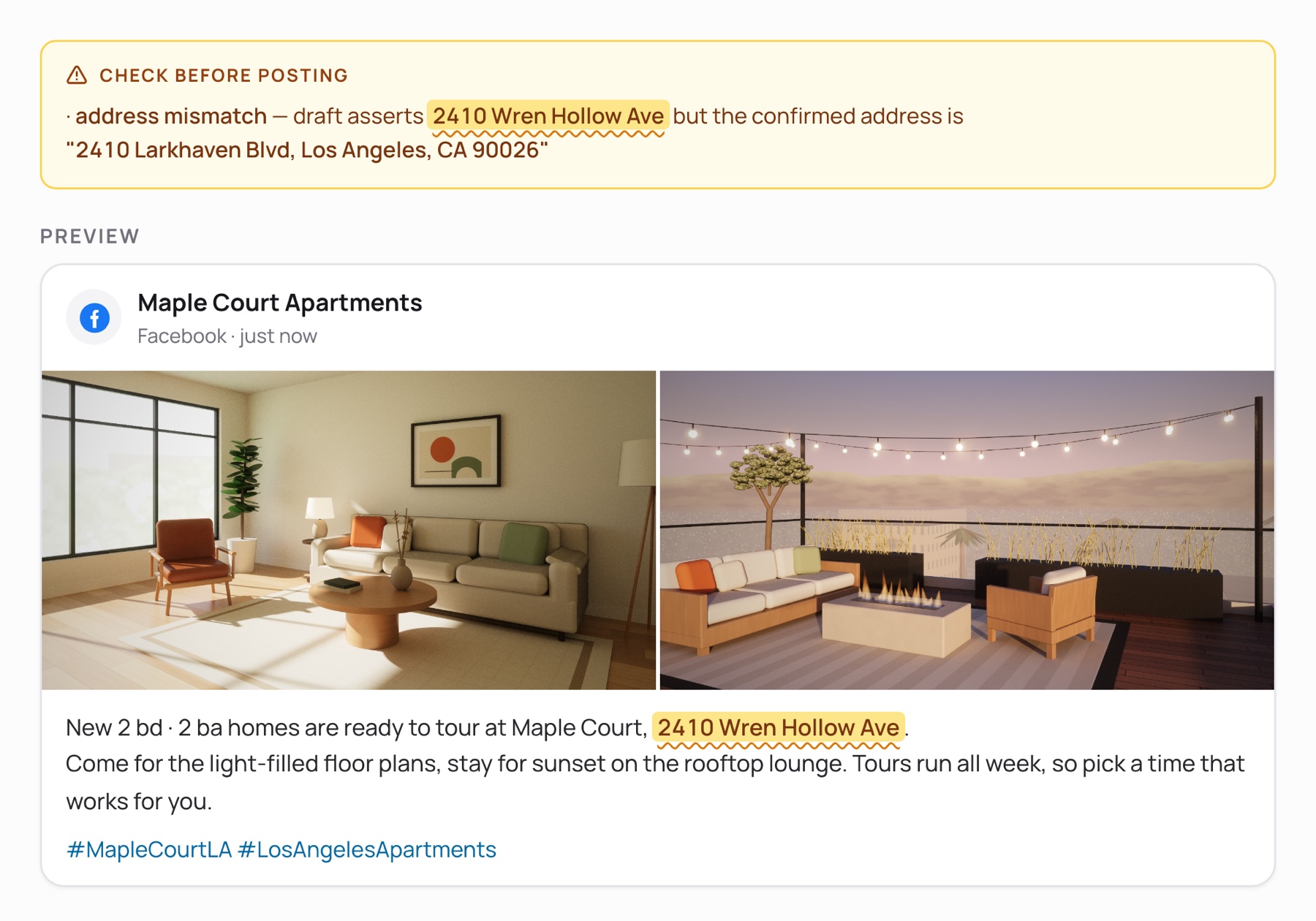
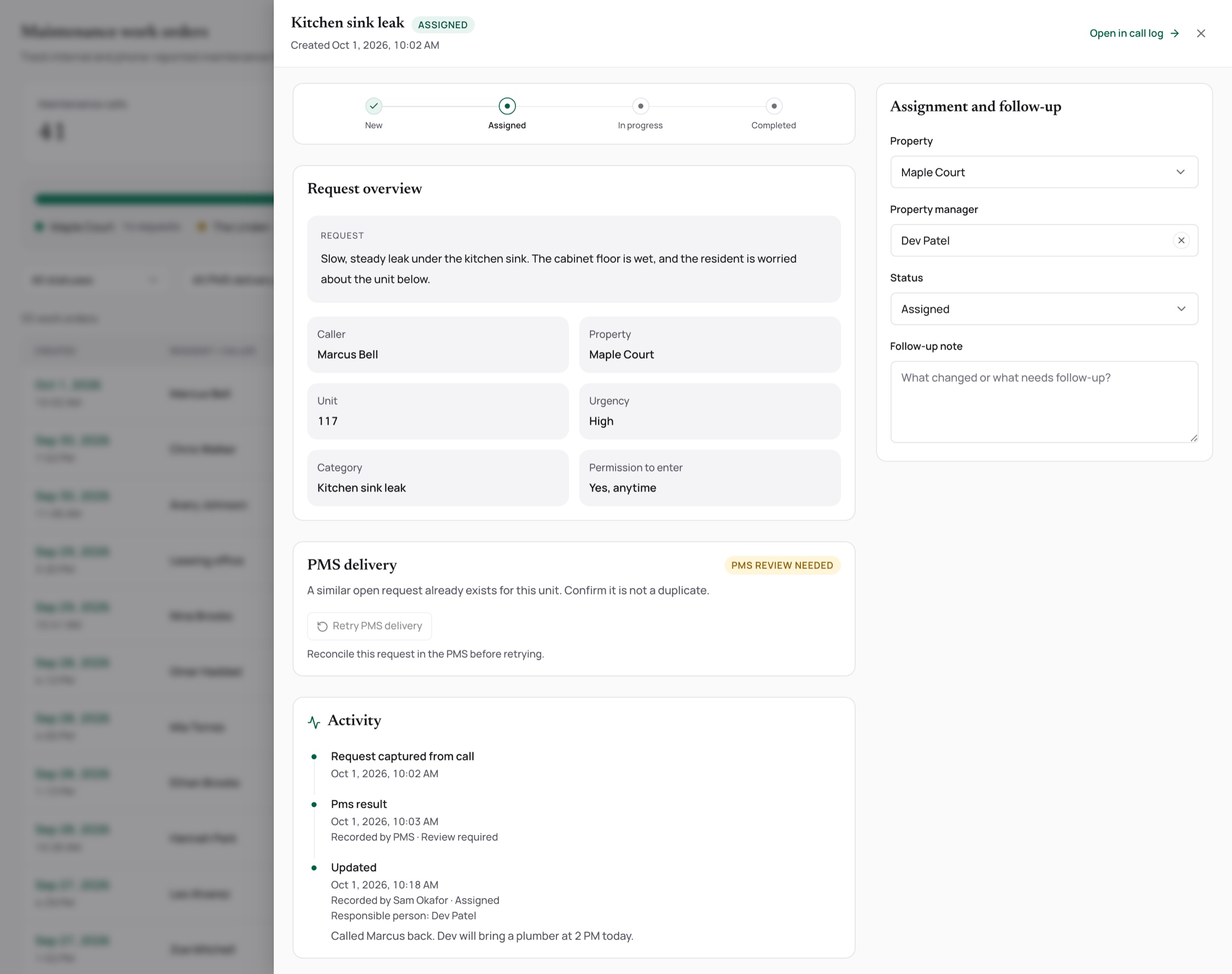
UP Marketing drafts posts and property content for each channel and each renter segment, and it keeps the Google Business Profile current, because “apartments near me” still lands there first.
Leasing: convert leads
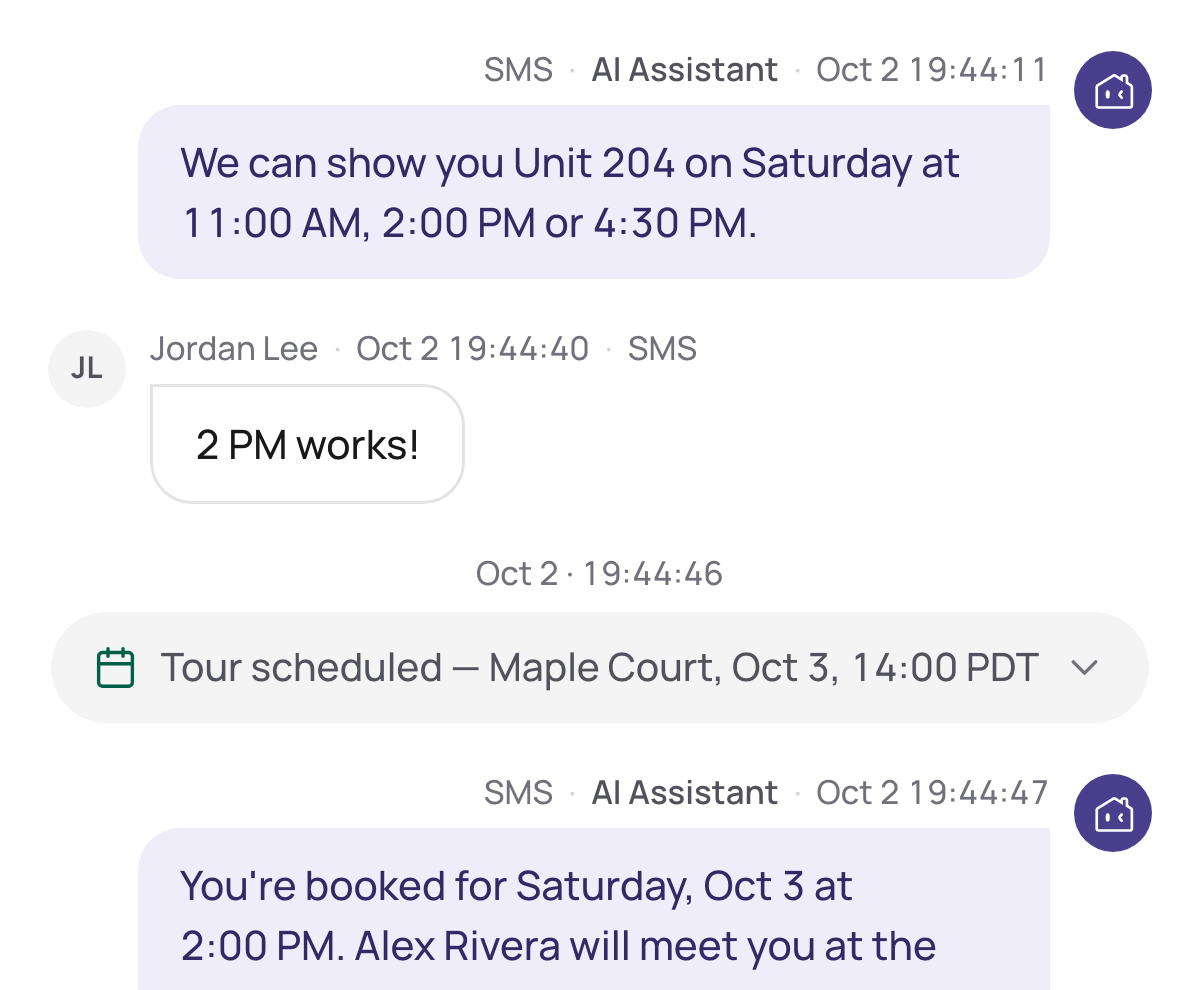
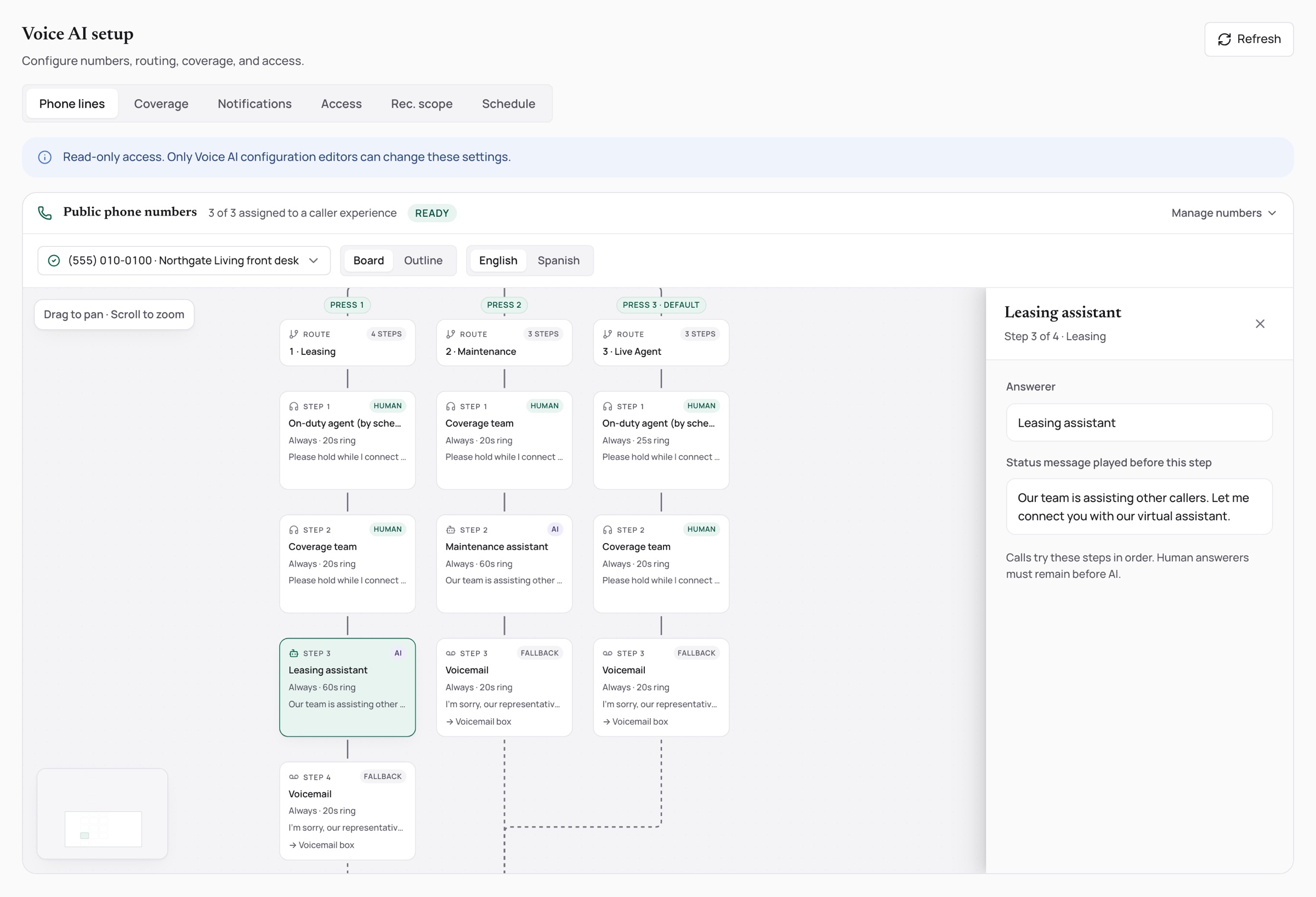
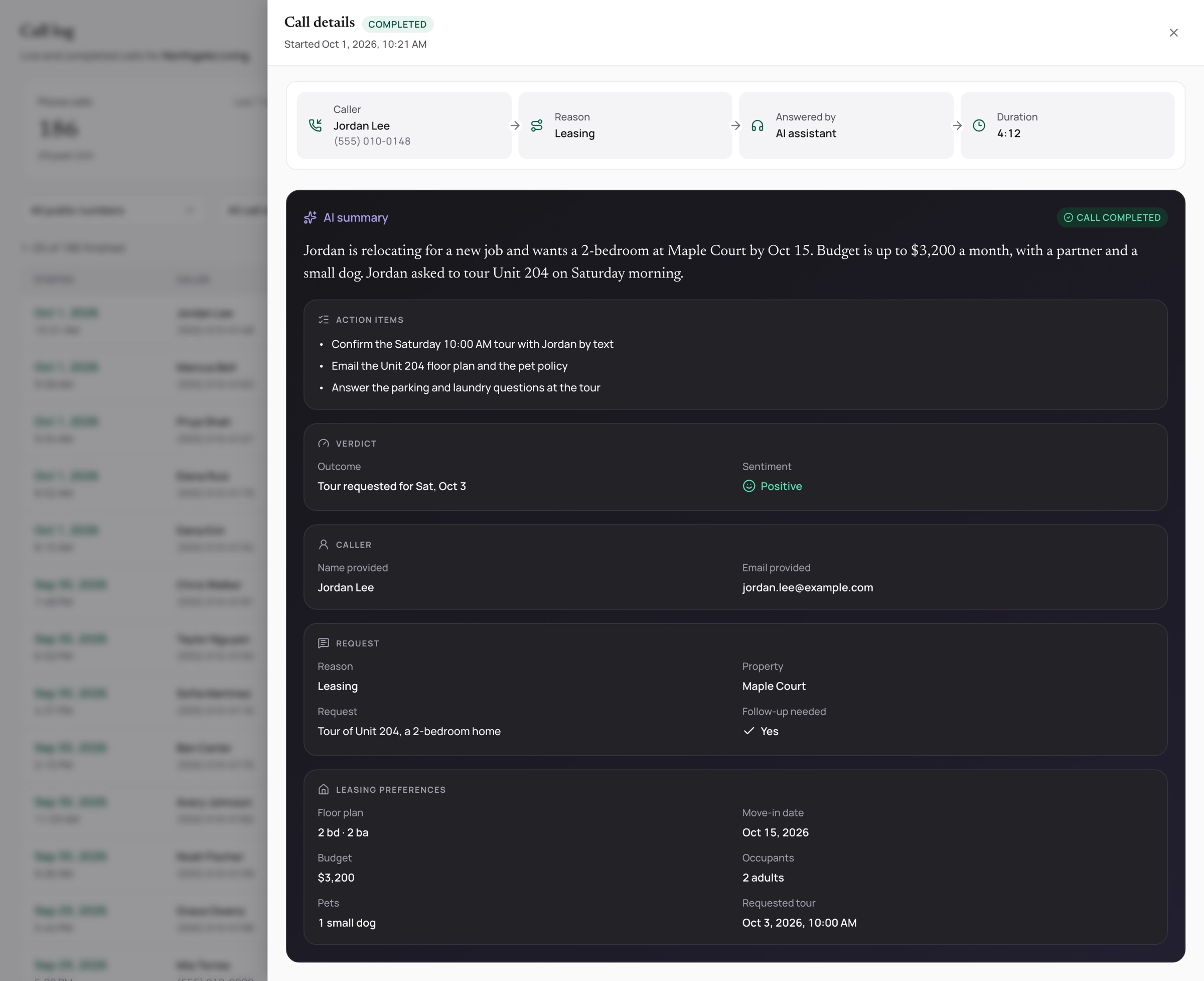
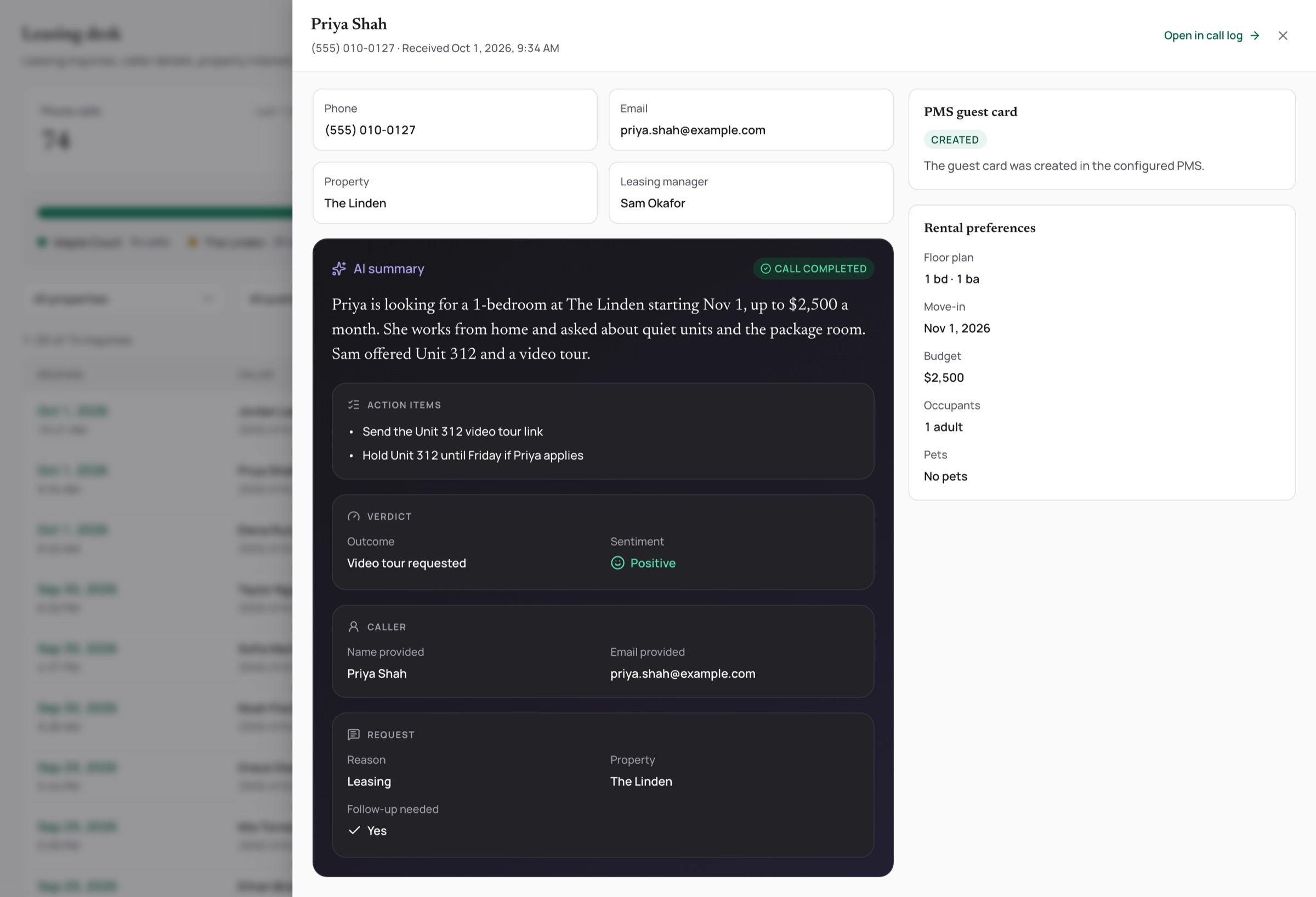
UP Leasing turns that demand into signed leases. The AI answers every inquiry knowing who’s asking, writes follow-ups worth reading, and books the tour.
The segment playbook
-
Virtual-first for renters abroad
An international student can't tour in person, so the AI leads with a virtual tour and flexible scheduling.
-
The amenity-gap playbook
“No gym?” doesn't end the conversation. The AI points to the closest one, or leads with what the property does have.
-
Emails that engage
Follow-ups written to the renter's actual interests, not blasted to a list.
Same question, different renter, different answer.
Agents drive all of it by typing. I first proved the Copilot pattern on a 2025 predecessor CRM, where it replaced a 15-click path with one sentence; here it fronts the platform’s whole AI suite.
Insight: optimize operations
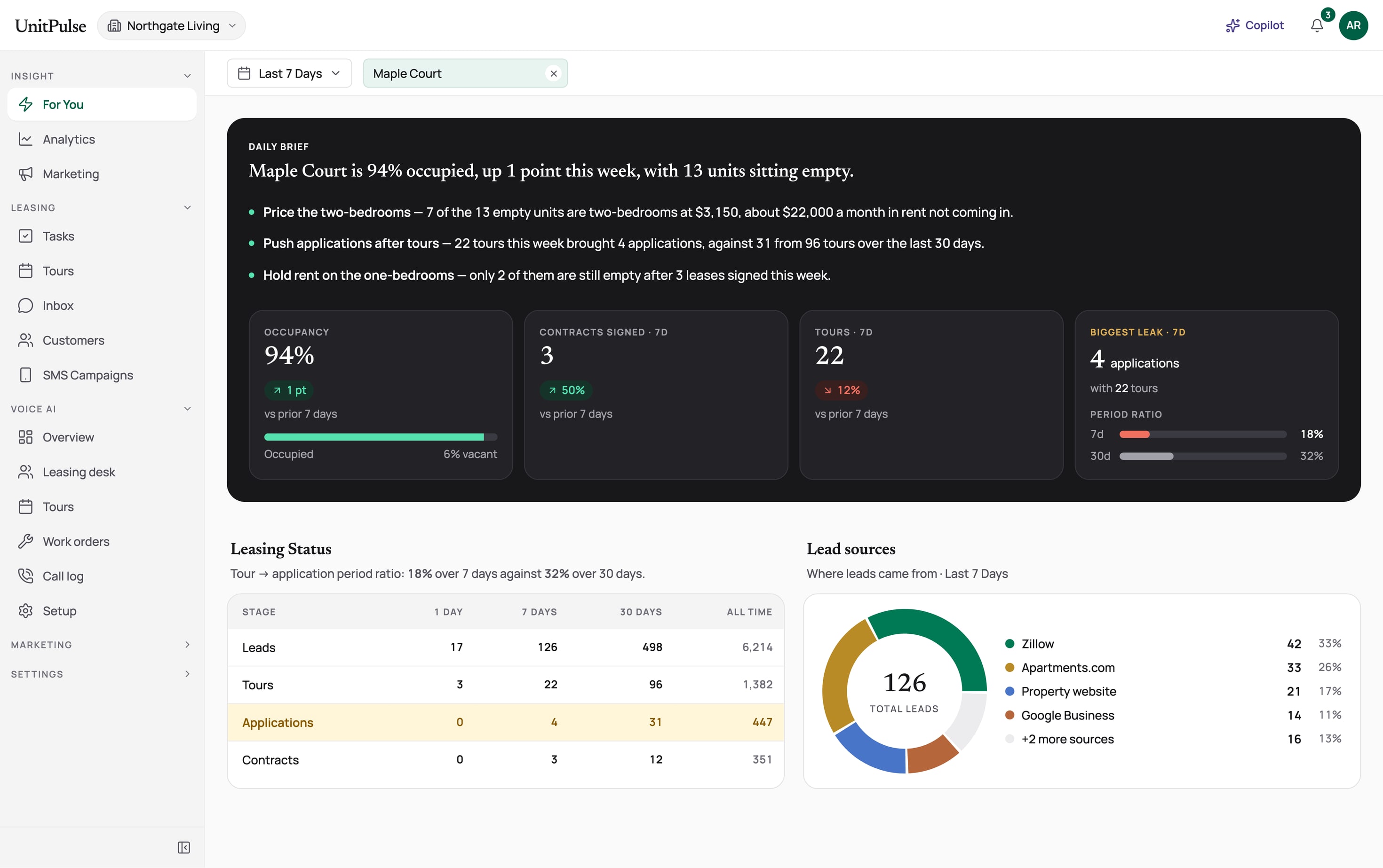
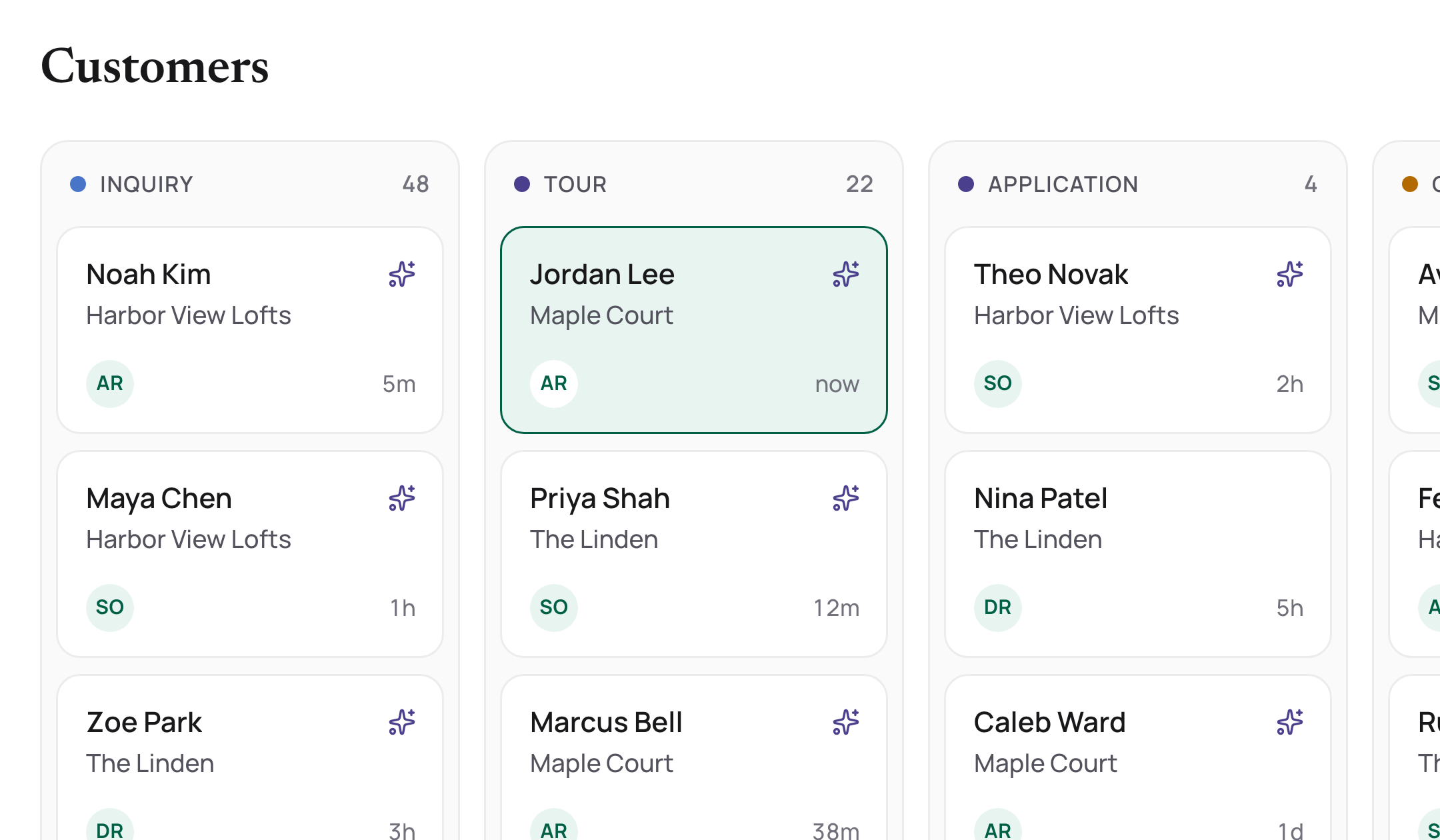
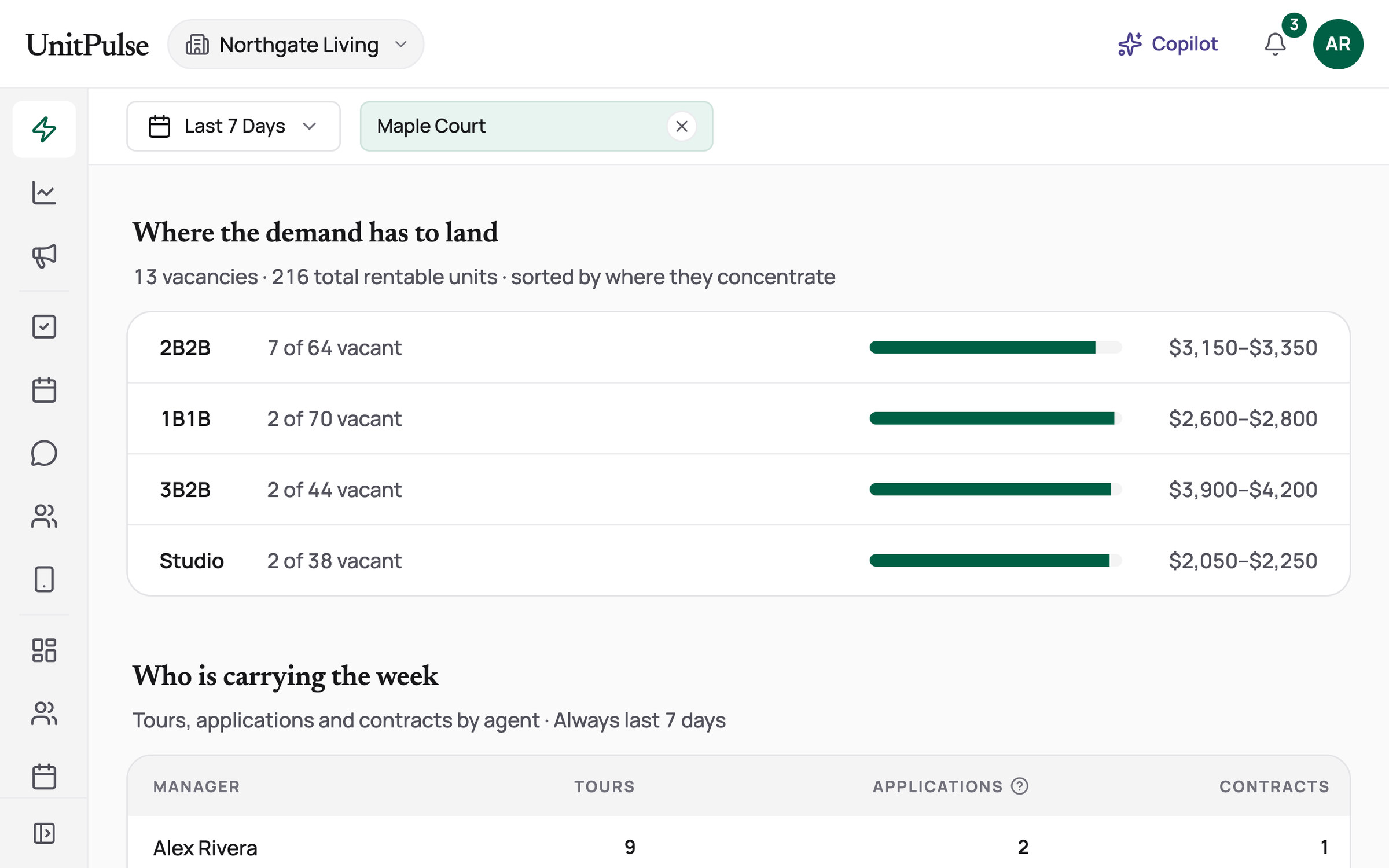
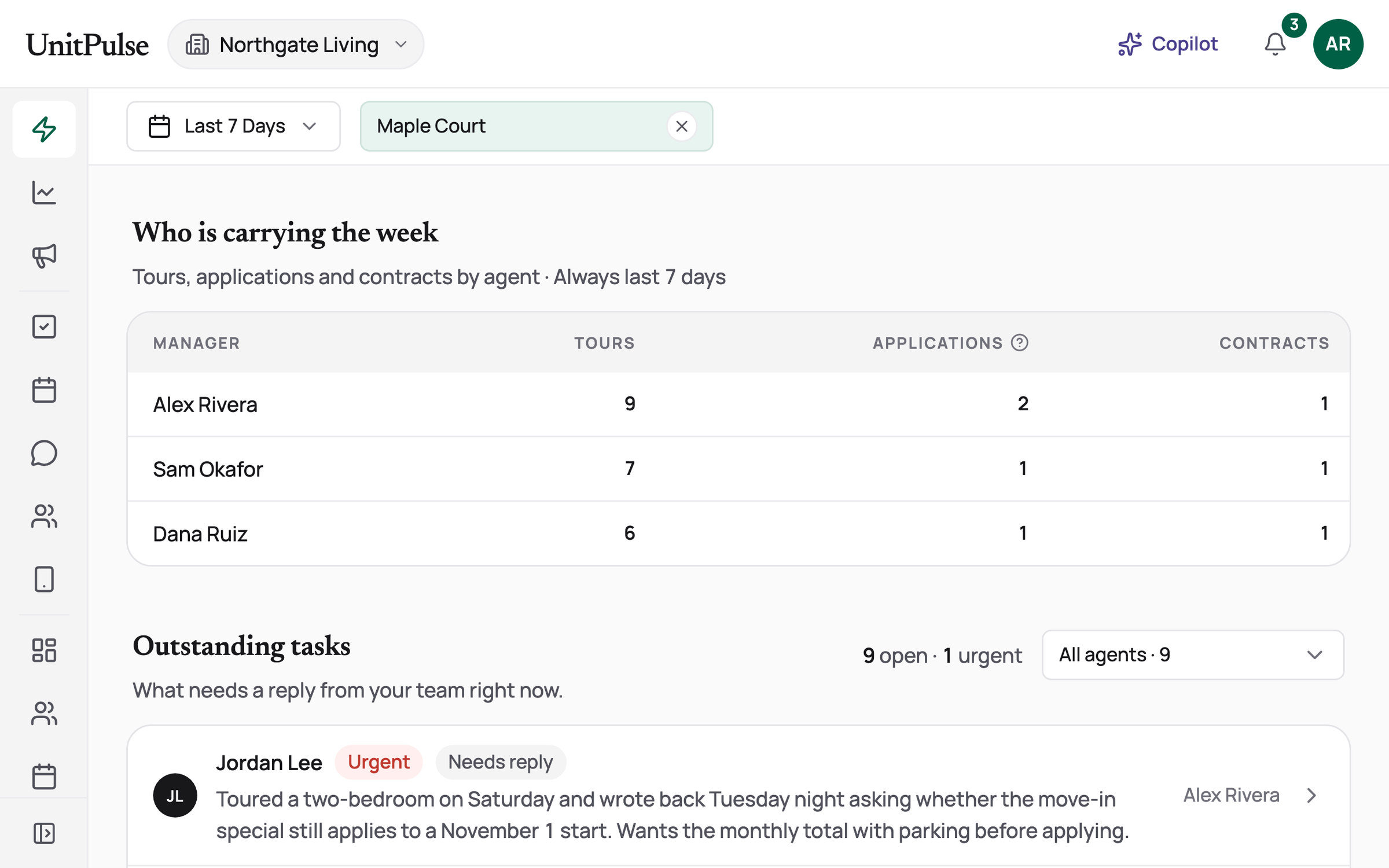
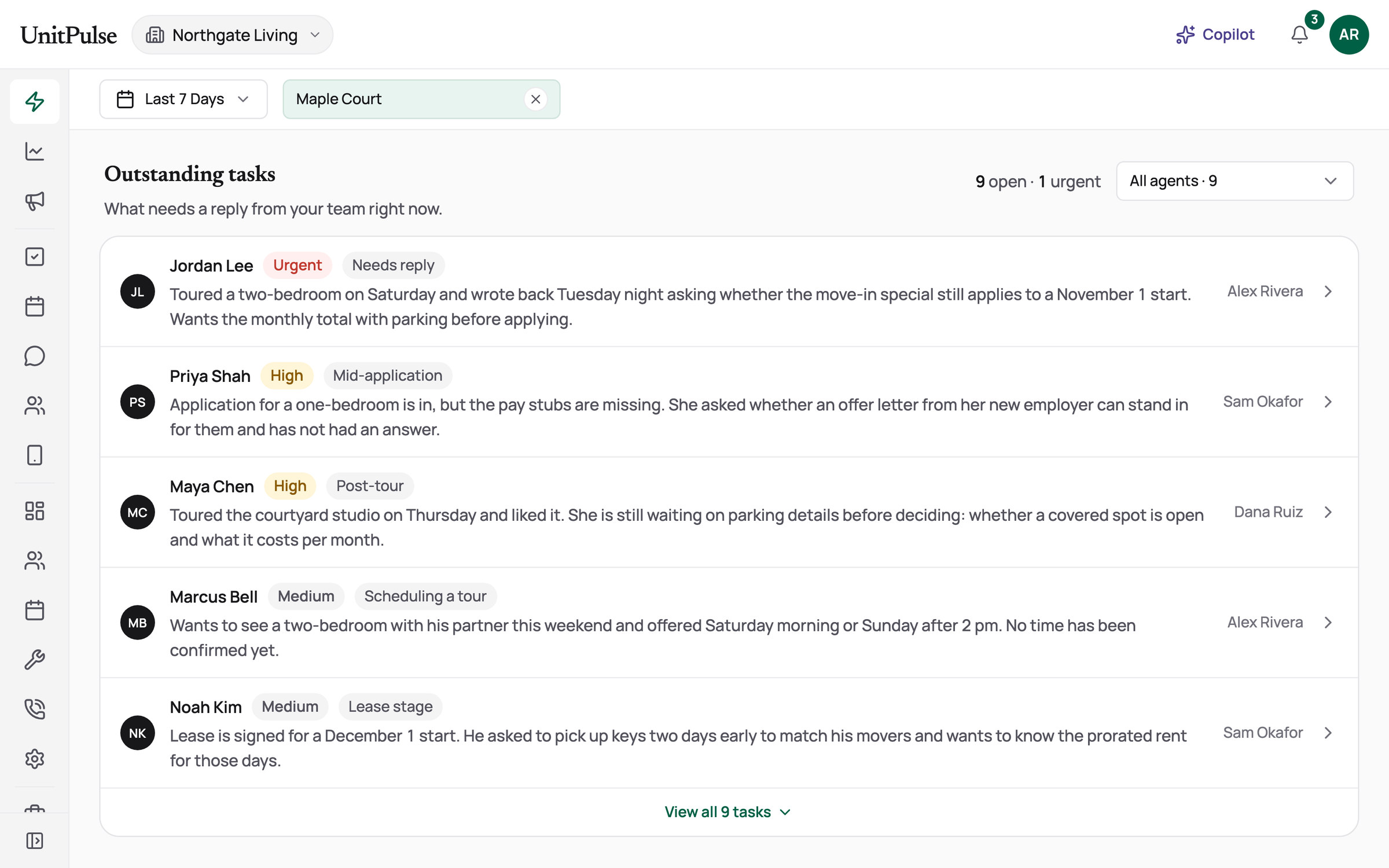
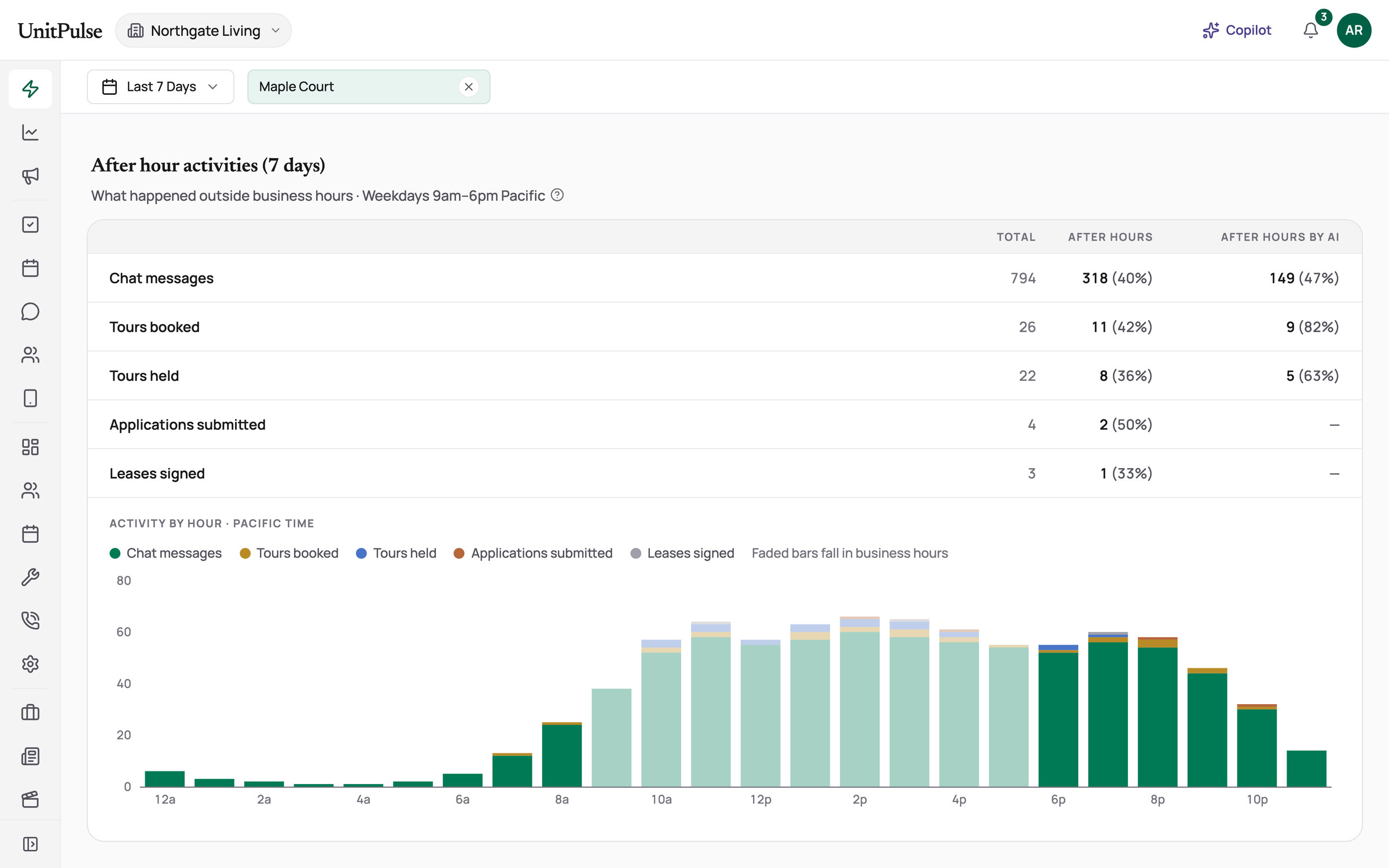
UP Insight closes the loop for owners who aren’t analysts: the full funnel, per-prospect attribution, AI alerts, and a plain-language Data Copilot. Attribution shows which segments and channels actually sign leases, which then steers what Marketing writes next.
3 products to one platform
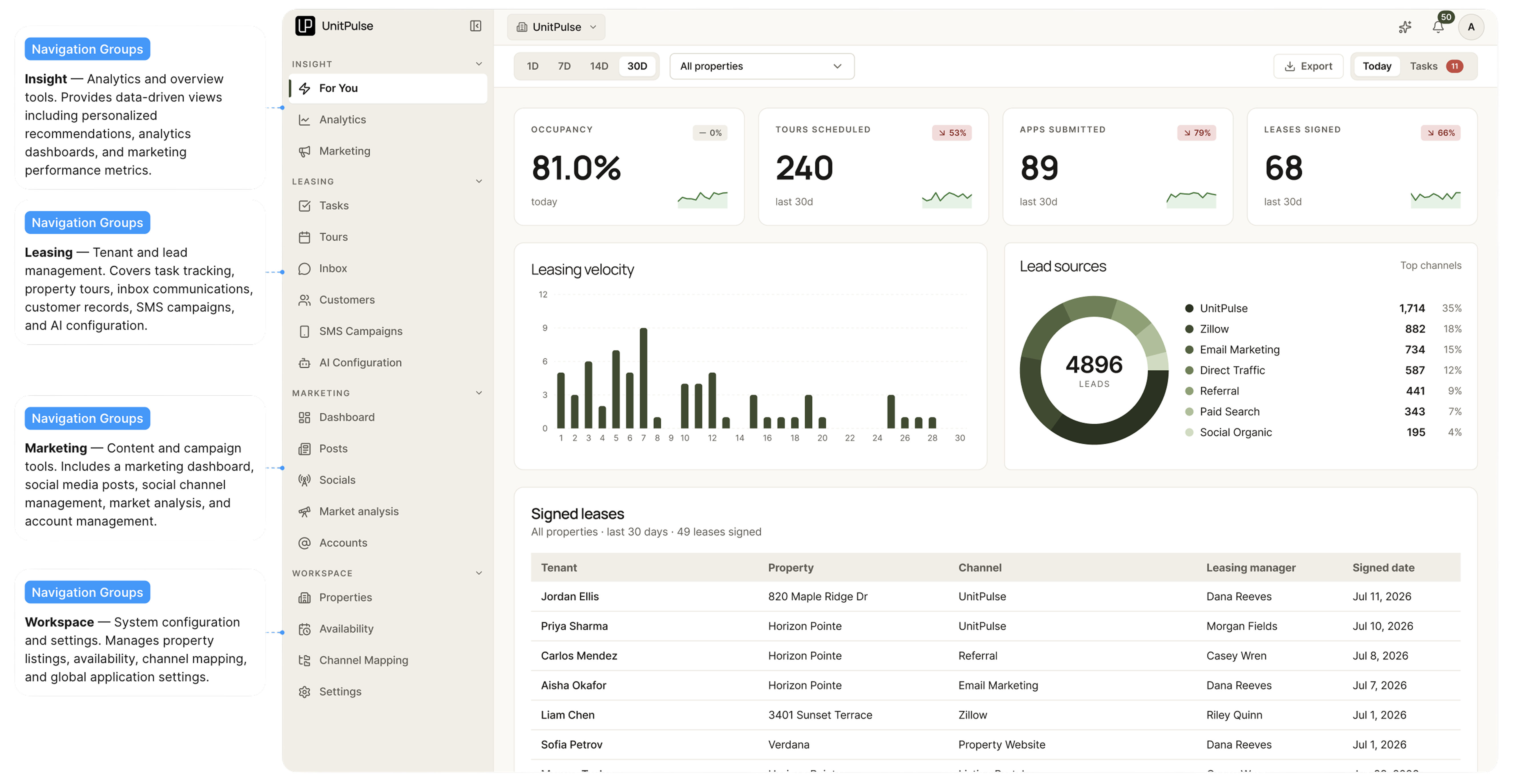
Customers came for Marketing, then asked us to run the whole journey. But the 3 products didn’t talk to each other — even though they consumed the same backend. 3 logins, 3 user-management systems, no shared front door for the AI. So we merged them behind one login and one design system, with the Copilot as the shared command layer — and rebuilt the IA so each persona sees what’s theirs without wading through everyone else’s. A phased merge, not a rewrite.
What made the merge safe
-
One design language
Canonical primitives replaced each app's local variants, so the merged UI stopped drifting.
-
Rules that keep it coherent
An anti-pattern rulebook that kills recurring UI bugs instead of re-fixing them.
-
A merge, not a rewrite
Namespaced routes and a phased cutover. The legacy apps kept shipping, so customers never hit a cliff.
I led the UX layer and the design-system primitives; the absorption architecture was a shared effort with engineering. It’s built and merged today, but not yet cut over.
The design system
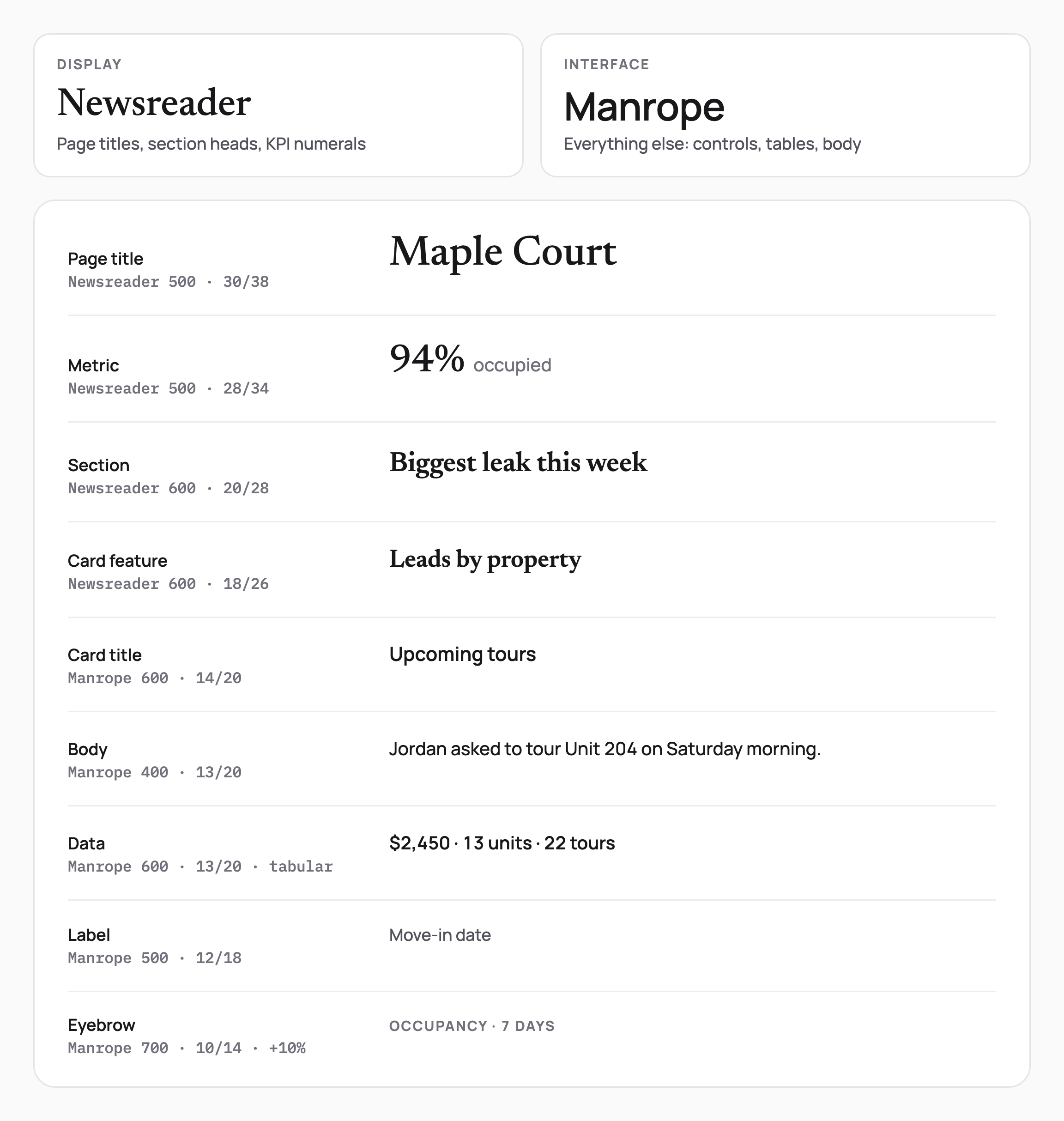
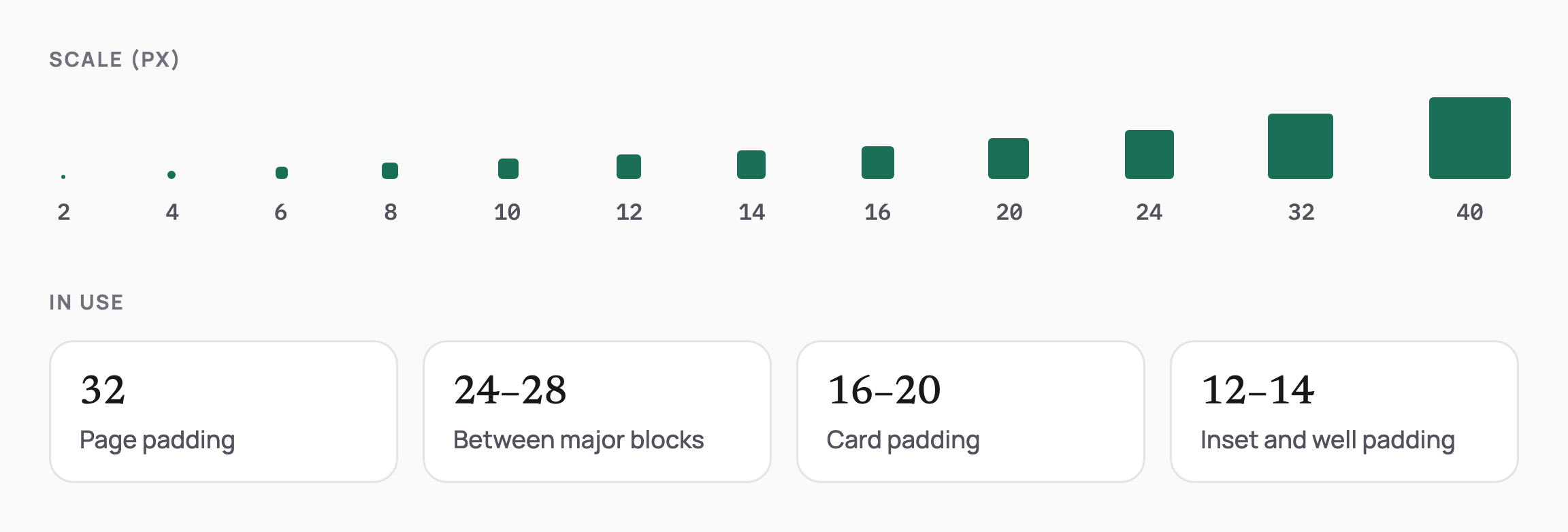
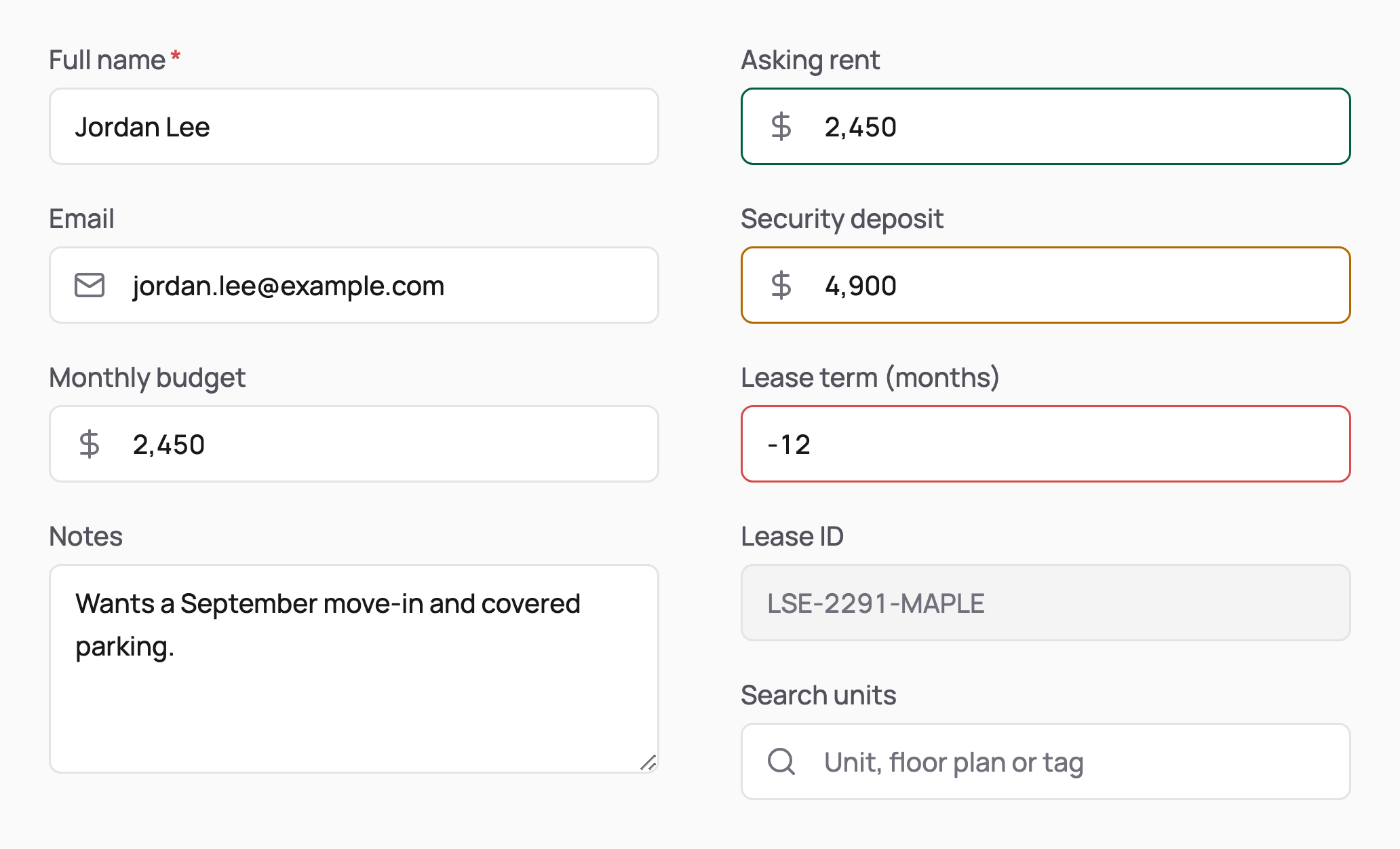
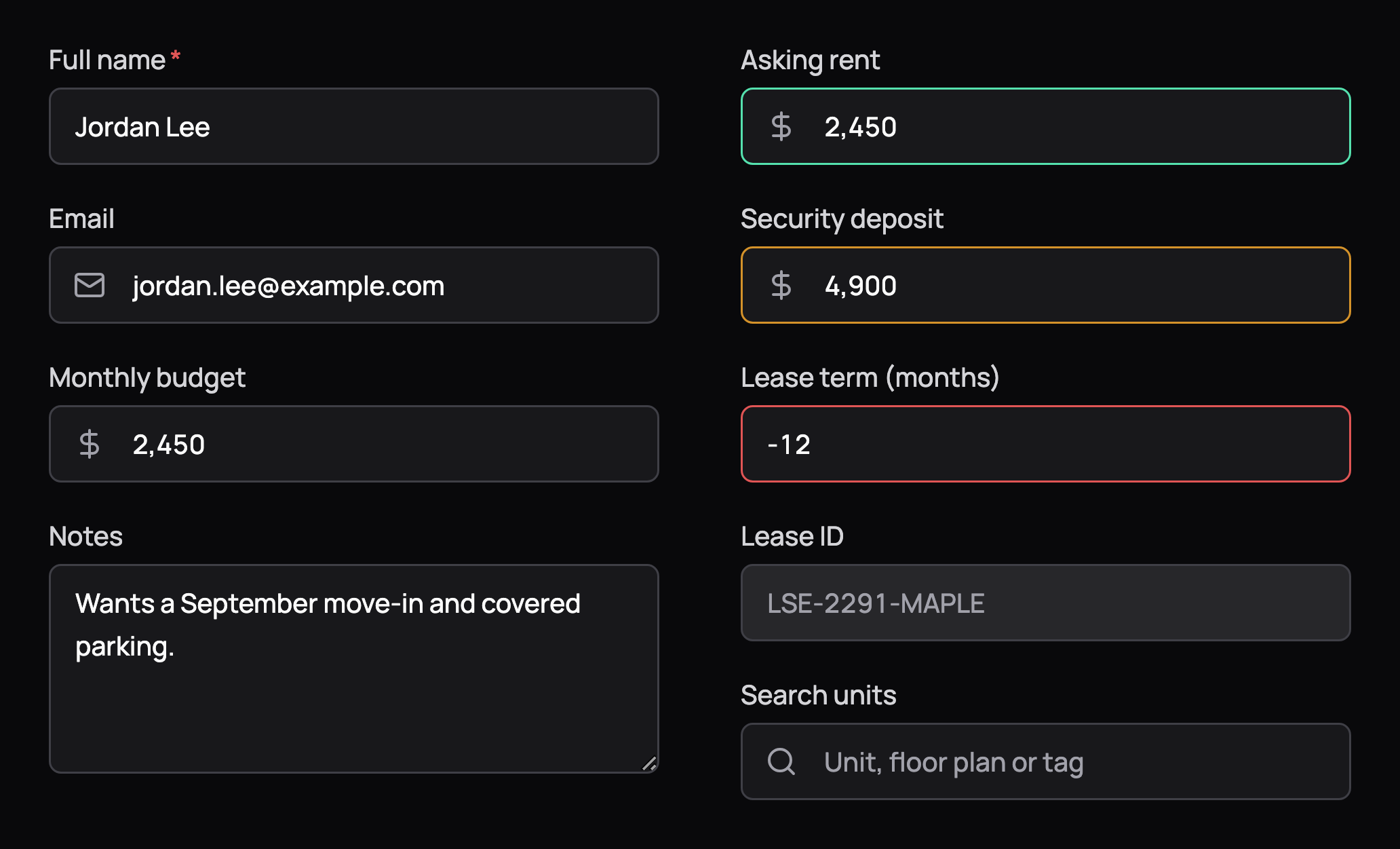
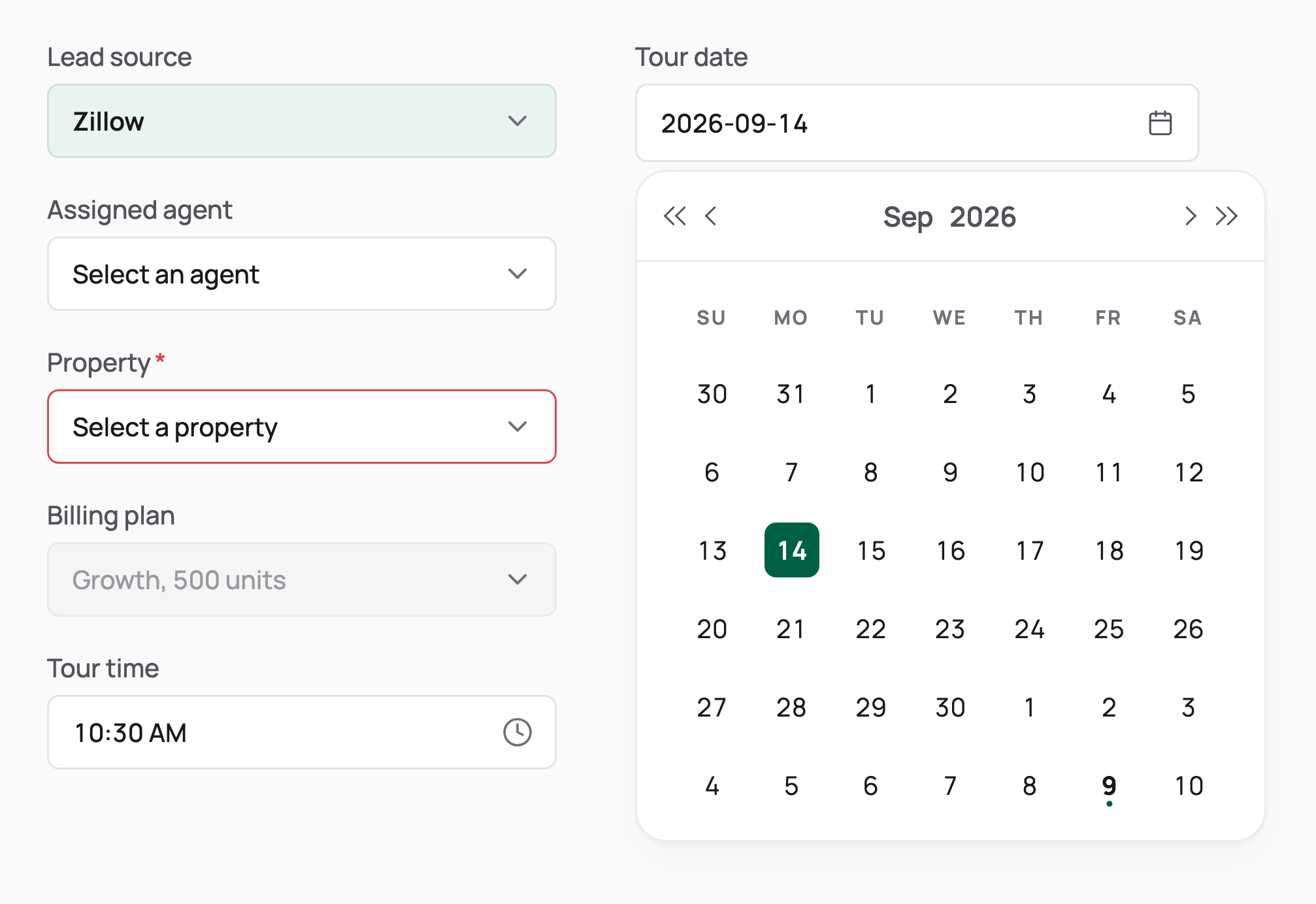
The 3 products were built fast, with AI writing Tailwind before AI was good at it — no maintained library, every screen its own local dialect, debt compounding quietly. Consolidating that was the real job: define the language once, build it as reusable components, then migrate the scattered UI onto it.
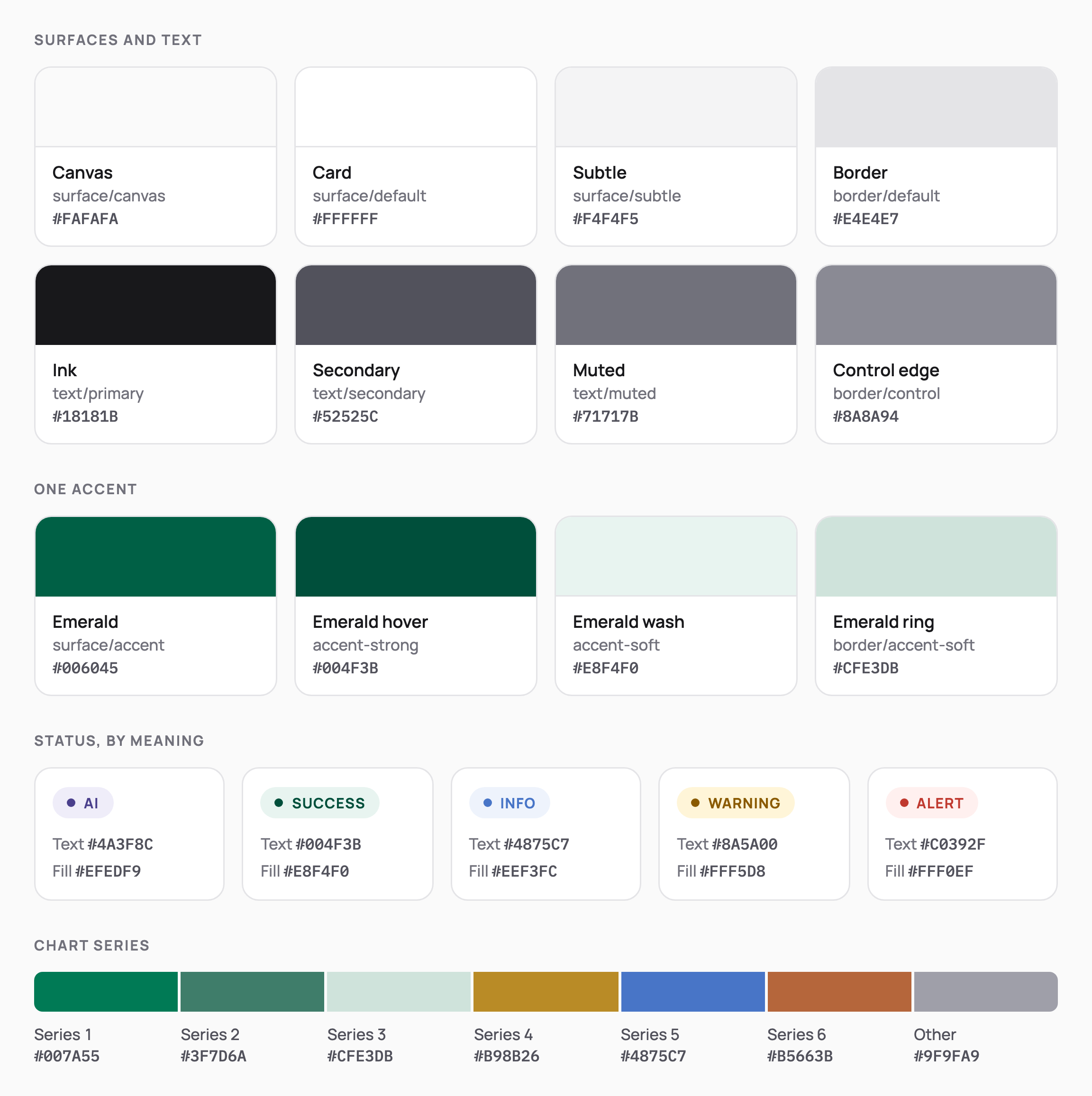
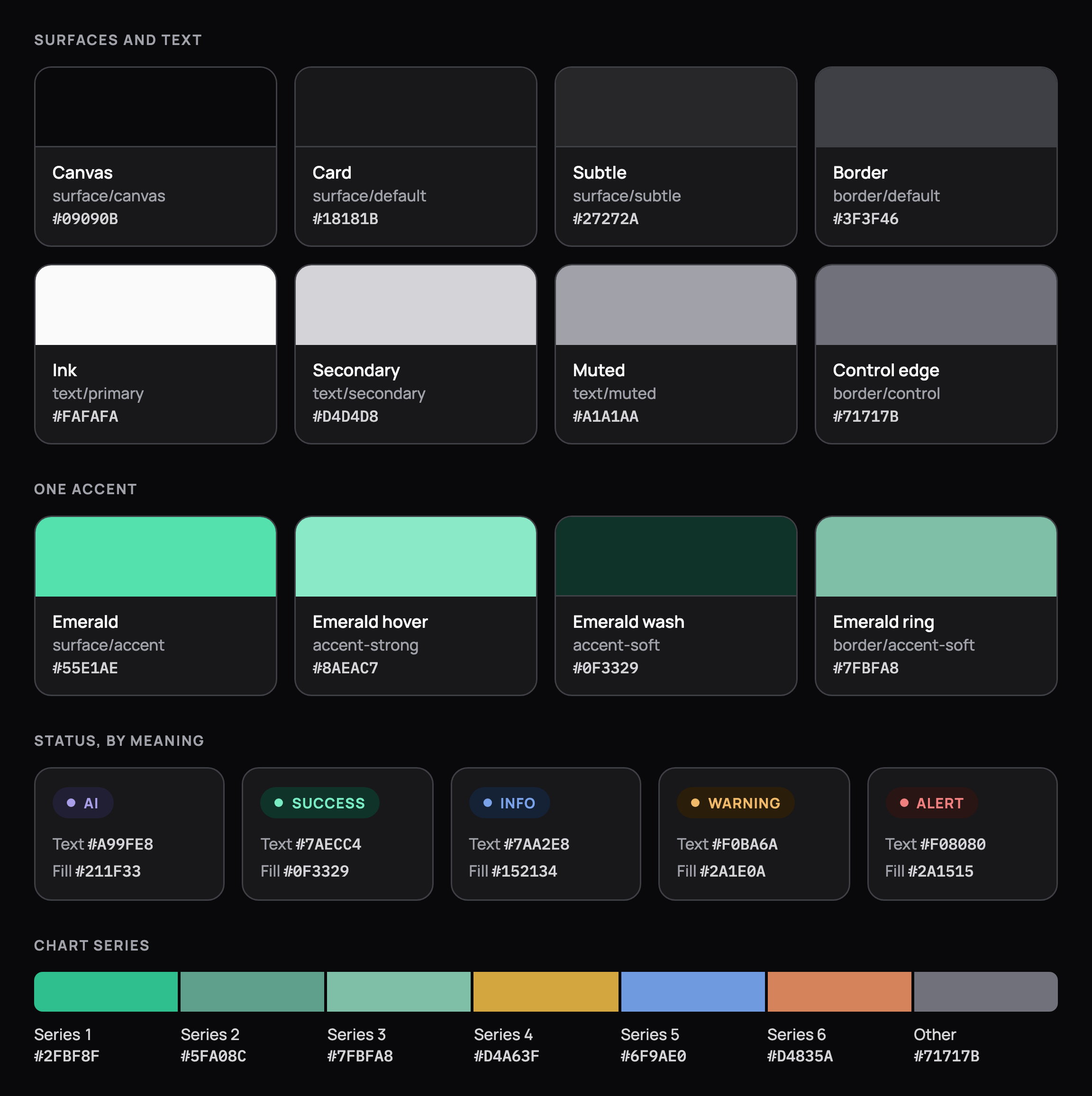
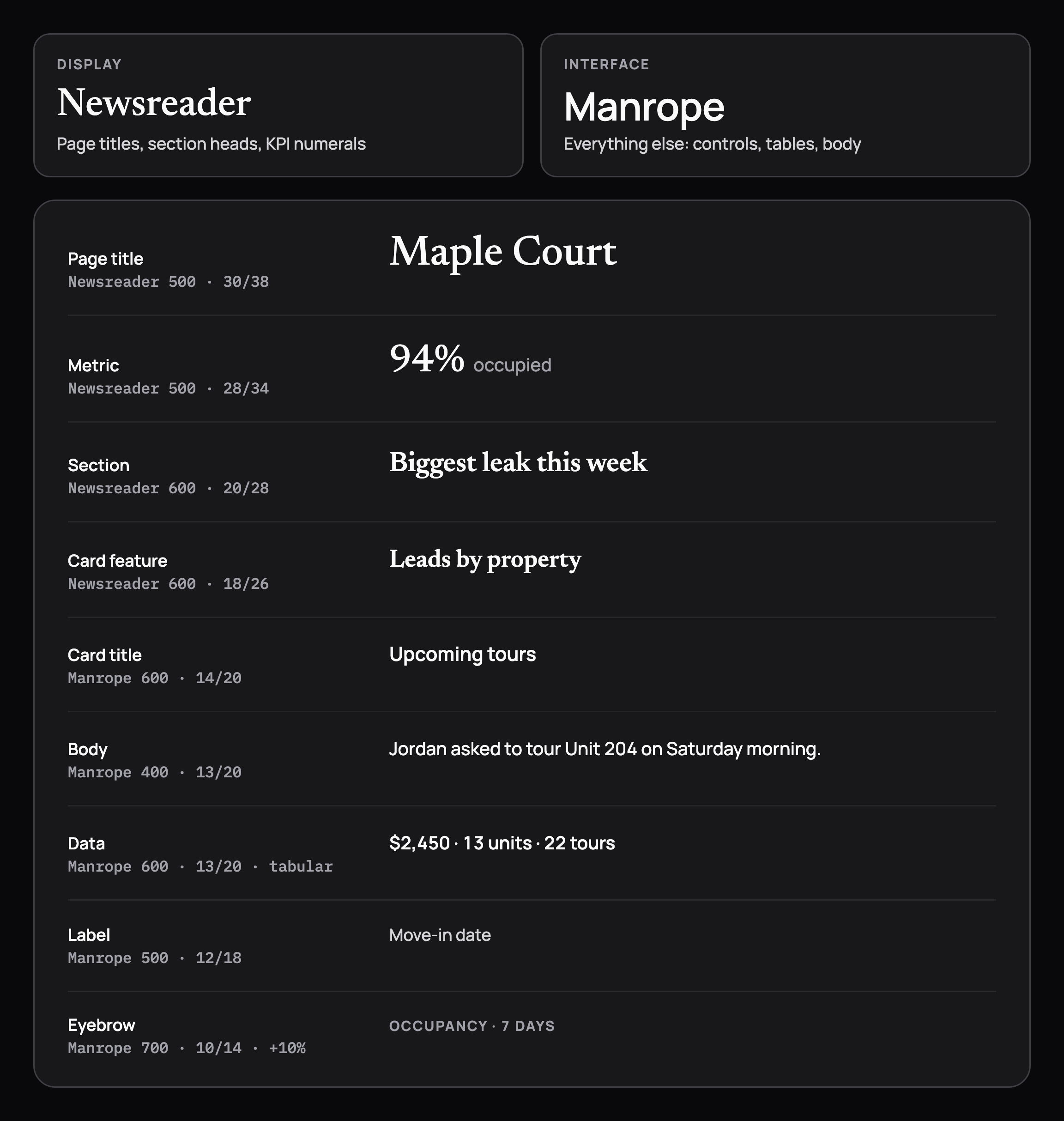
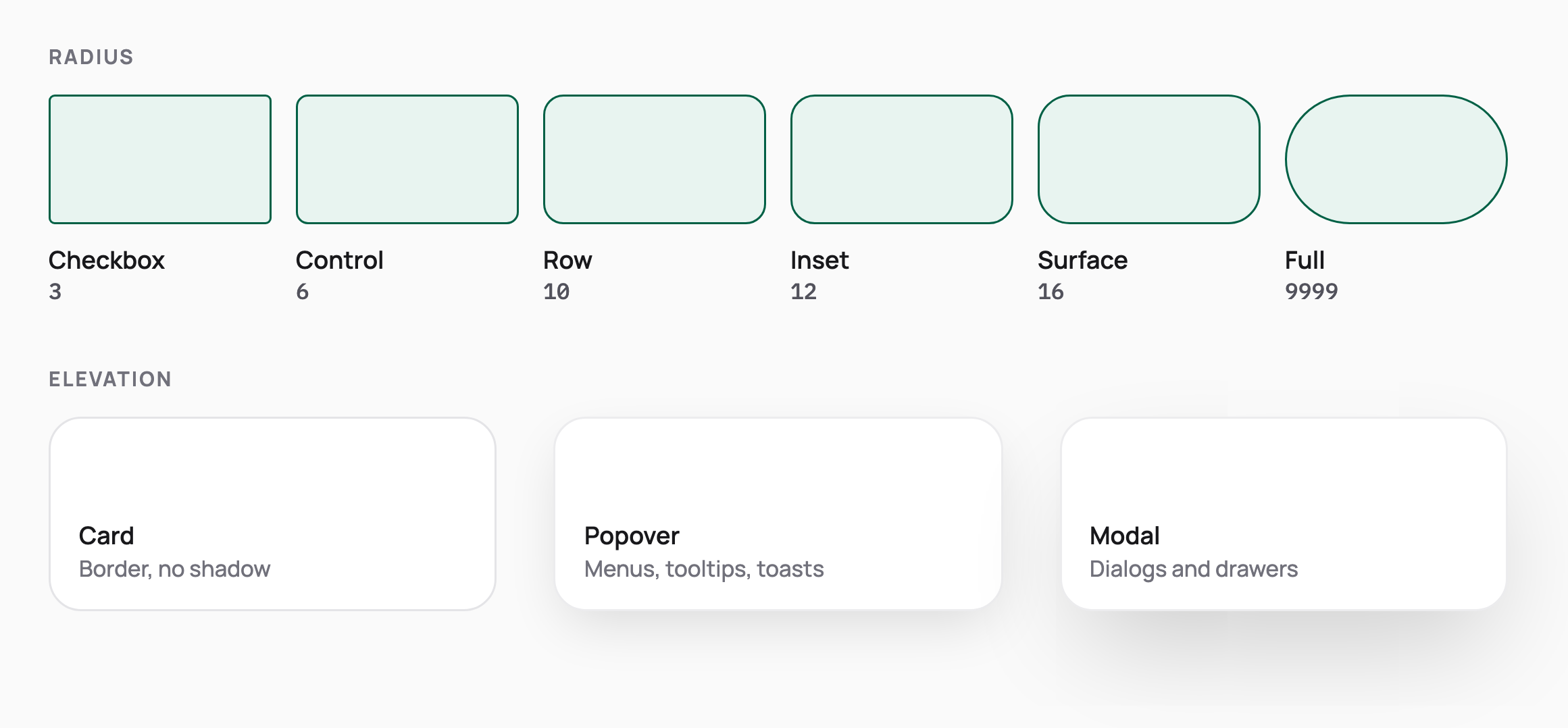
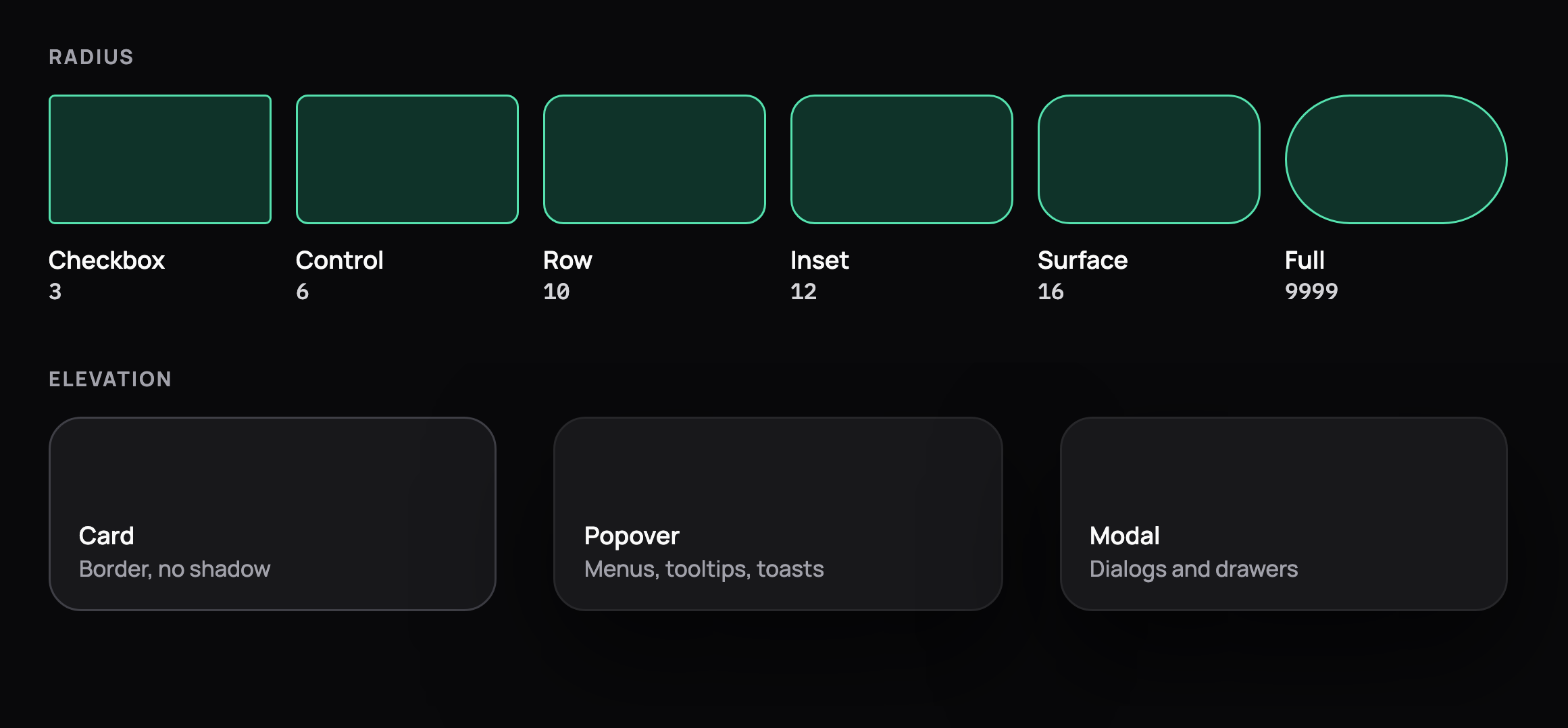
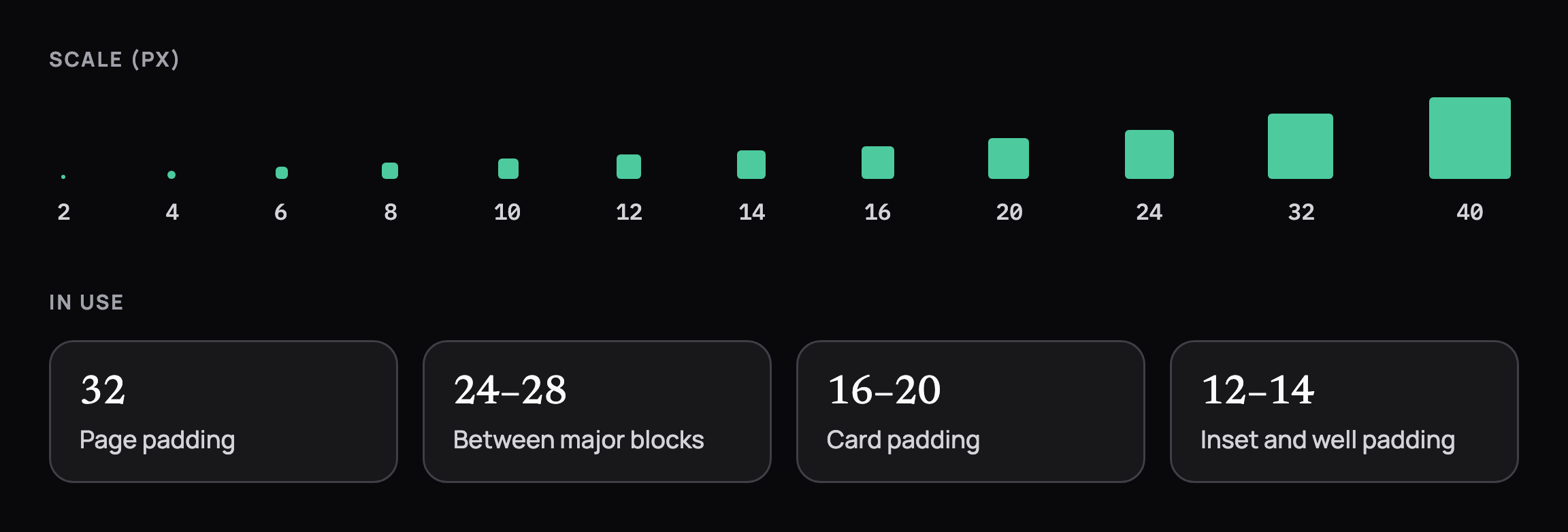
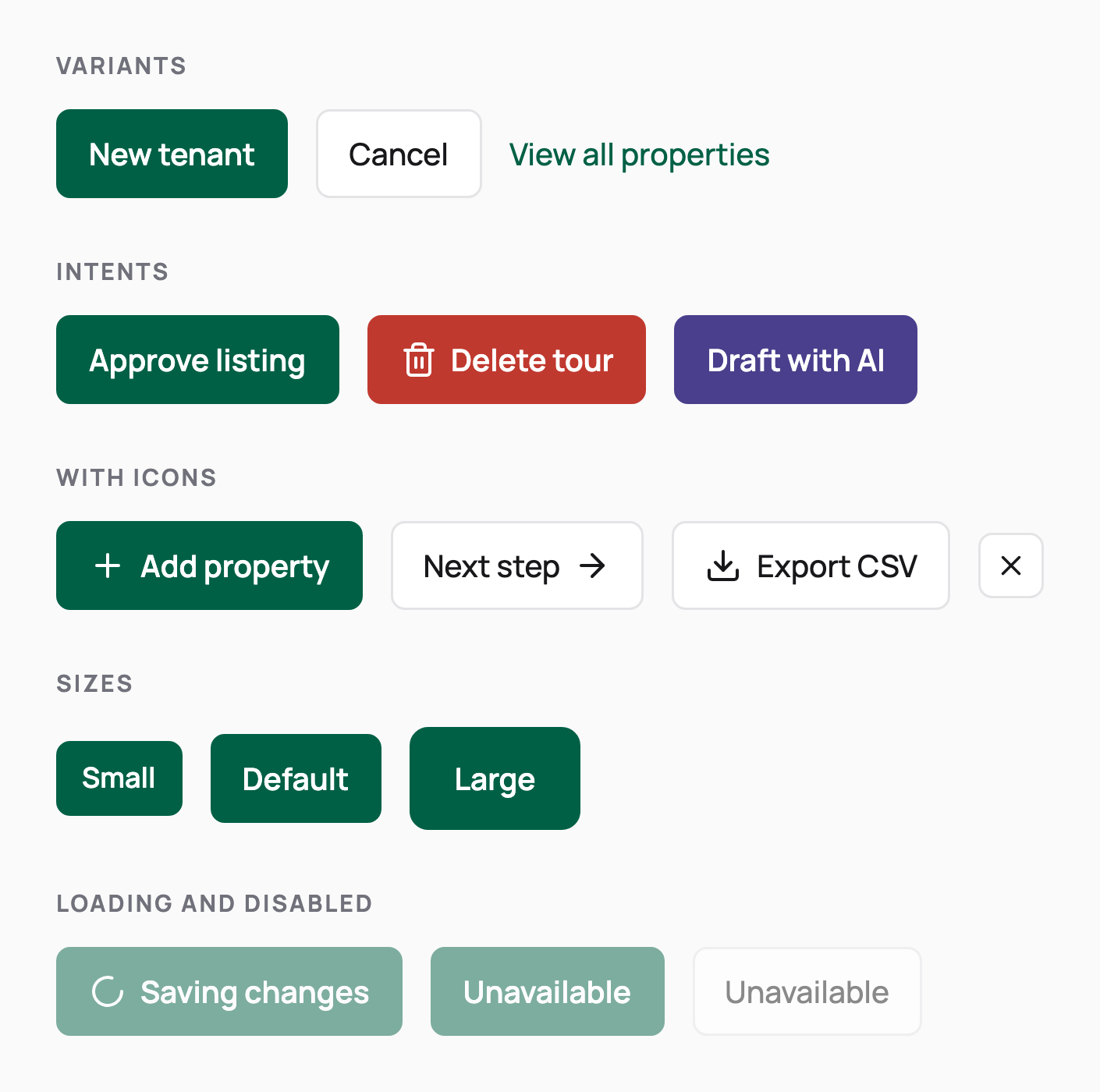
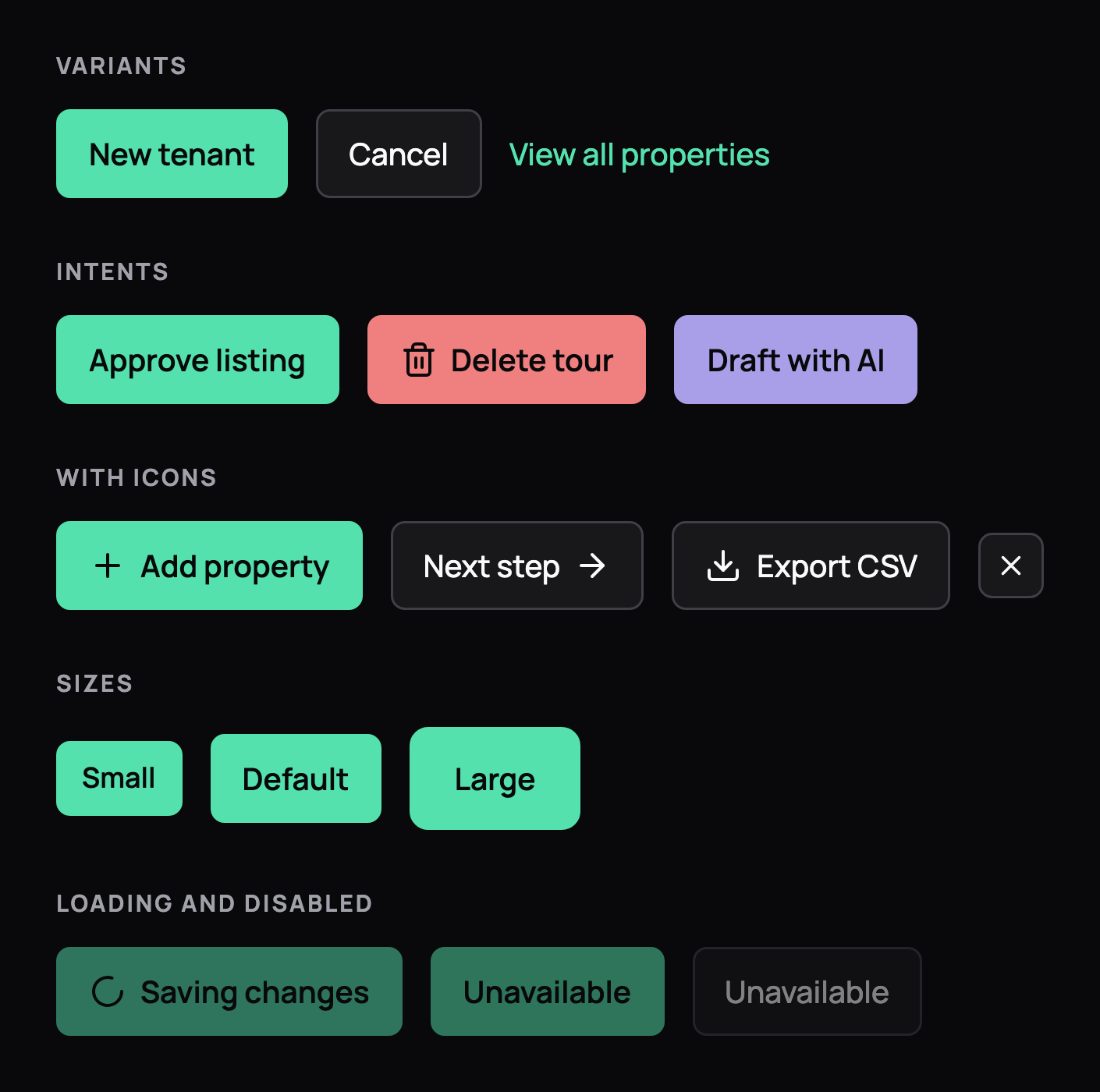
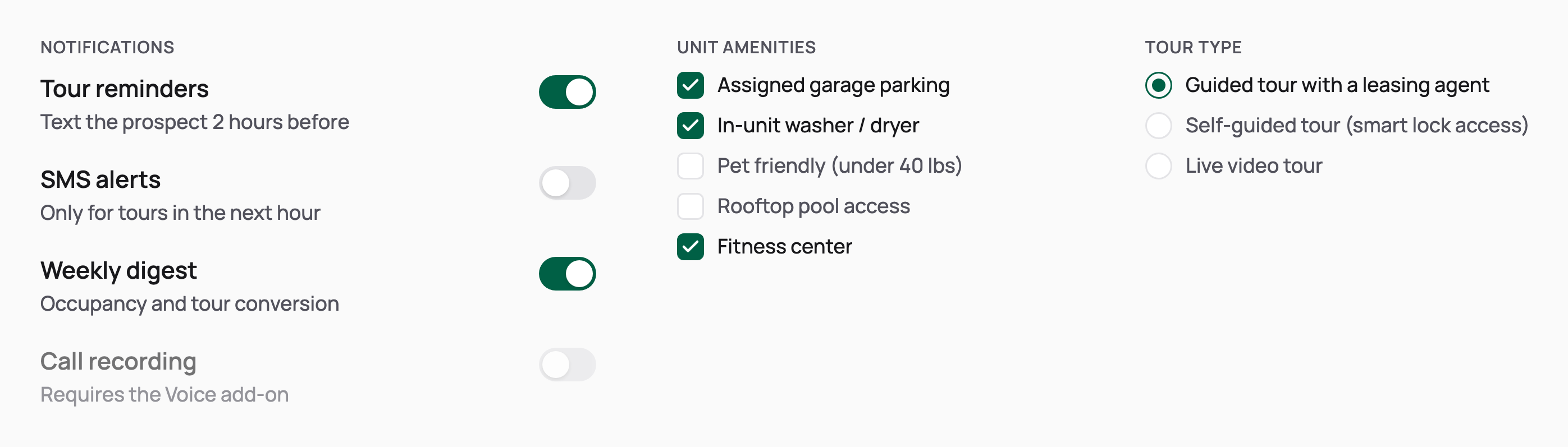
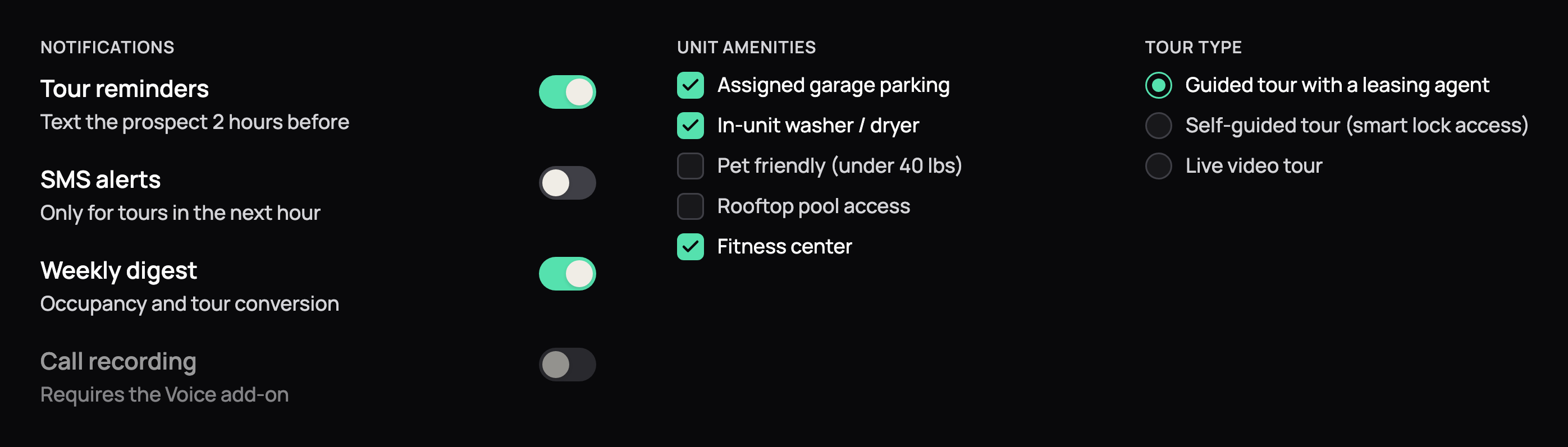
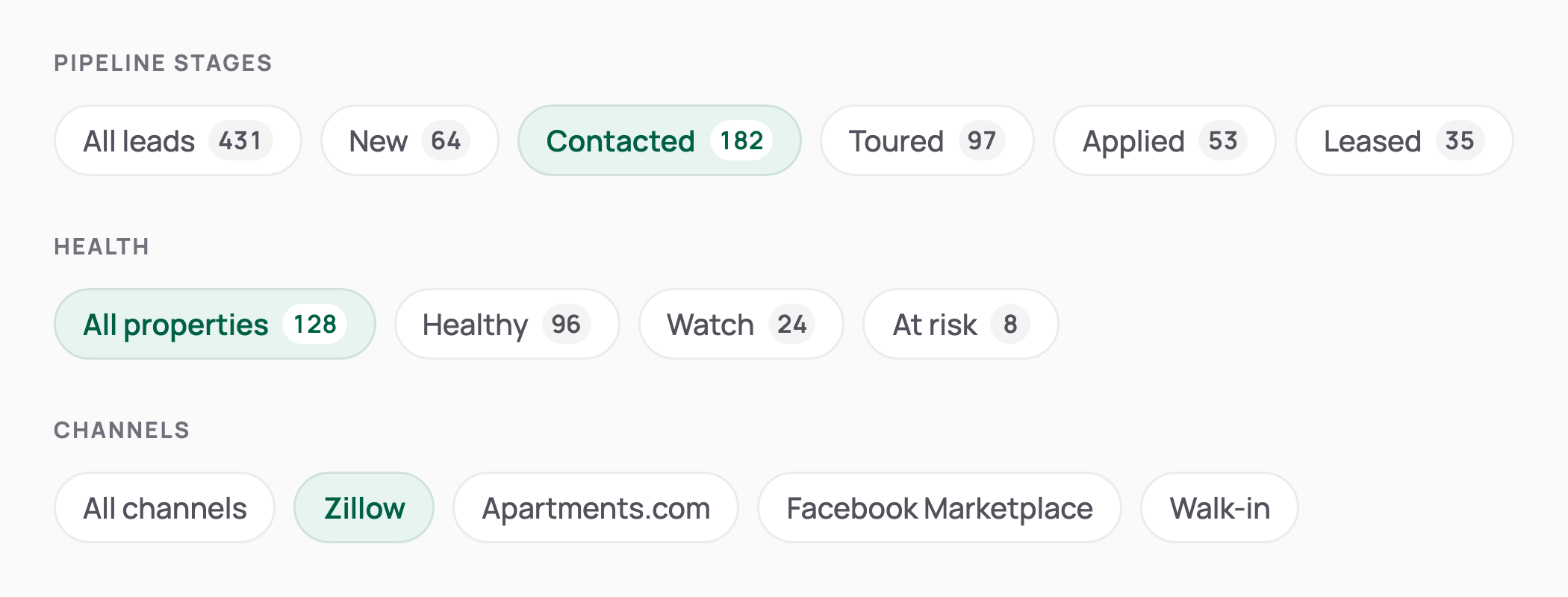
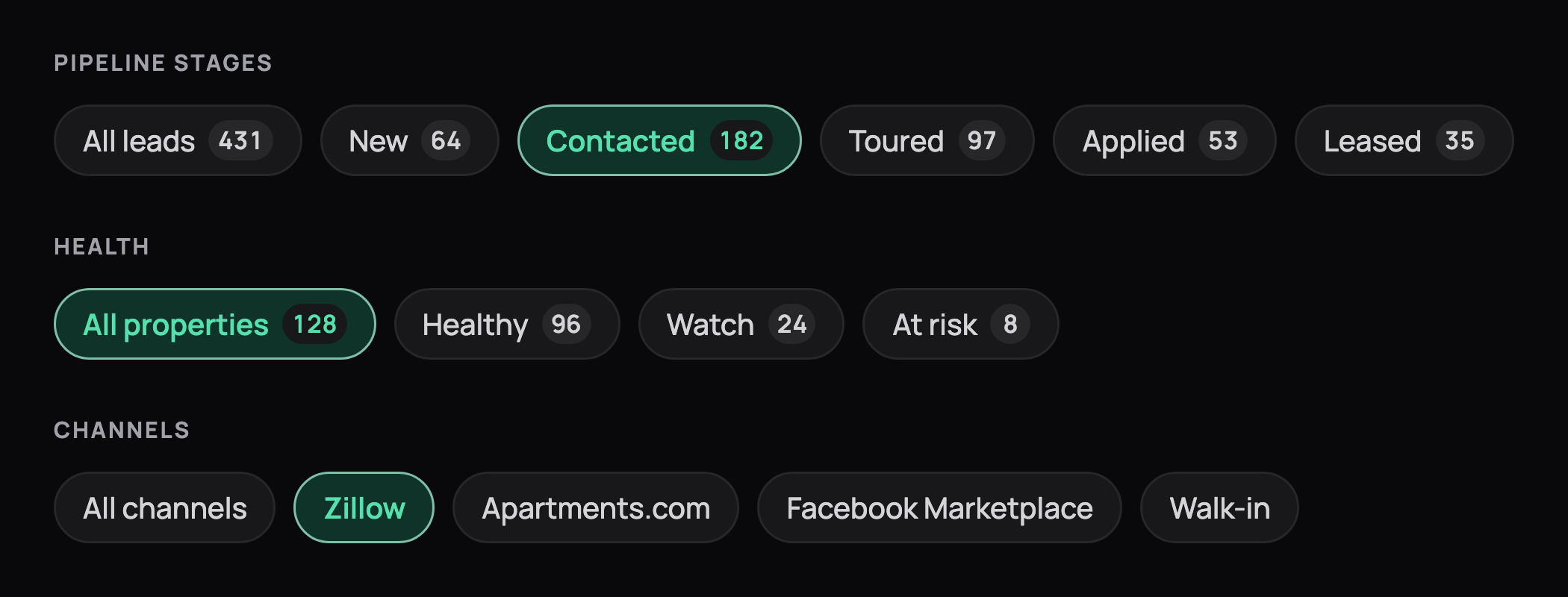
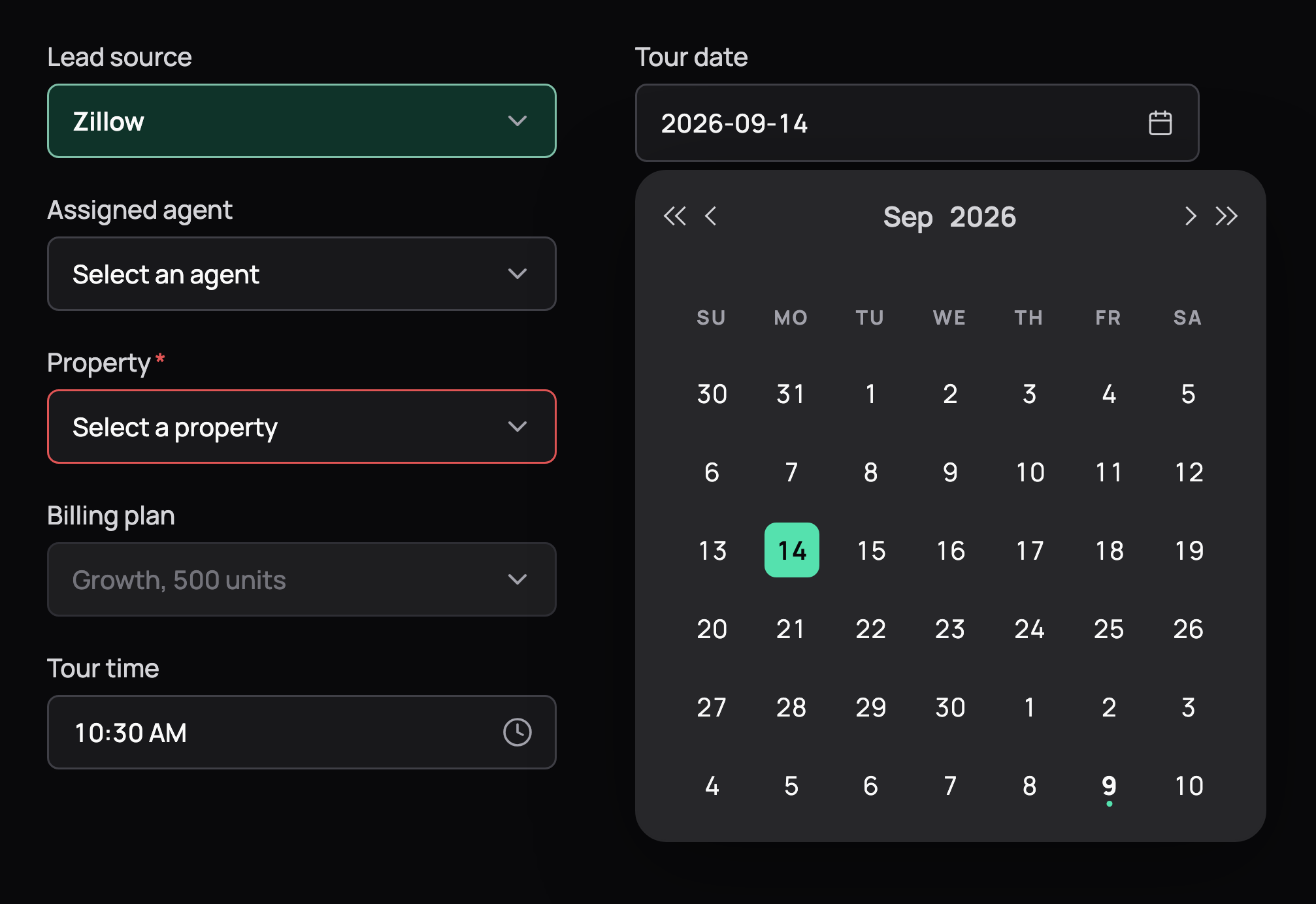
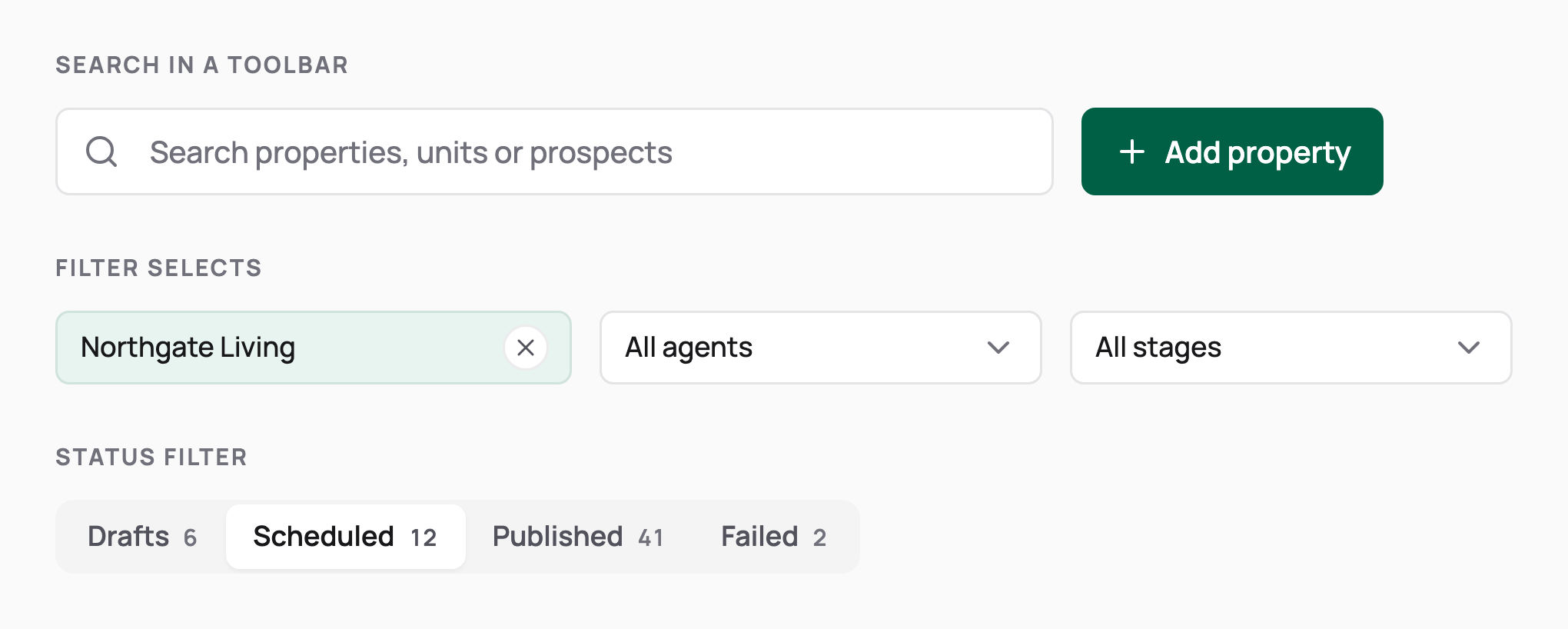
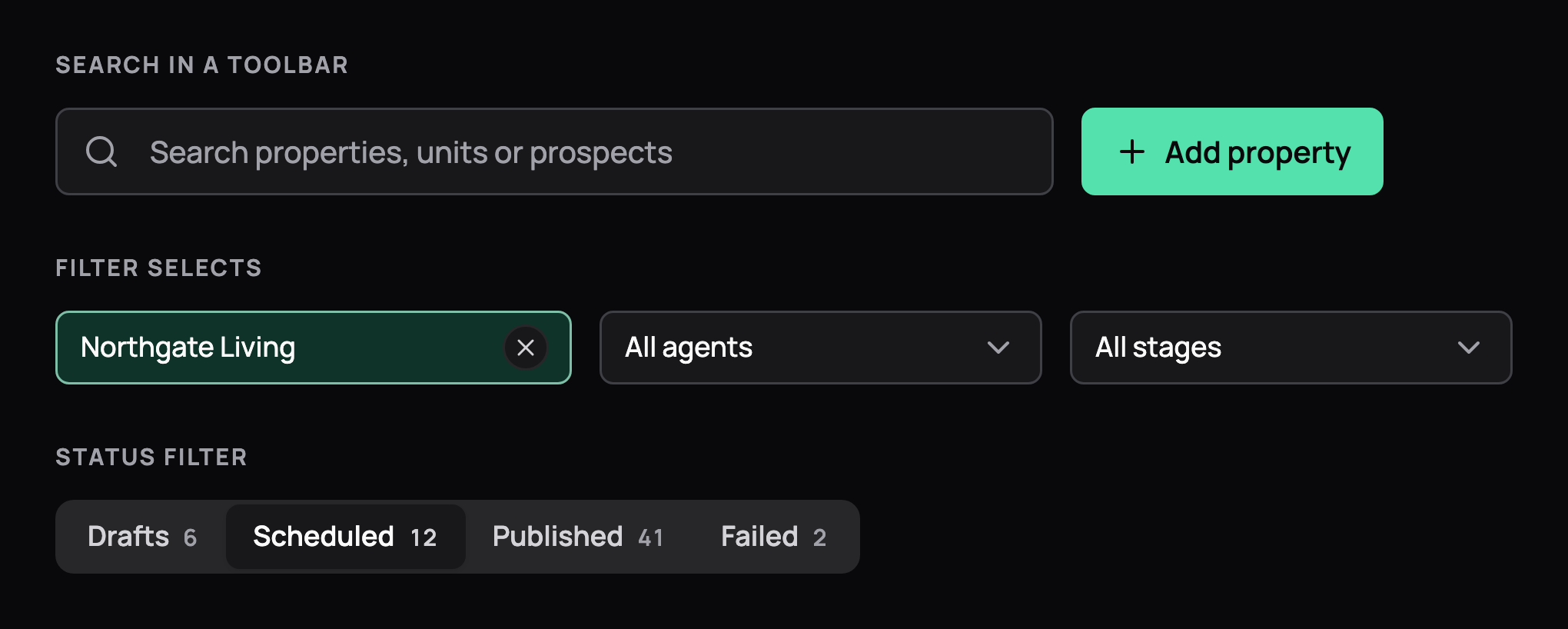
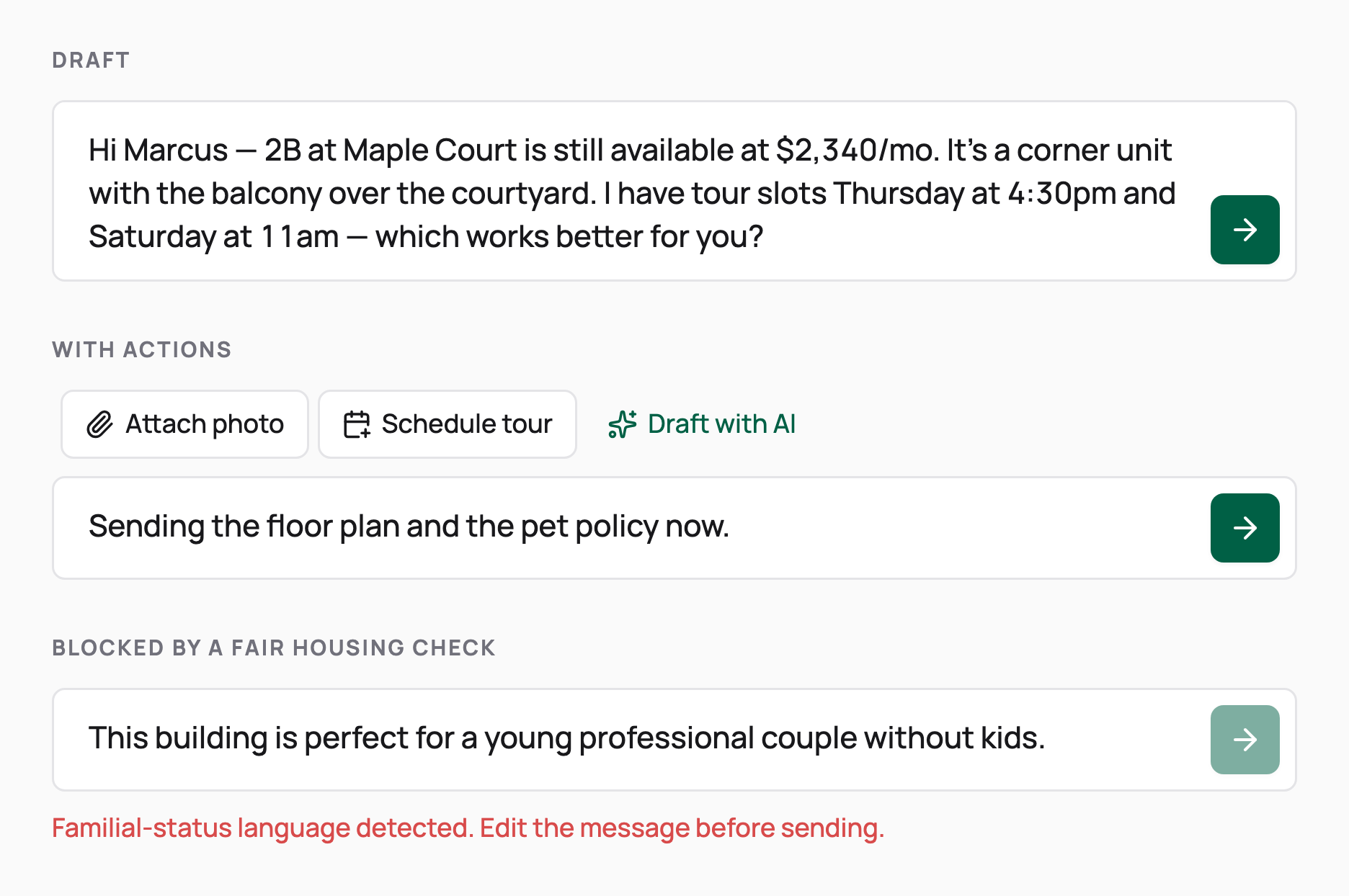
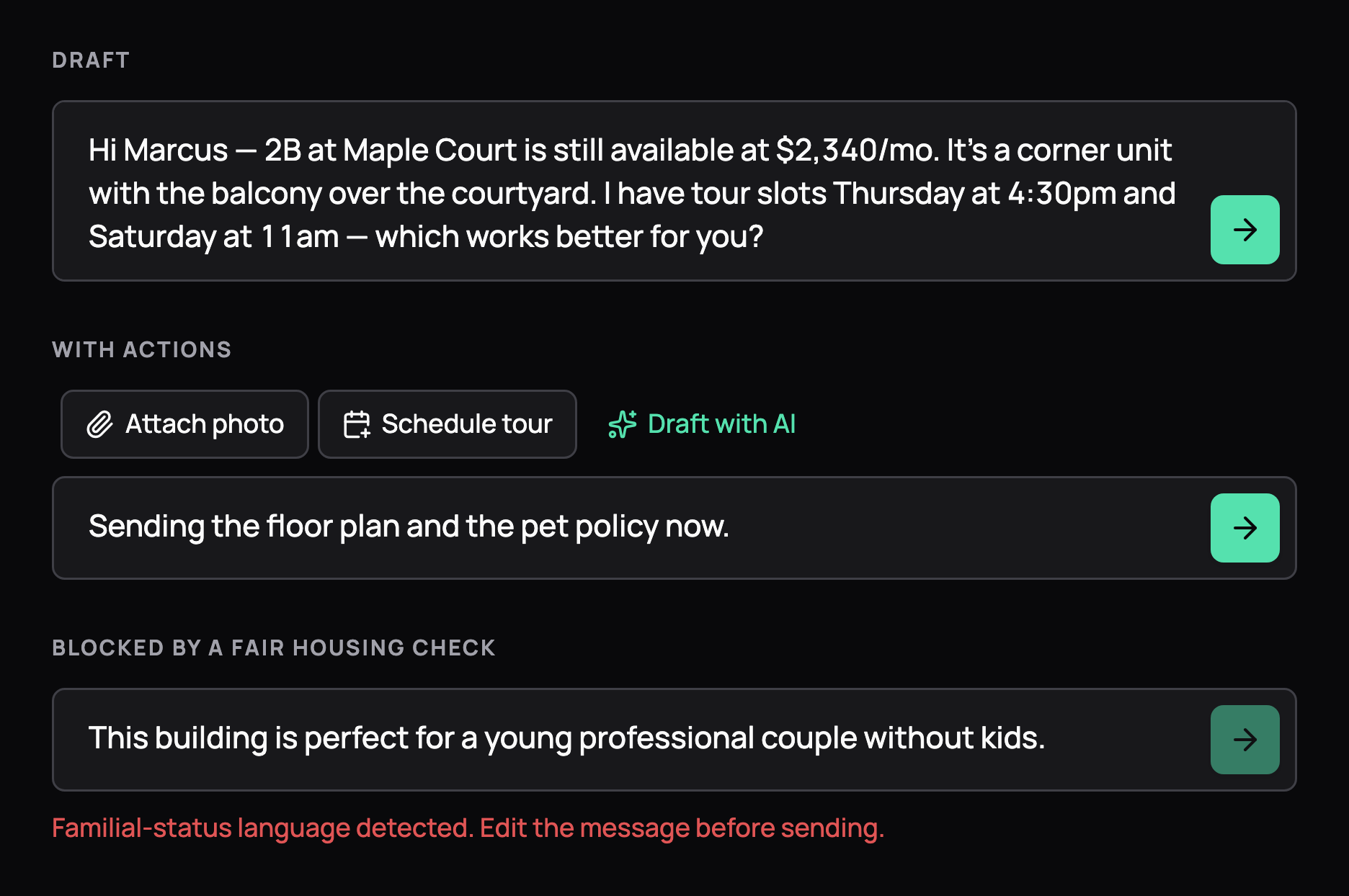
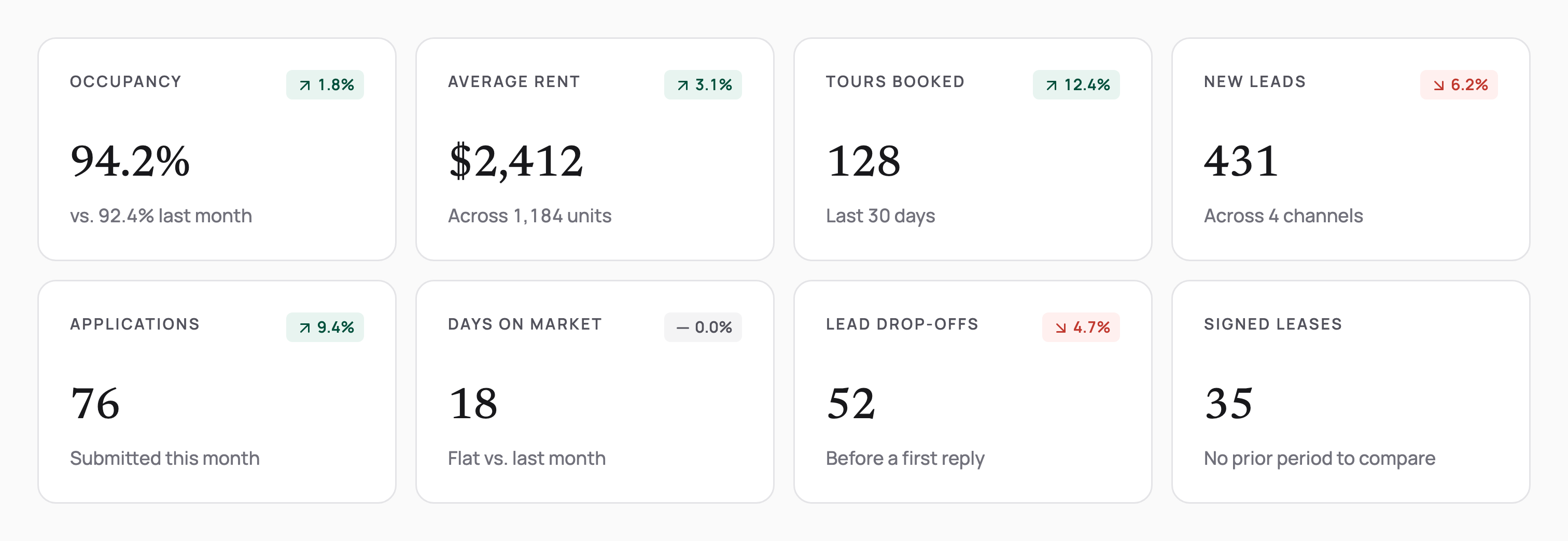
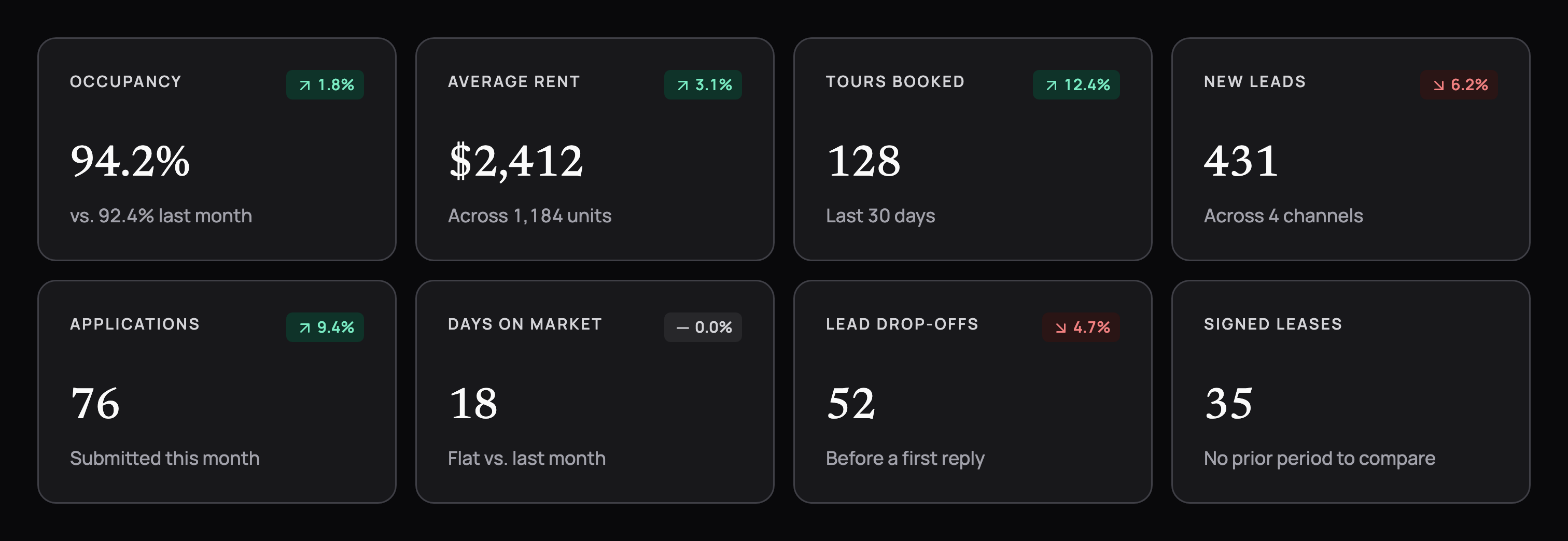
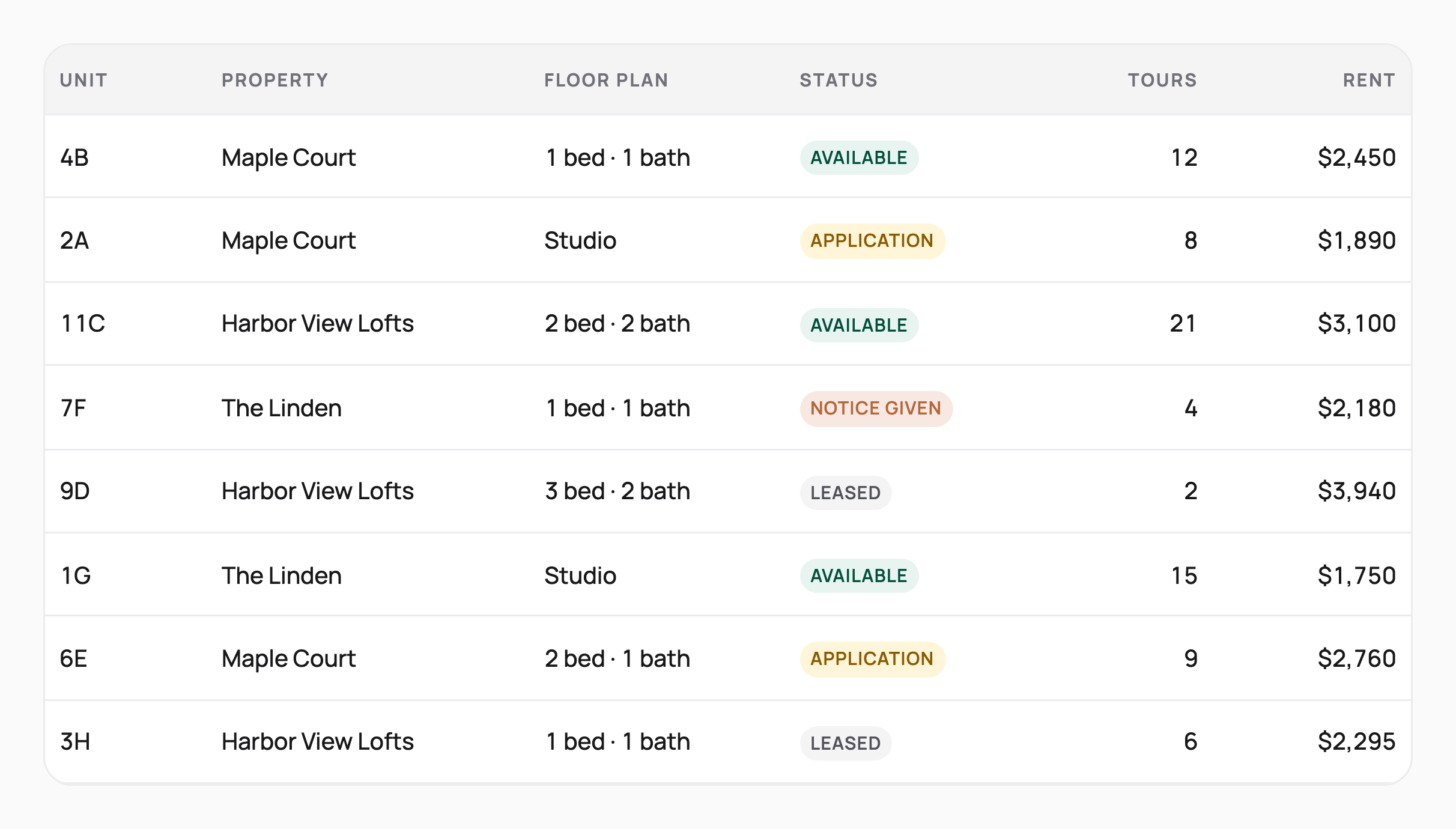
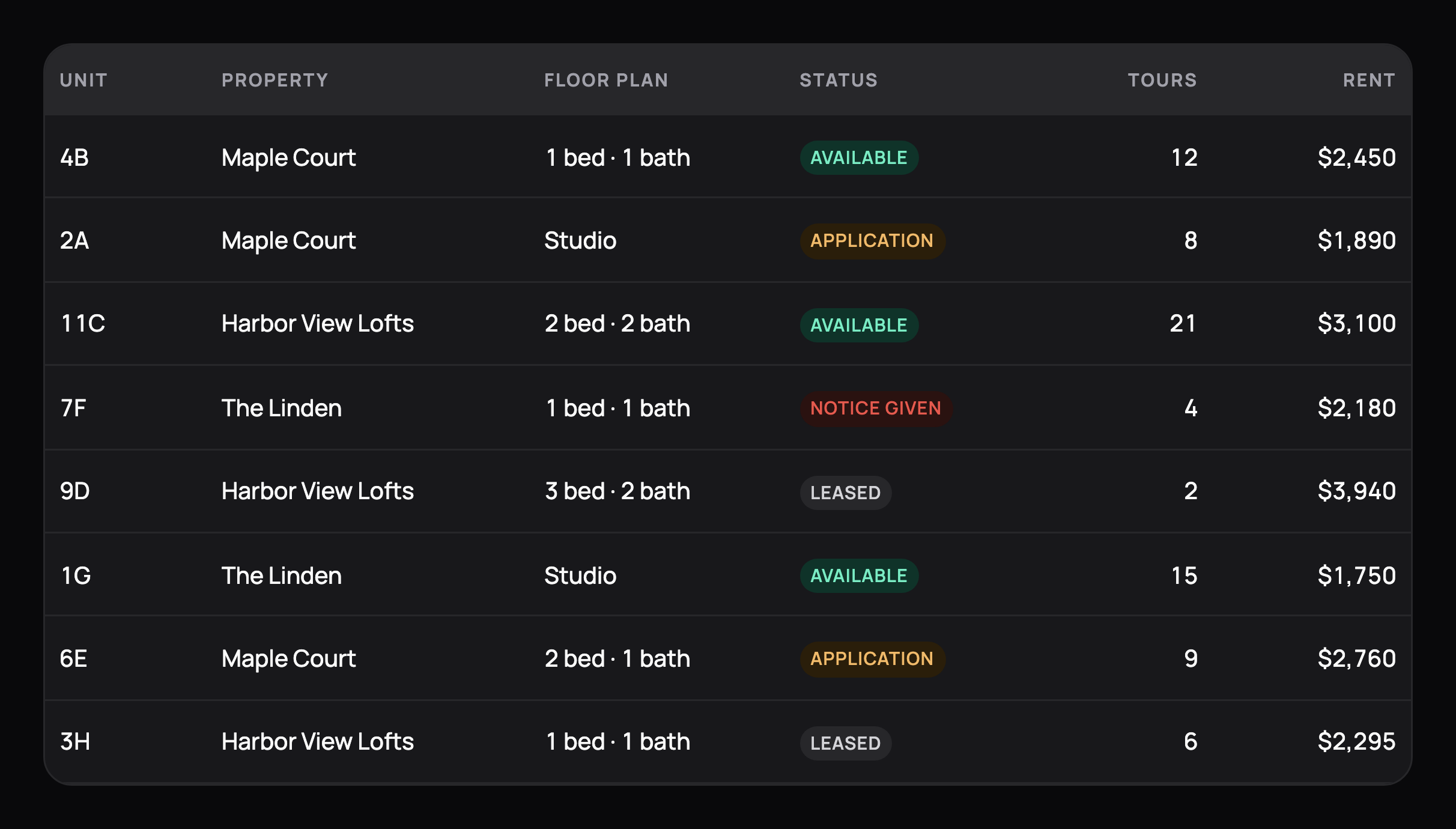
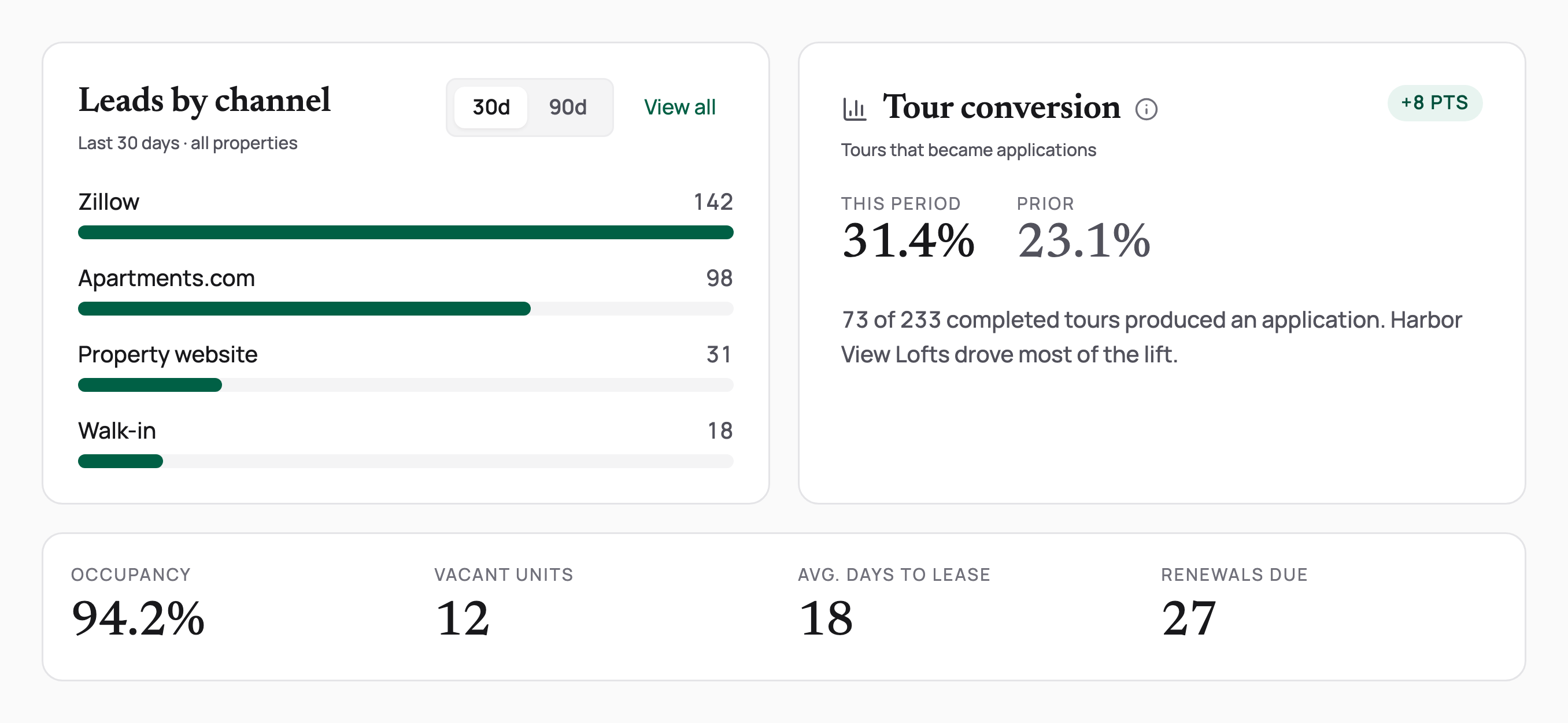
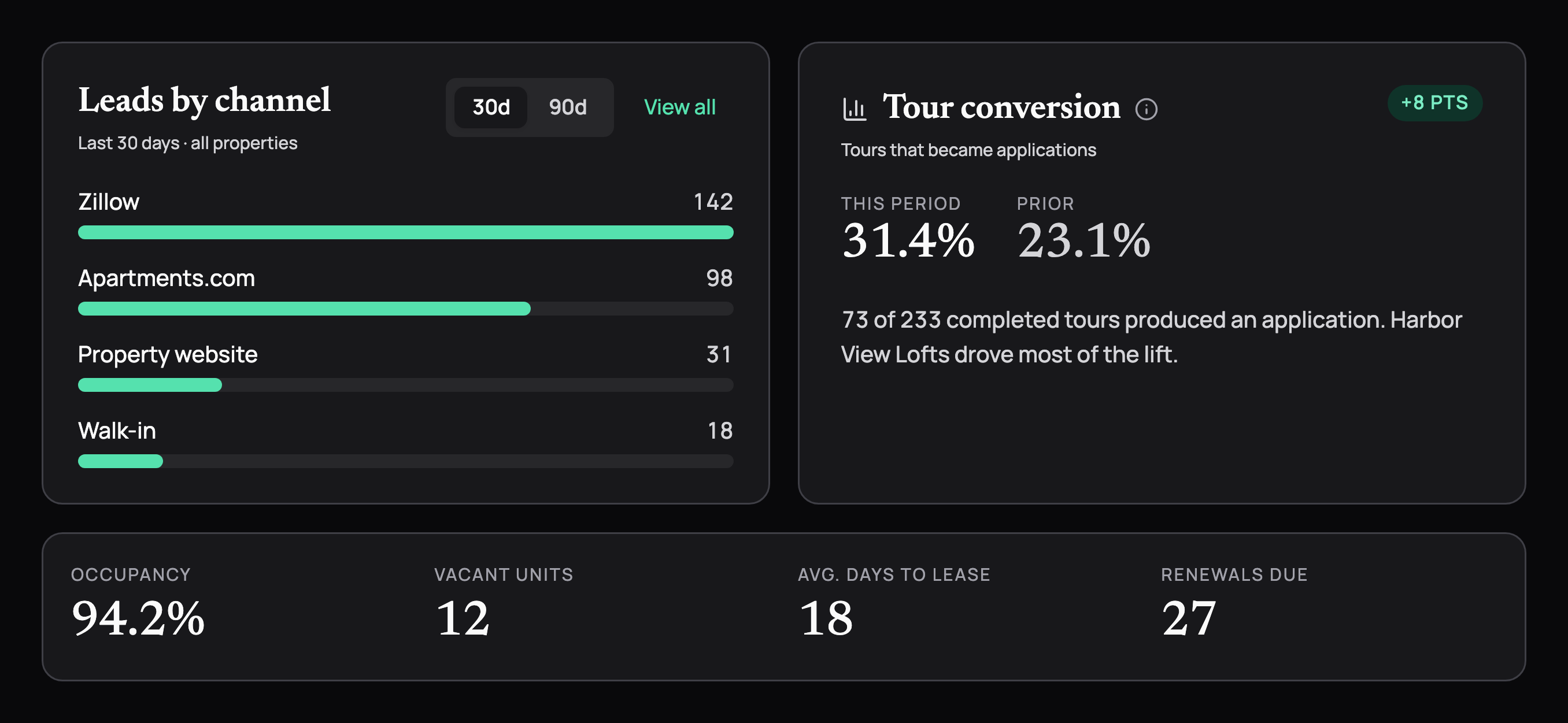
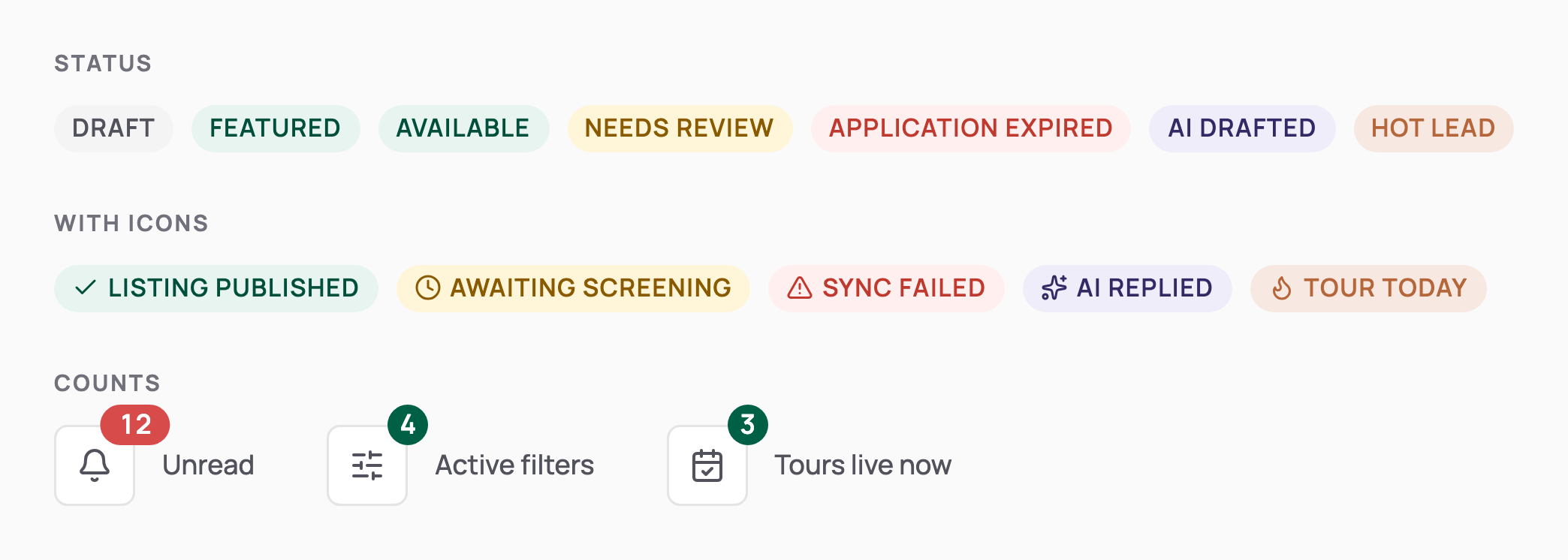
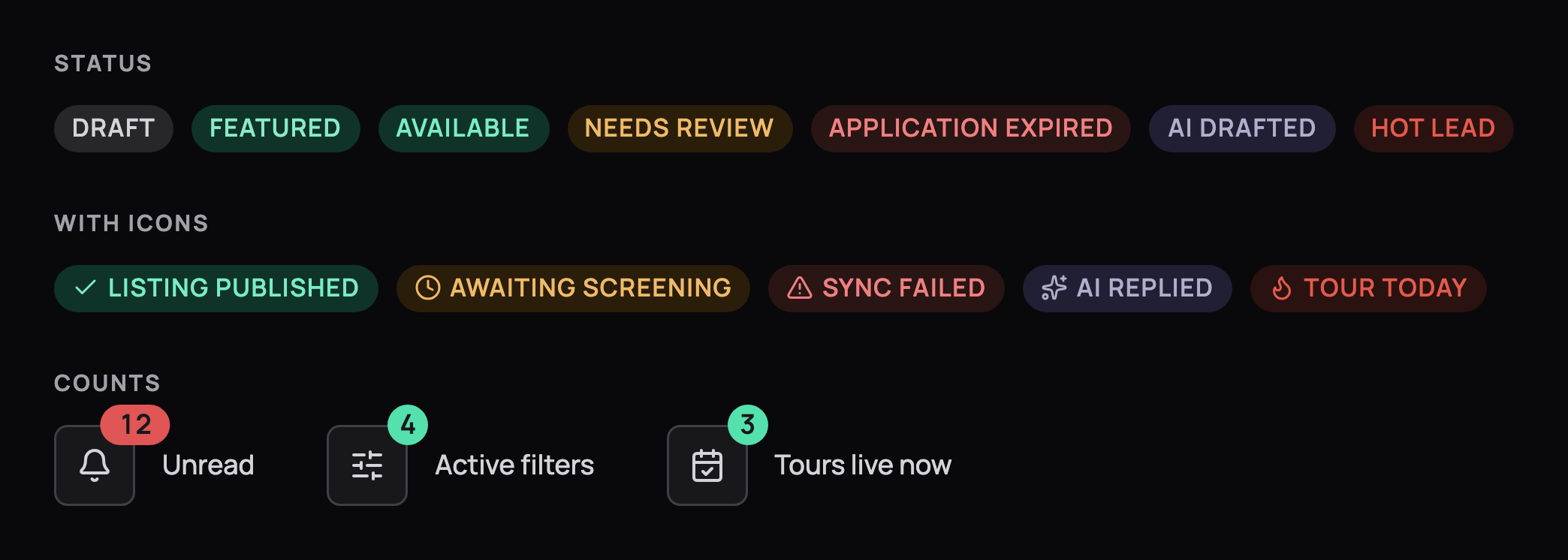
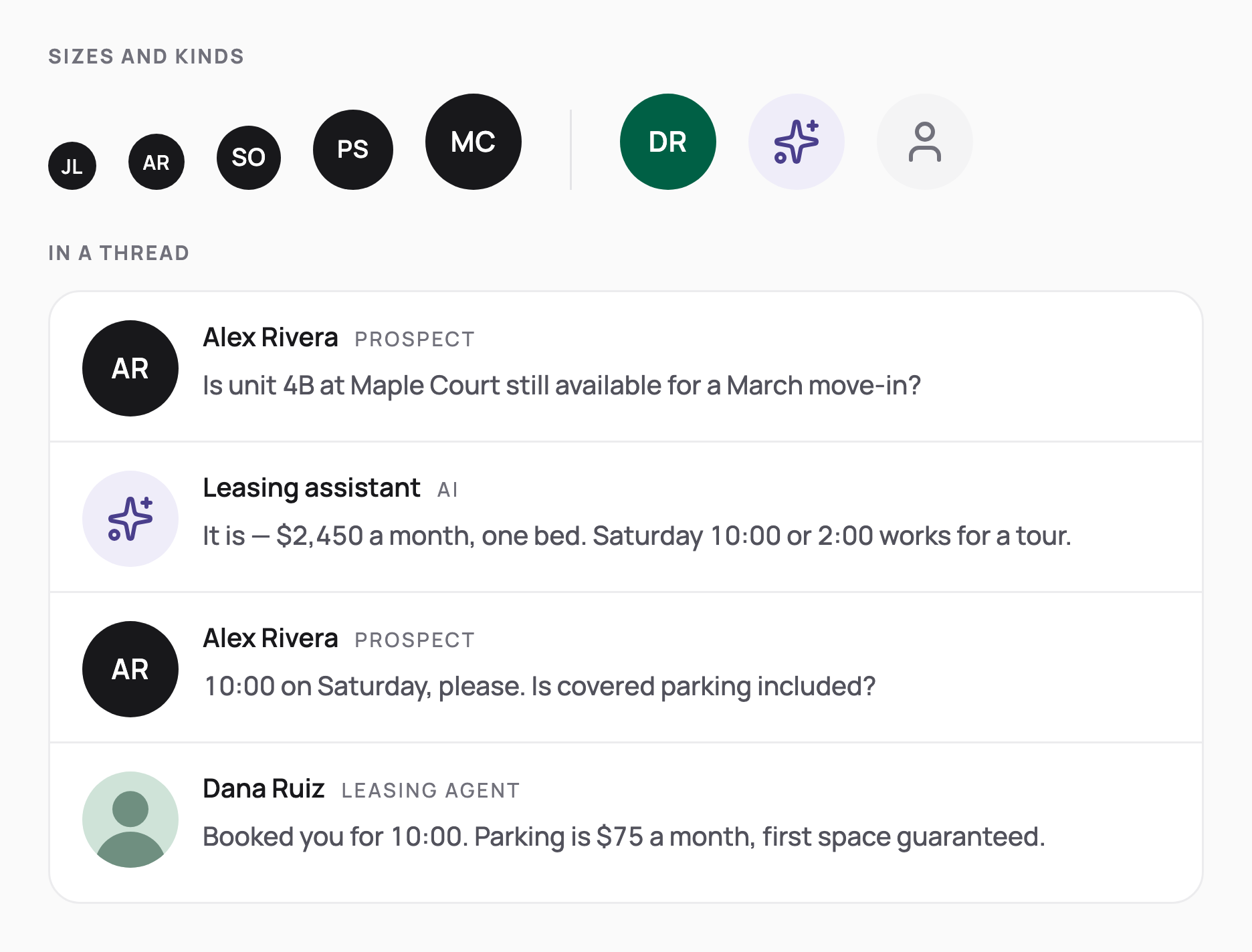
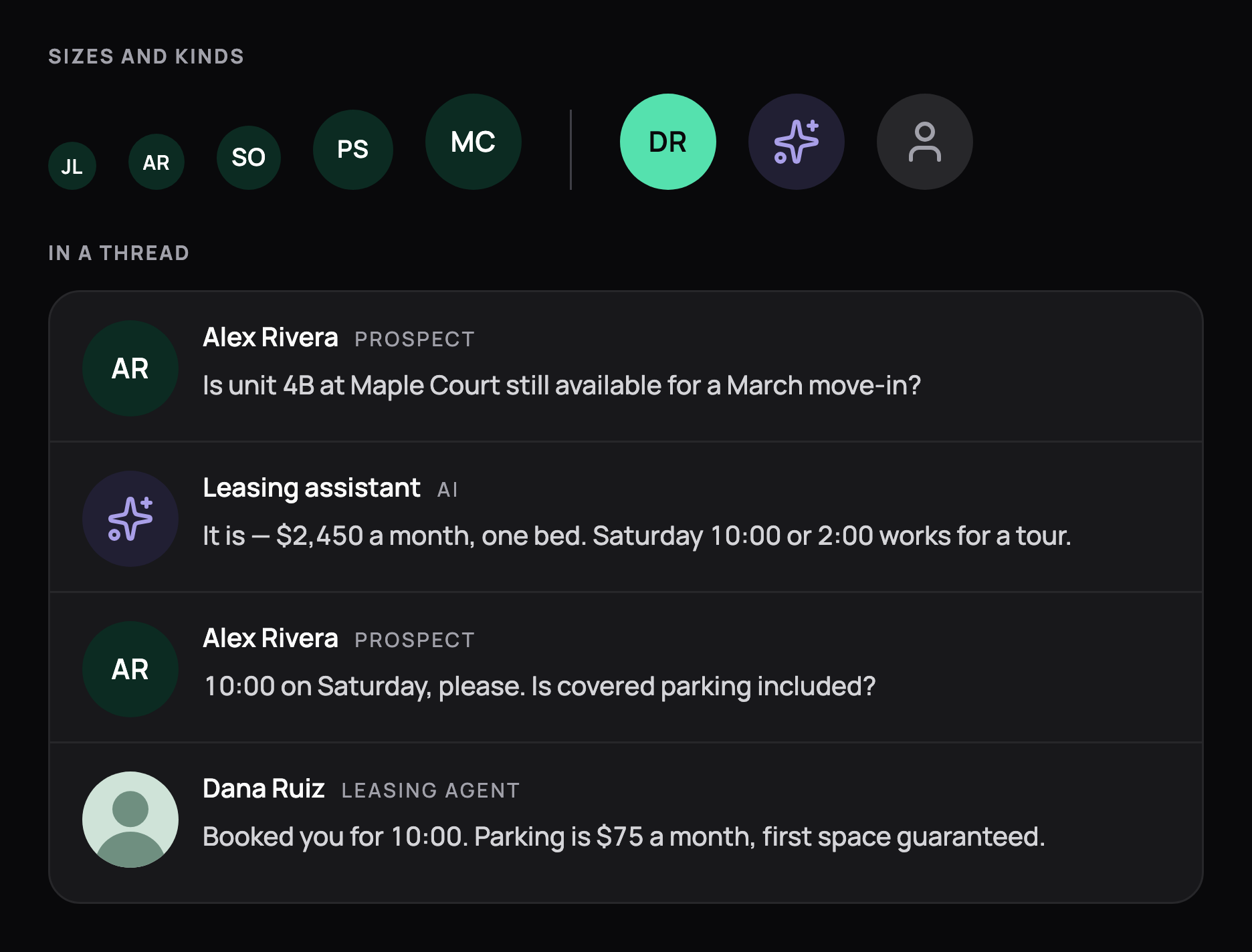
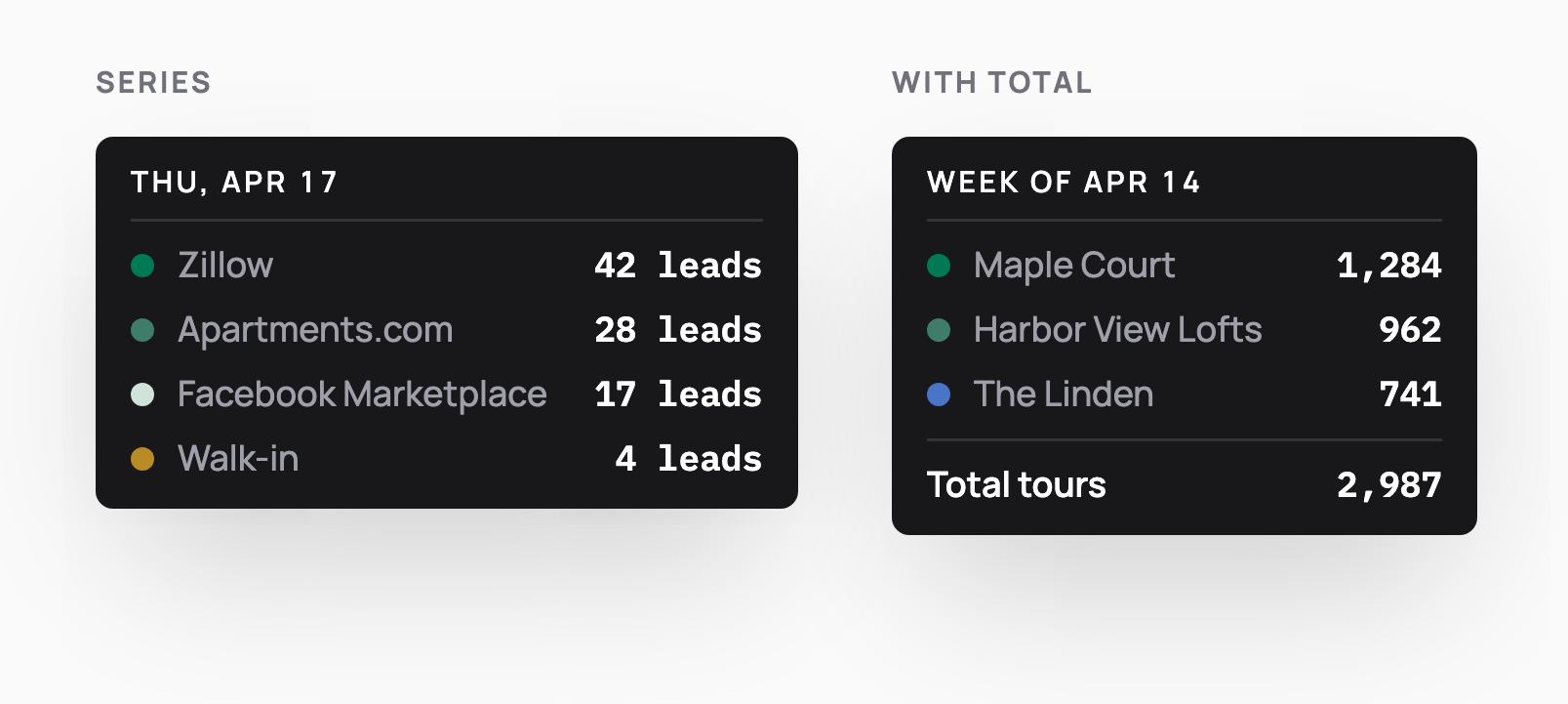
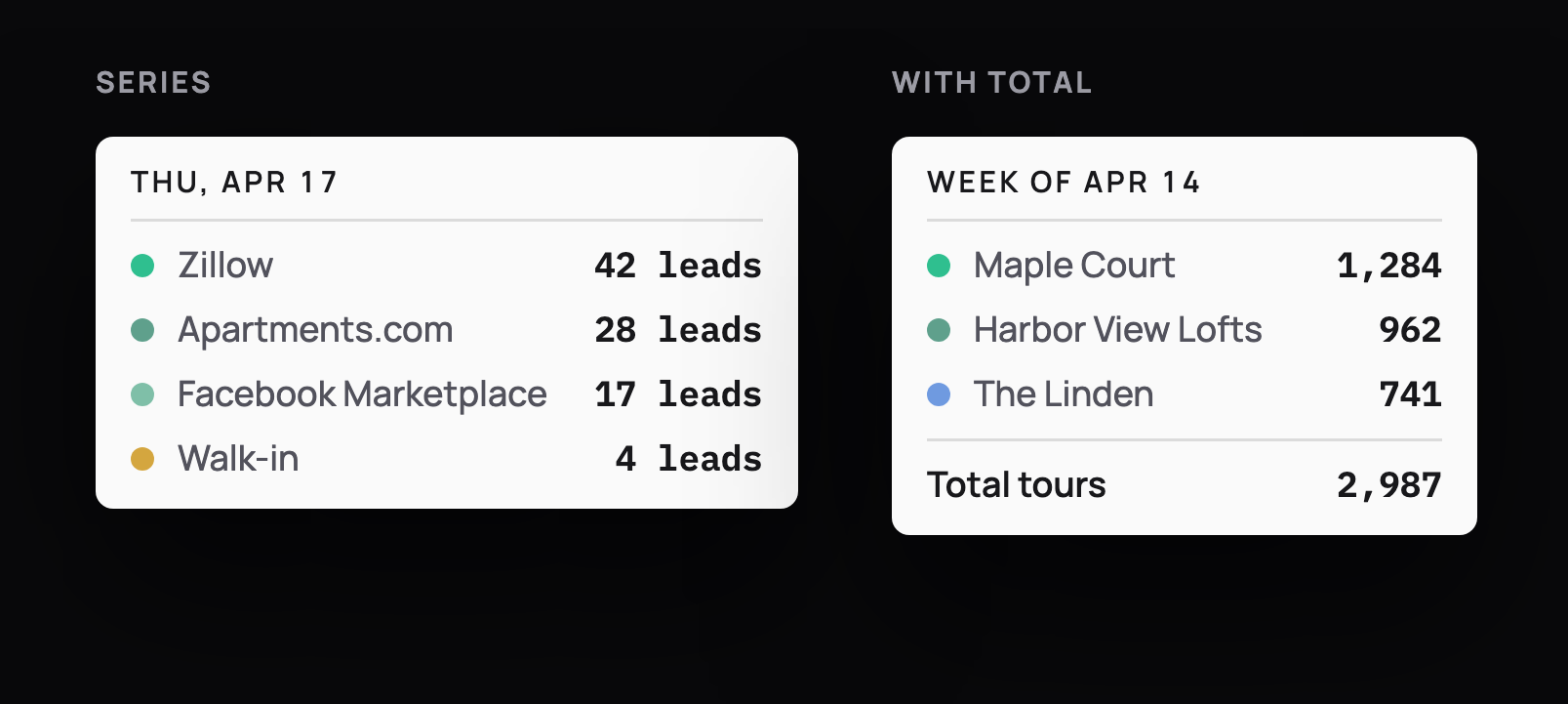
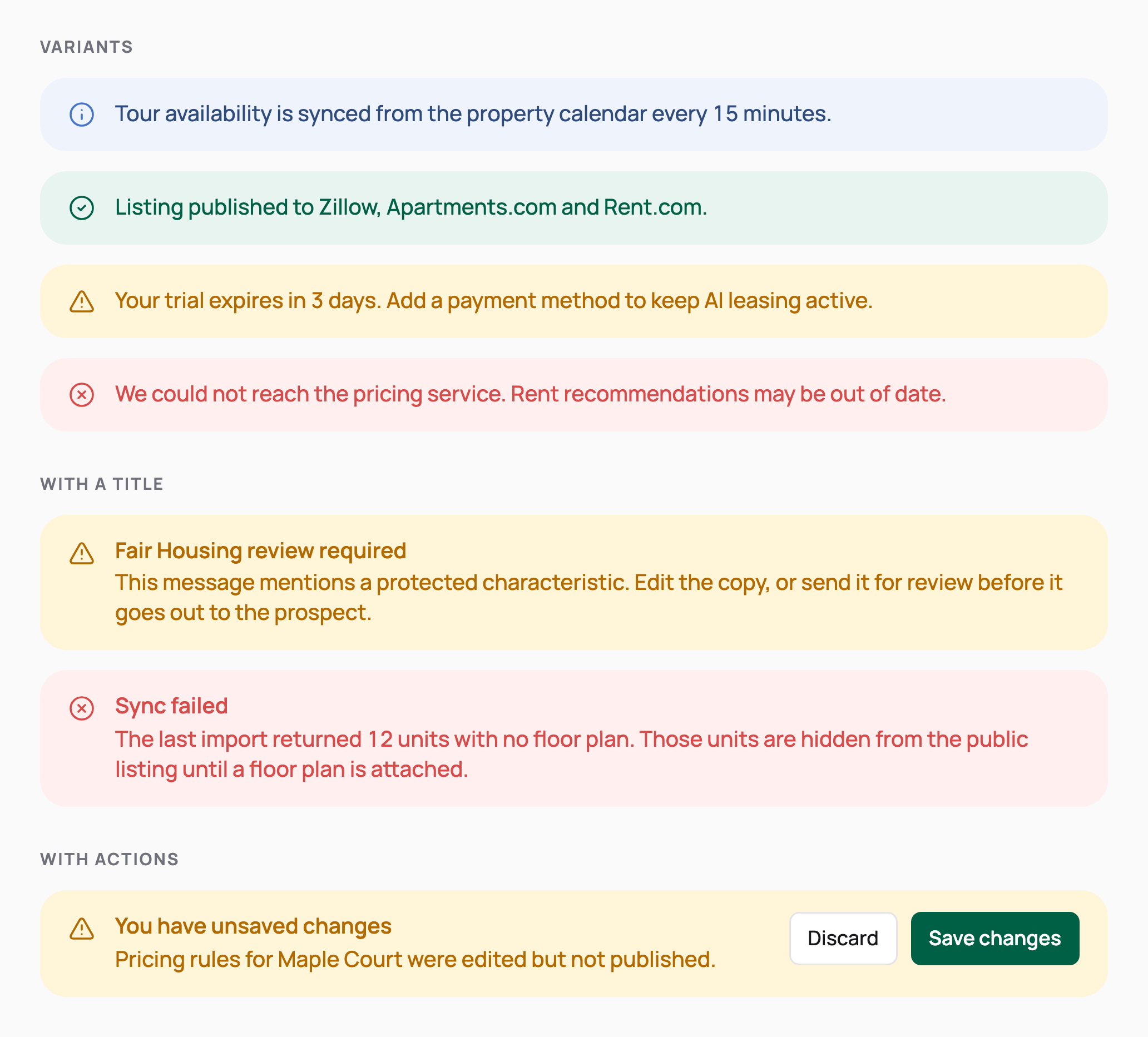
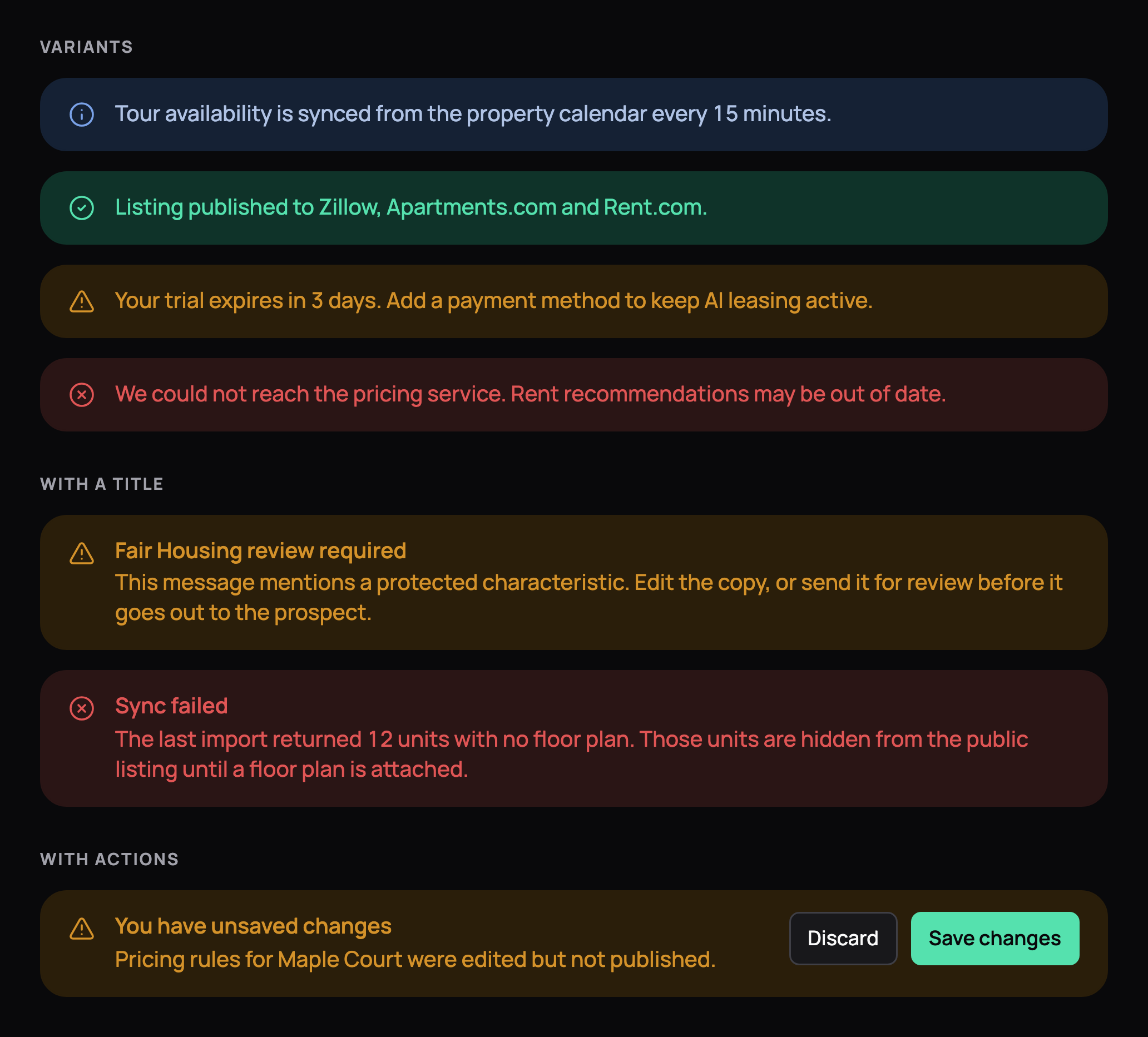
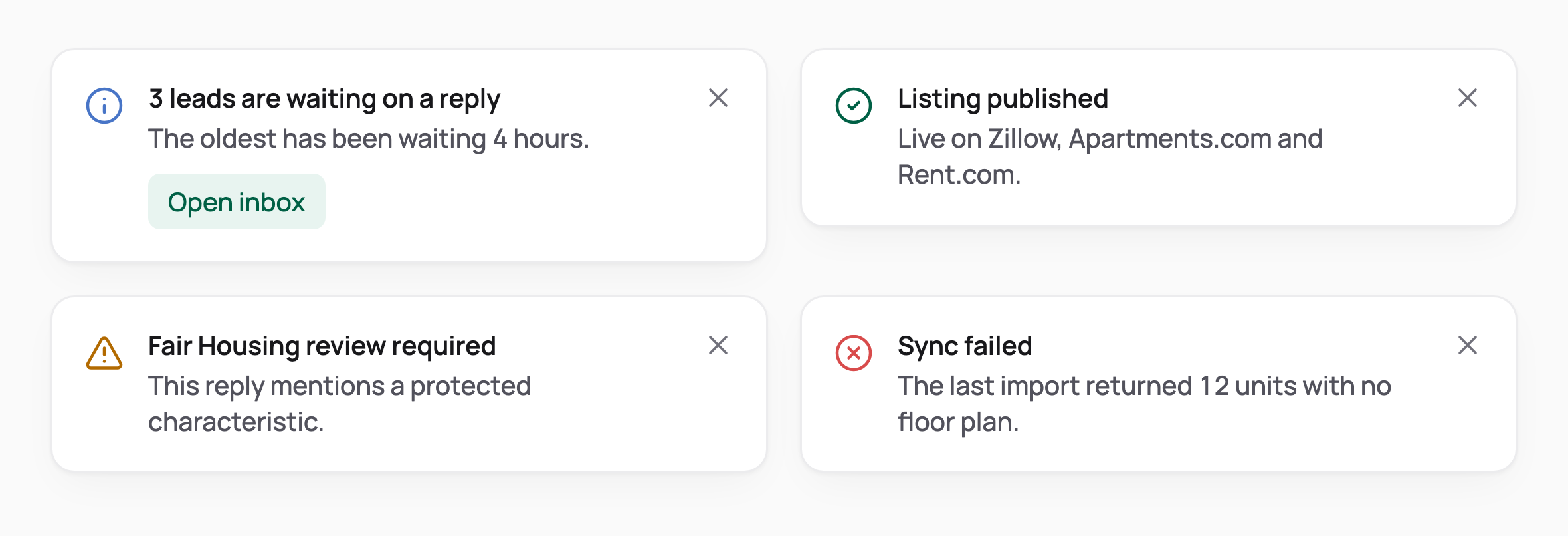
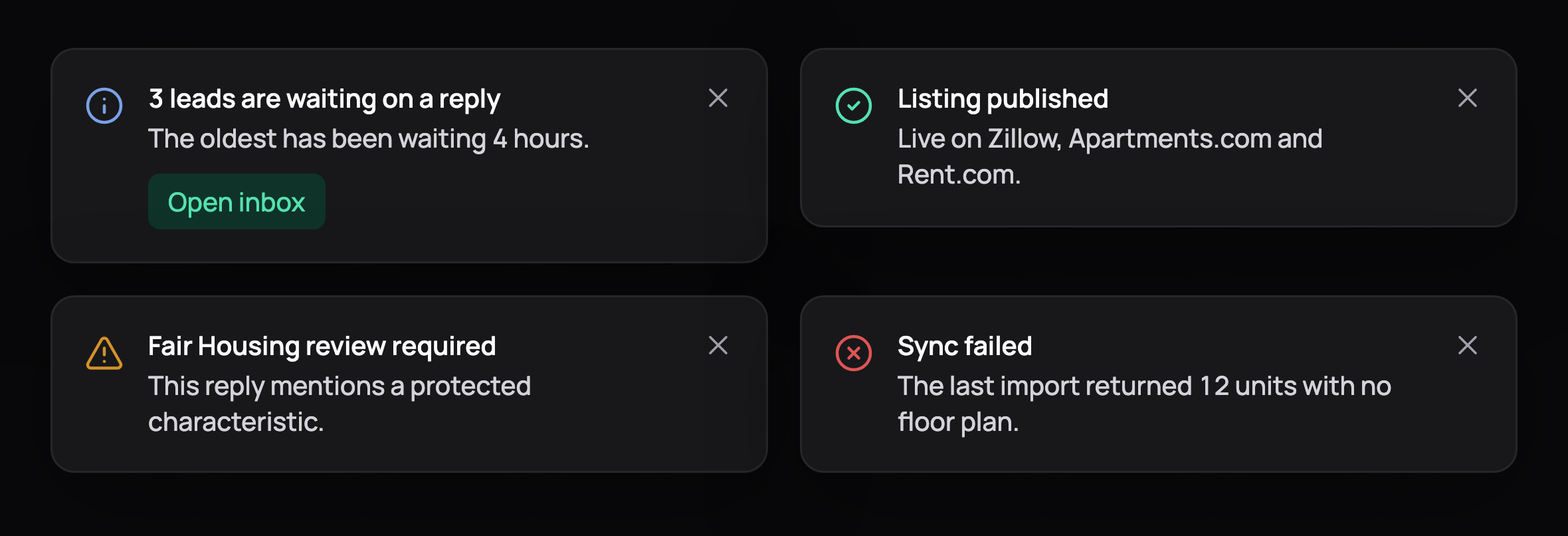
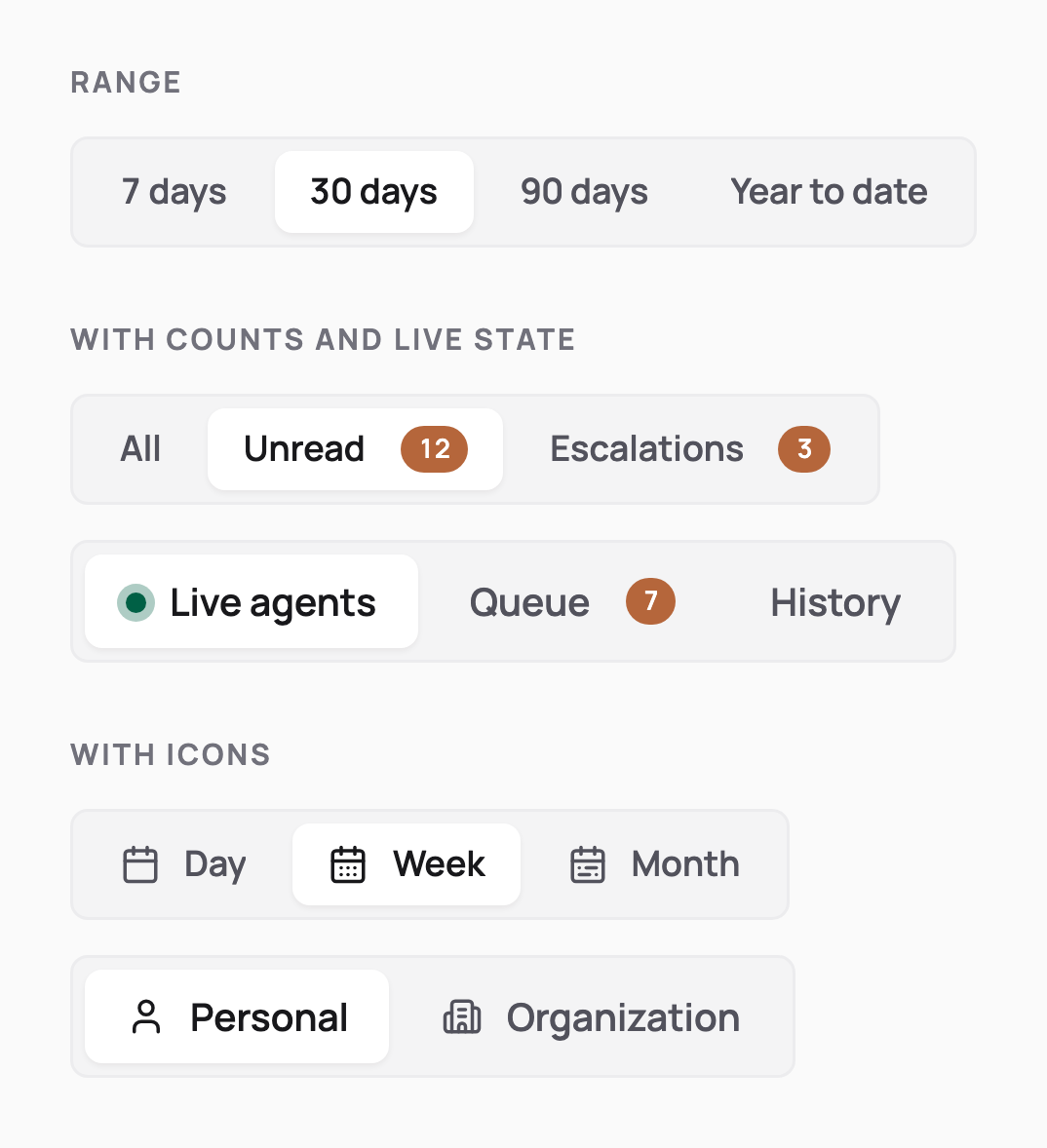
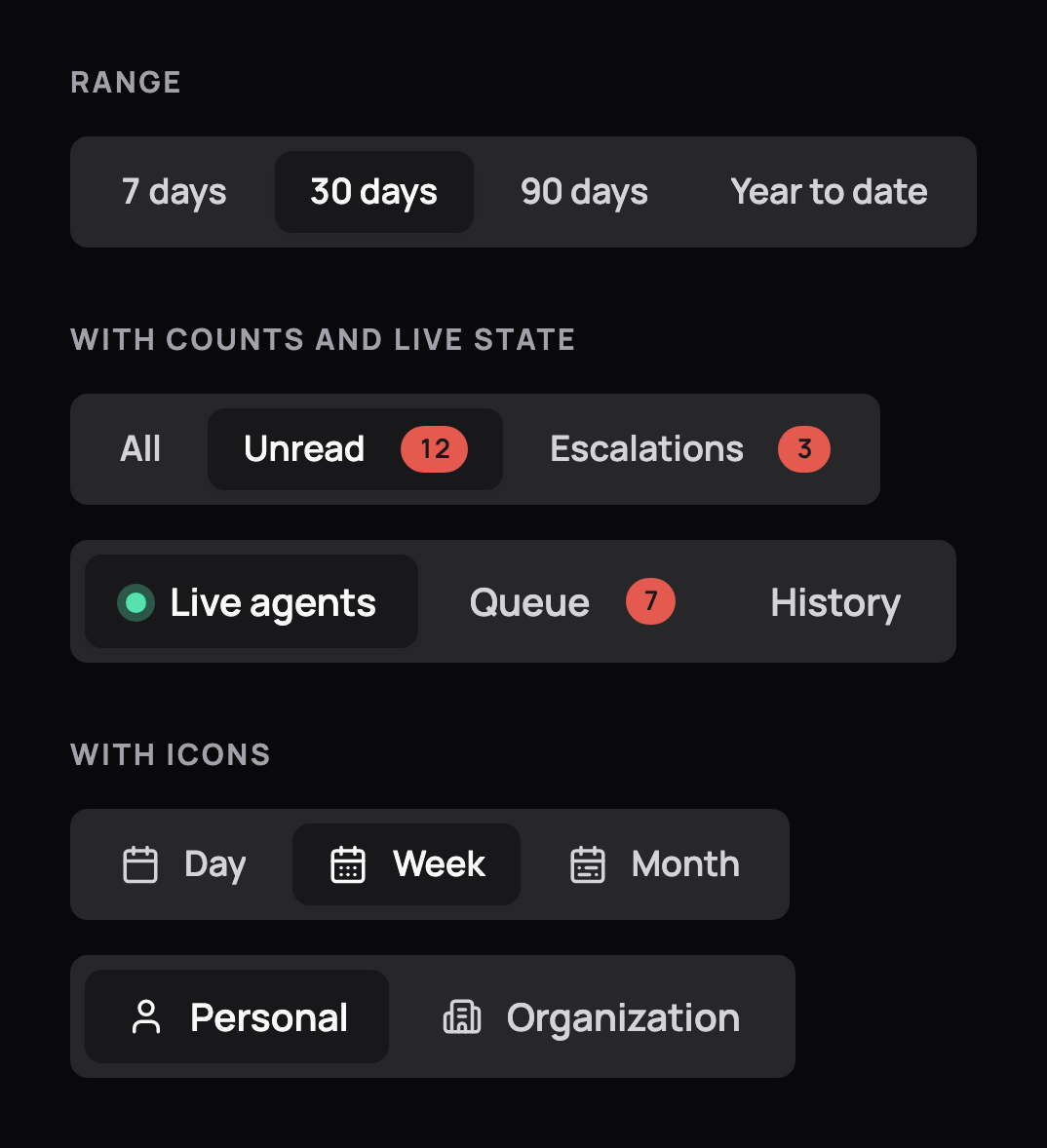
“One design language” is a claim, so here is the language itself. Warm cream surfaces, 2 greens with strict roles (olive for the brand, signal green for state — they never trade places), tabular numbers everywhere, 3 shadows in the entire system, dark mode built in. It lives as tokens and component CSS that the products build against, so the UI can’t drift apart again.
The rules that keep it tight
-
2 greens, 2 roles
Olive is the brand: buttons, logo, authority. Signal green is state: trend-up, live, success. They never trade places.
-
Selected is ink, not green
Active nav and segmented controls use ink. Green would read as branded when the element is just selected.
-
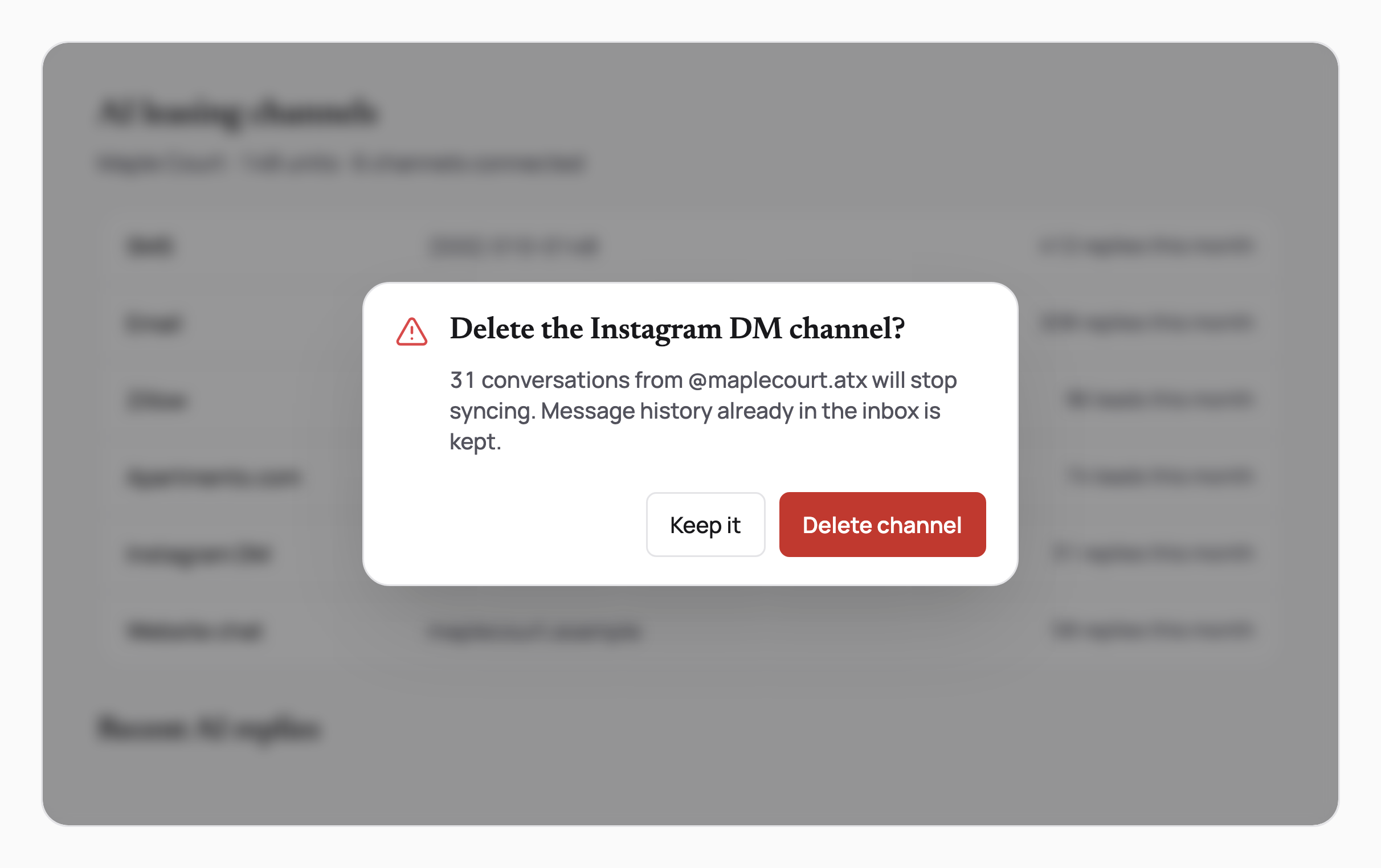
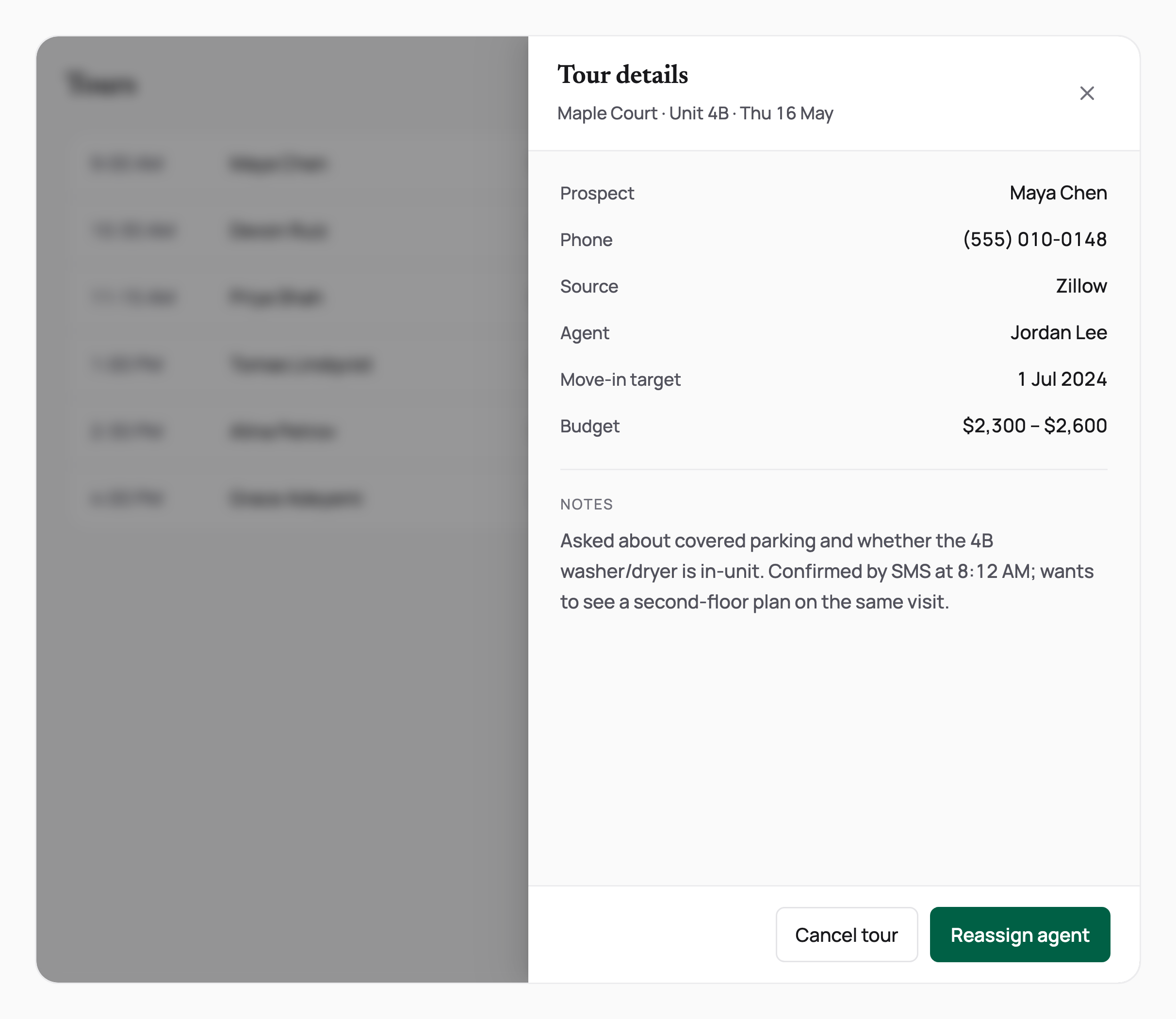
3 shadows, total
One for cards, one for the phone frame, one for modals. Everything else sits flat on a hairline border.
Foundations, light and dark
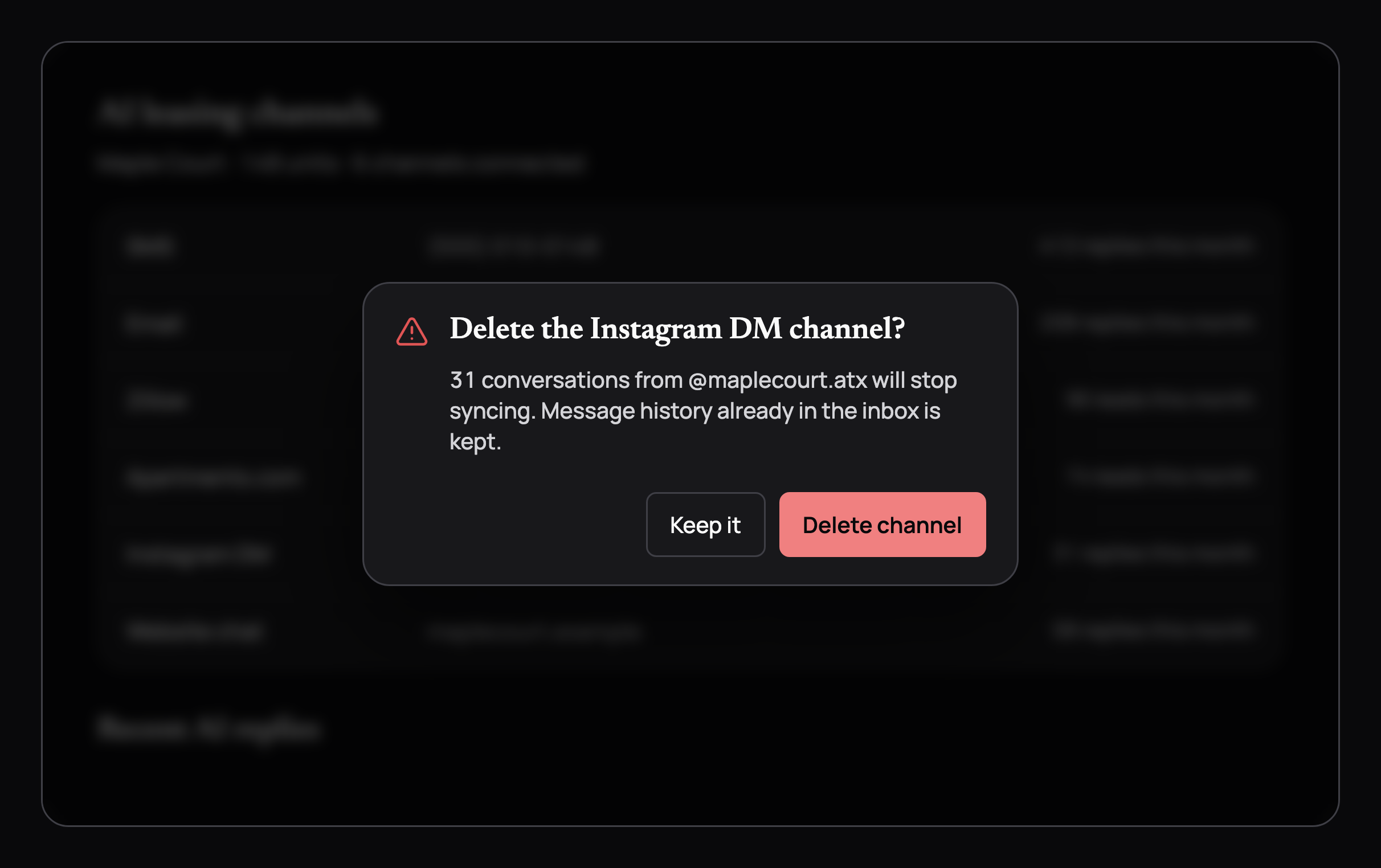
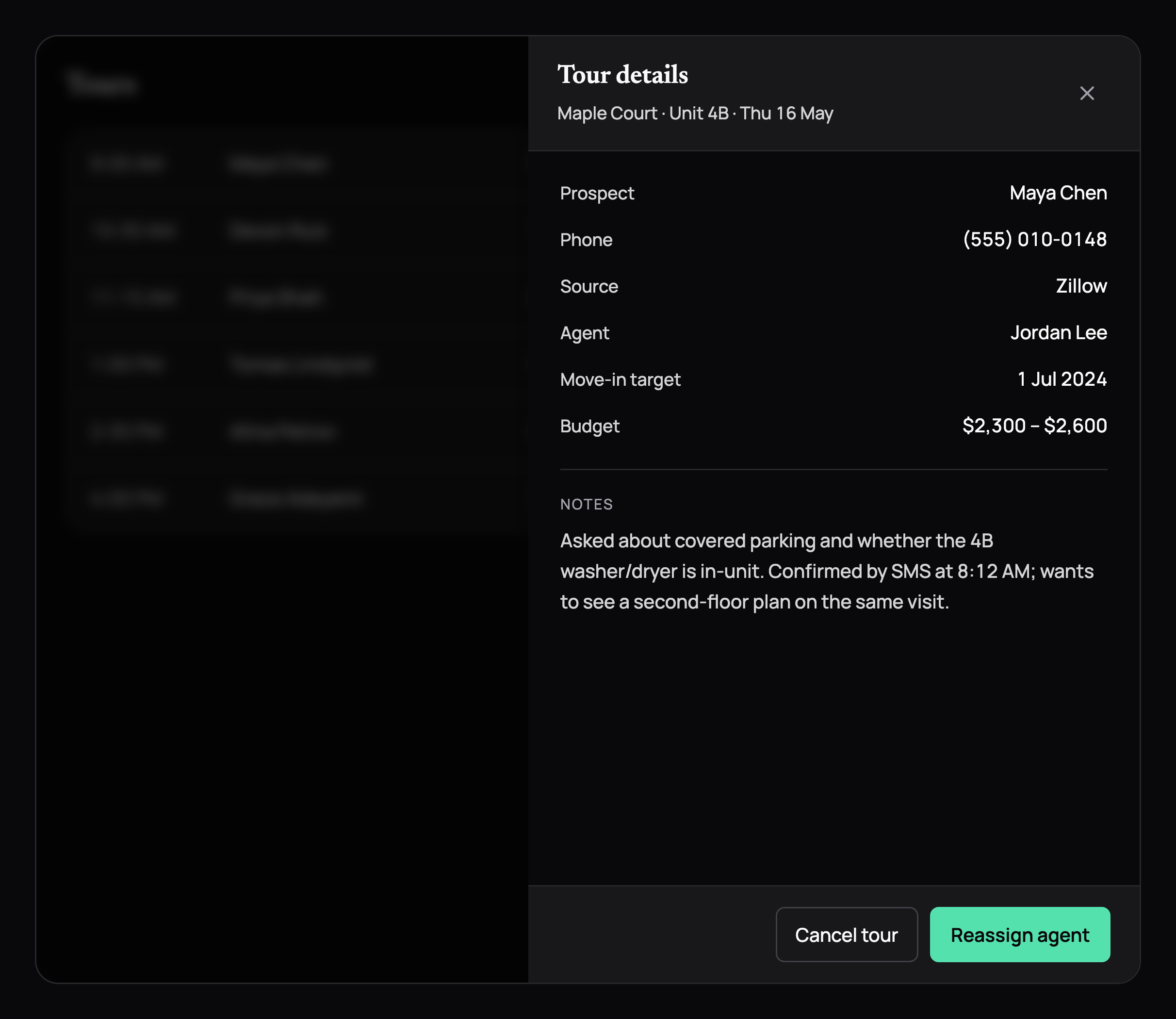
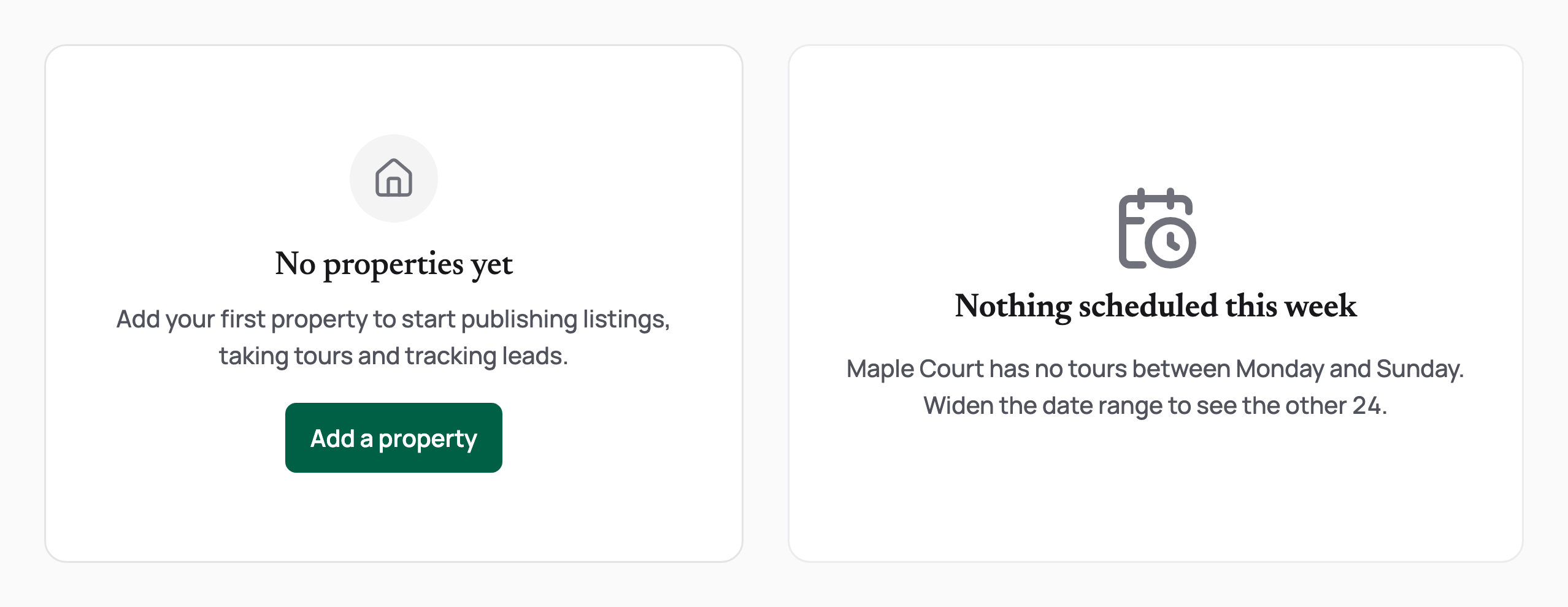
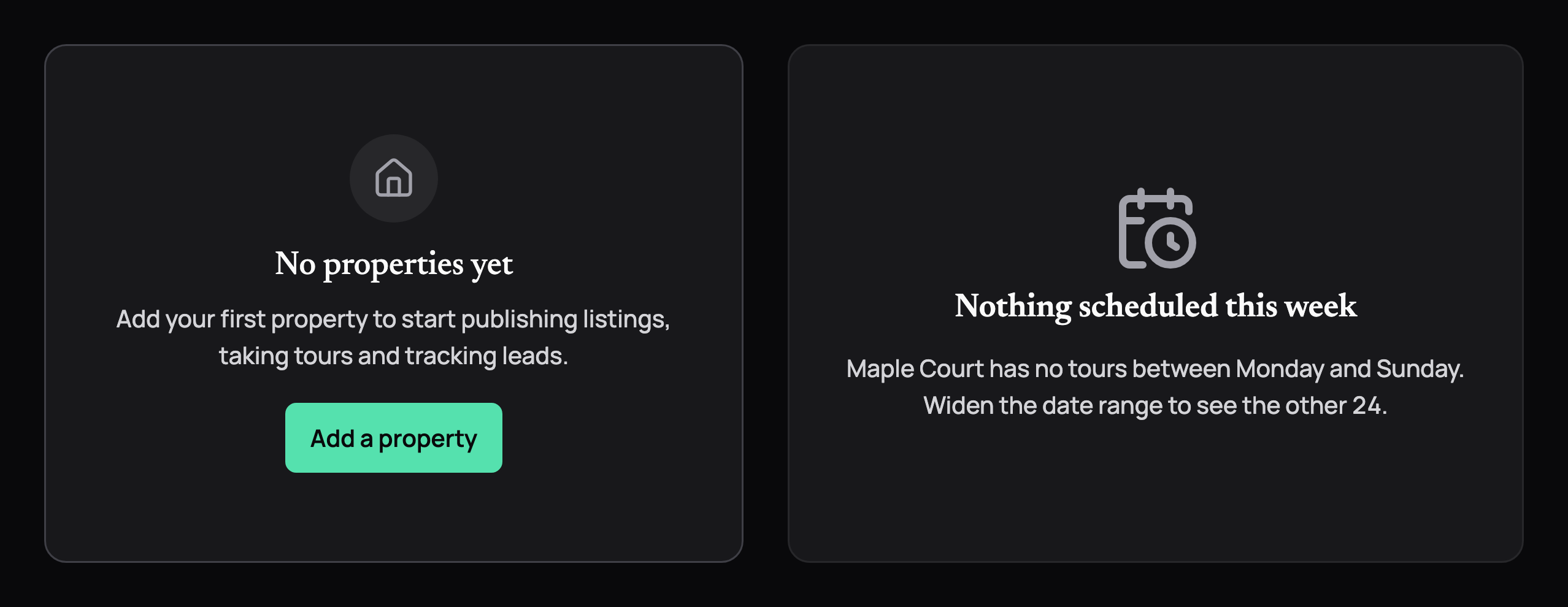
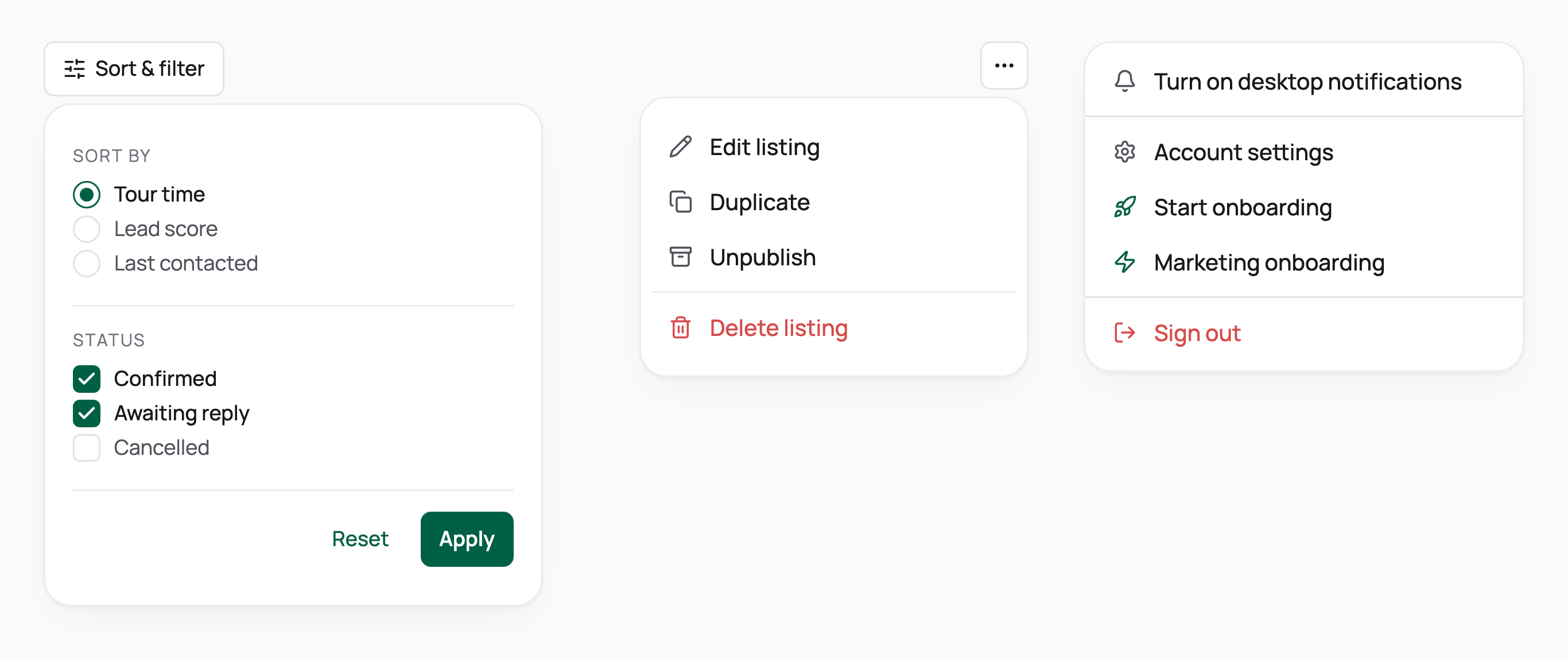
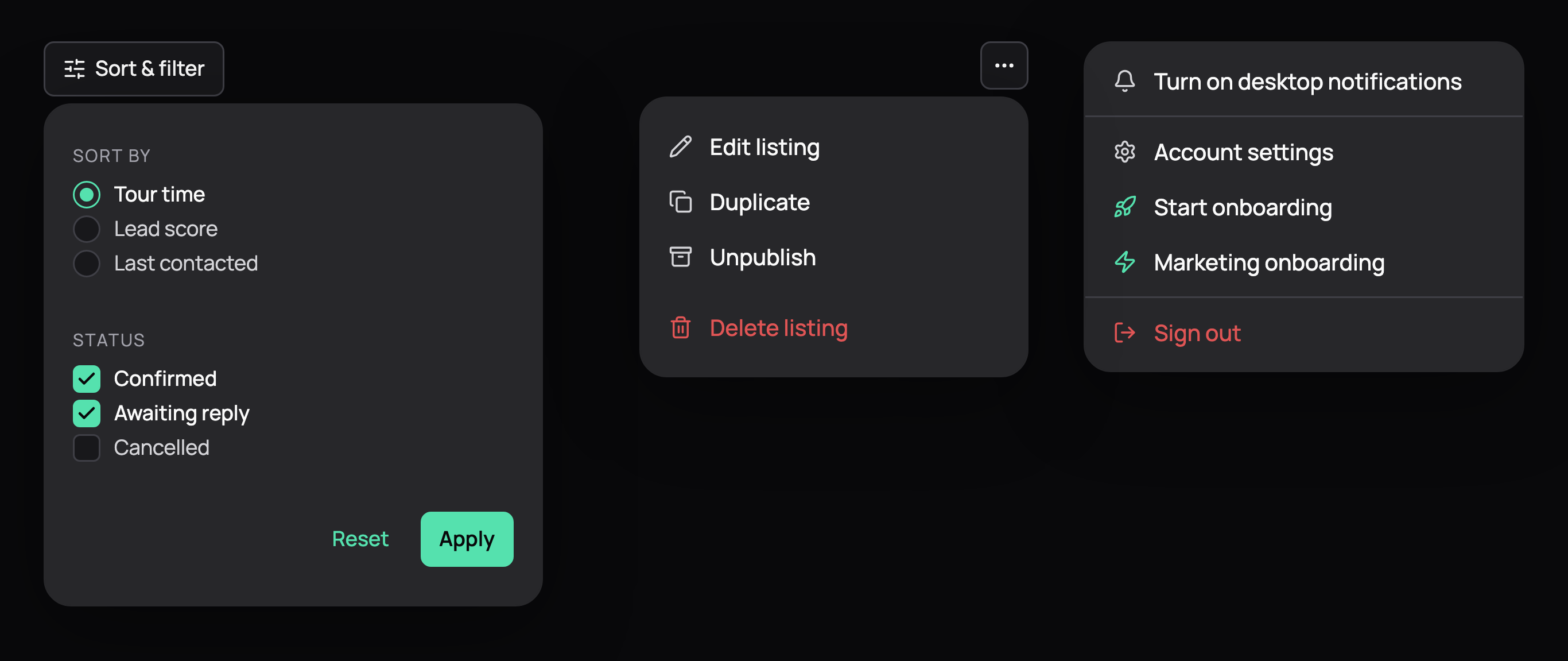
Dark mode is a token swap, not a second theme to maintain: the same component CSS reads flipped surface and state values.
I built this system in Claude Design, then extracted it to the tokens and component CSS the products compile against. The specimens above are rendered straight from that CSS, so what you see is what ships.
On the go — the agent's mobile app
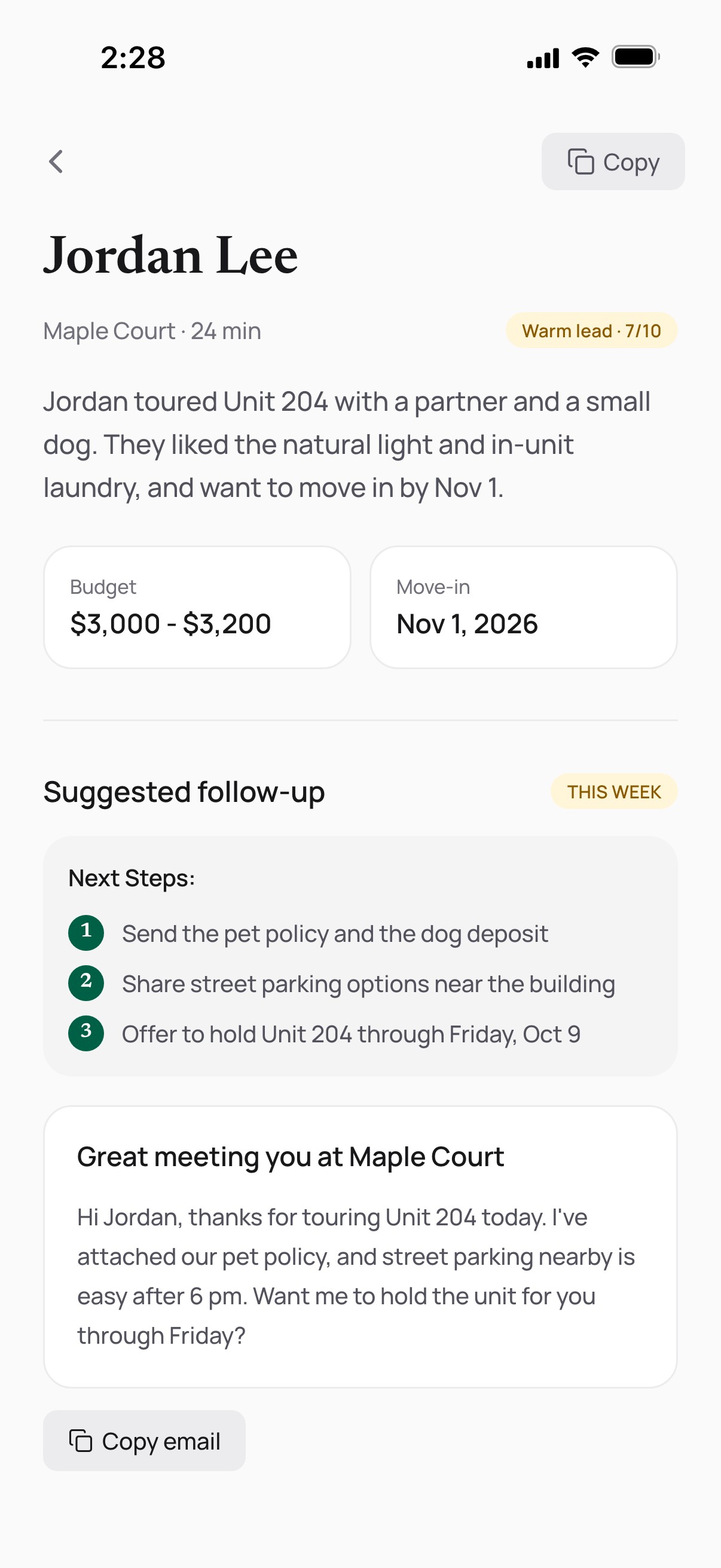
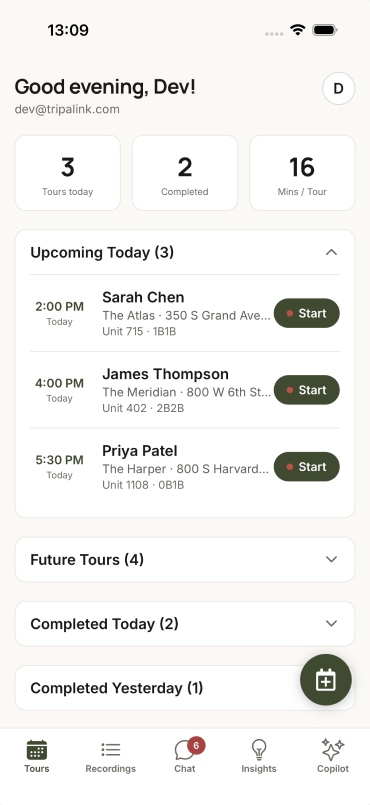
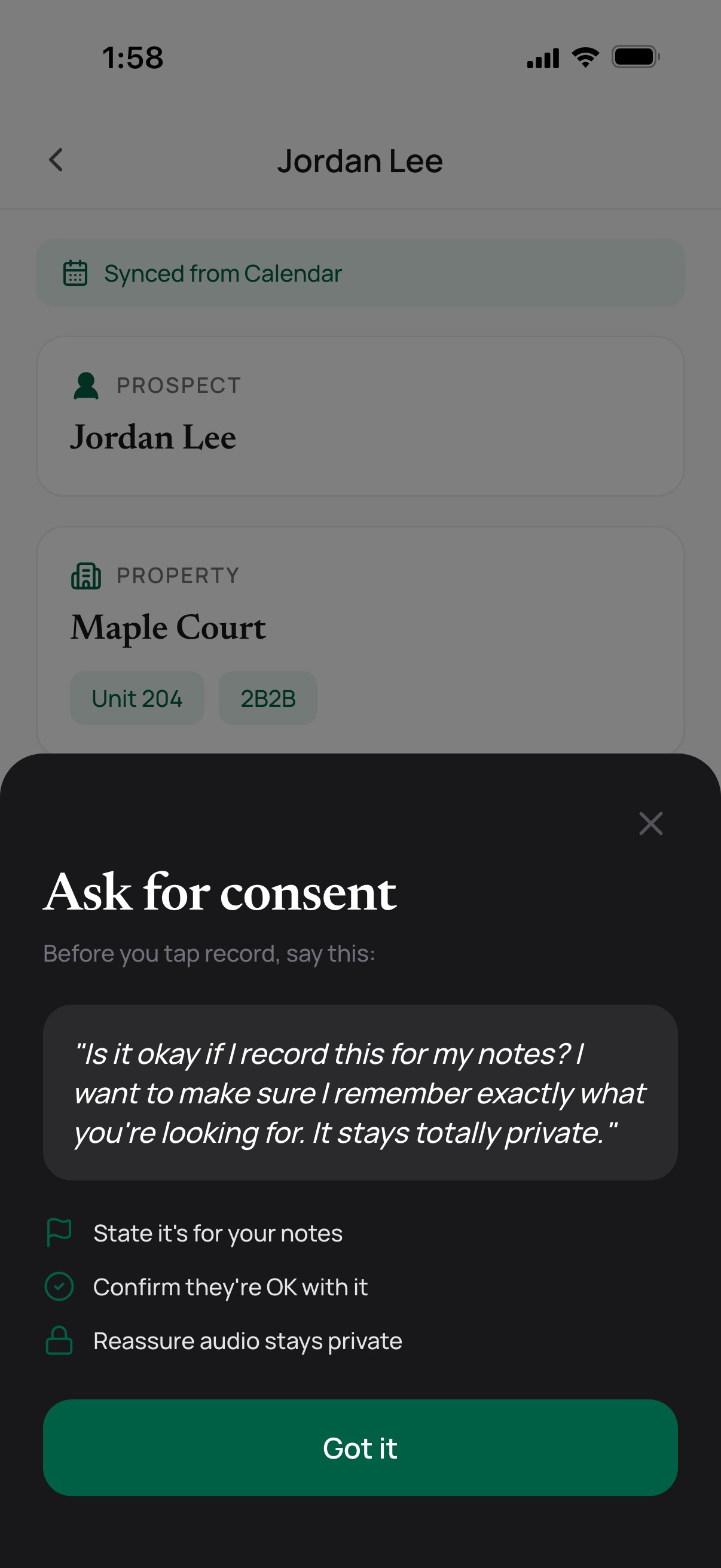
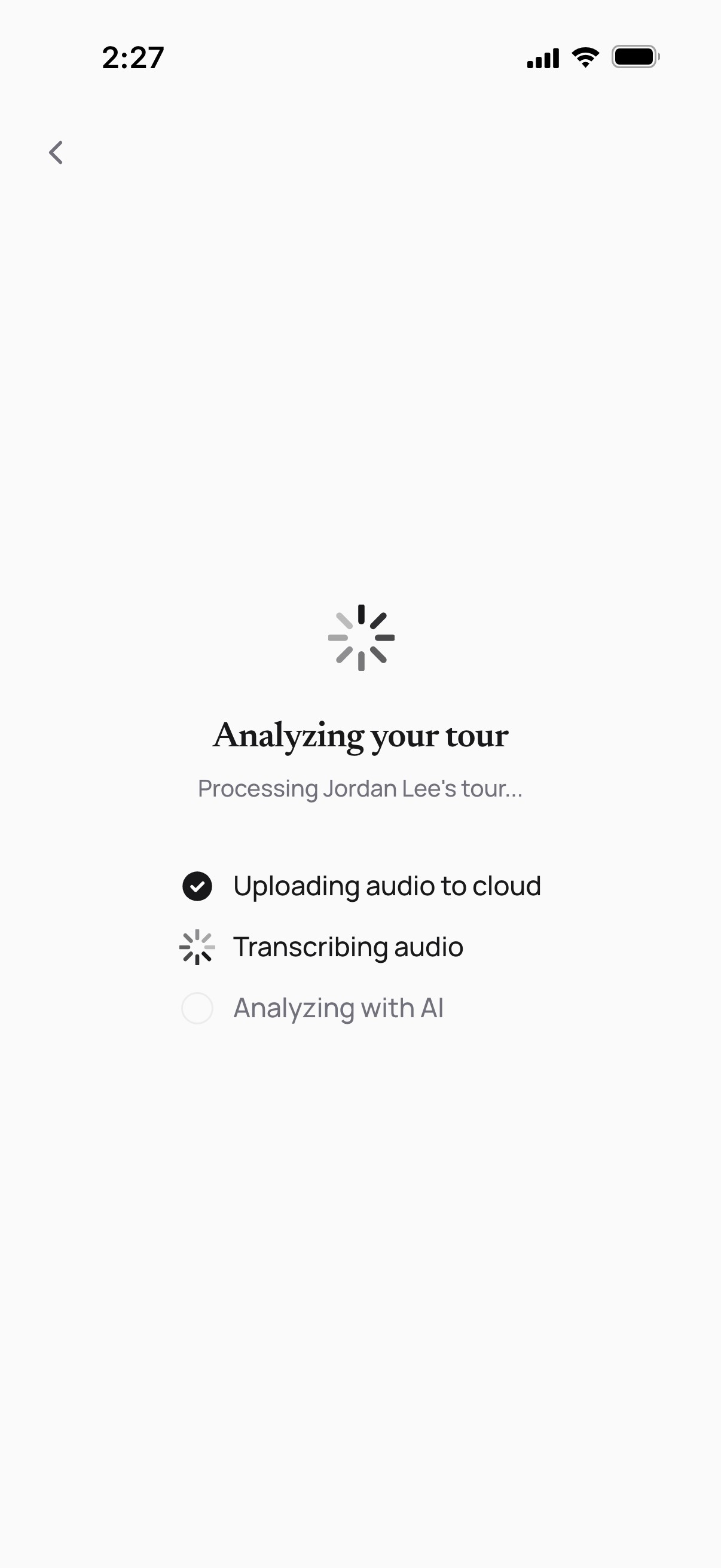
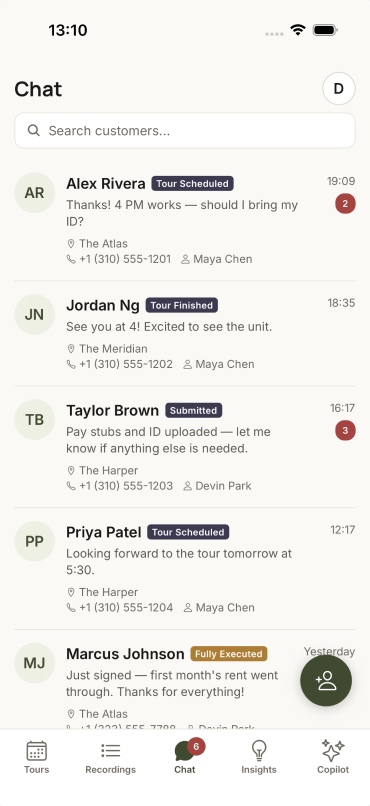
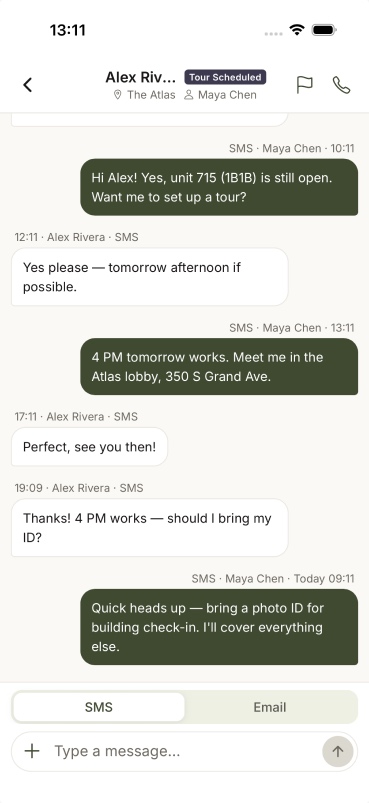
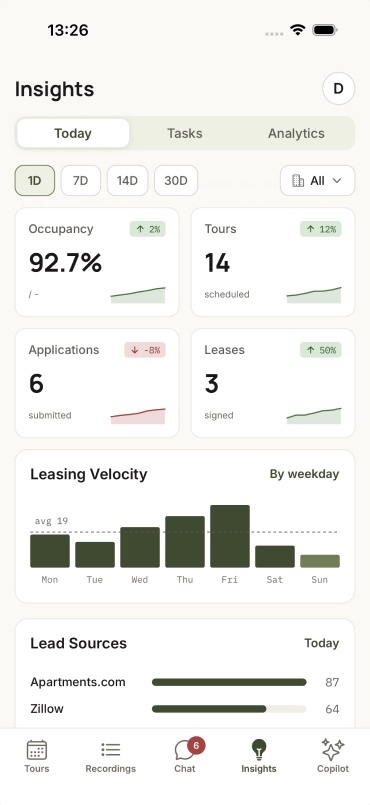
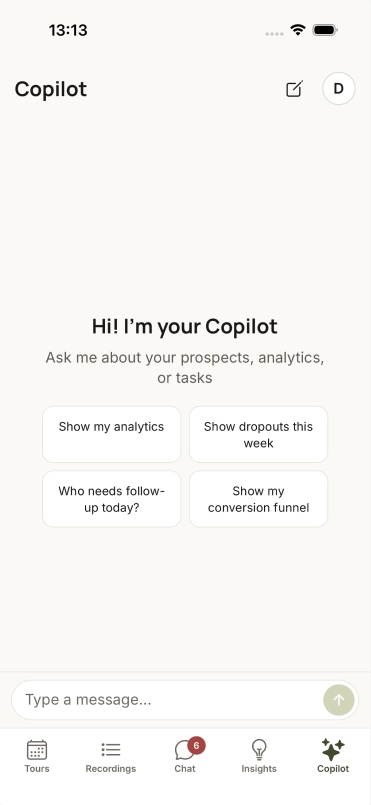
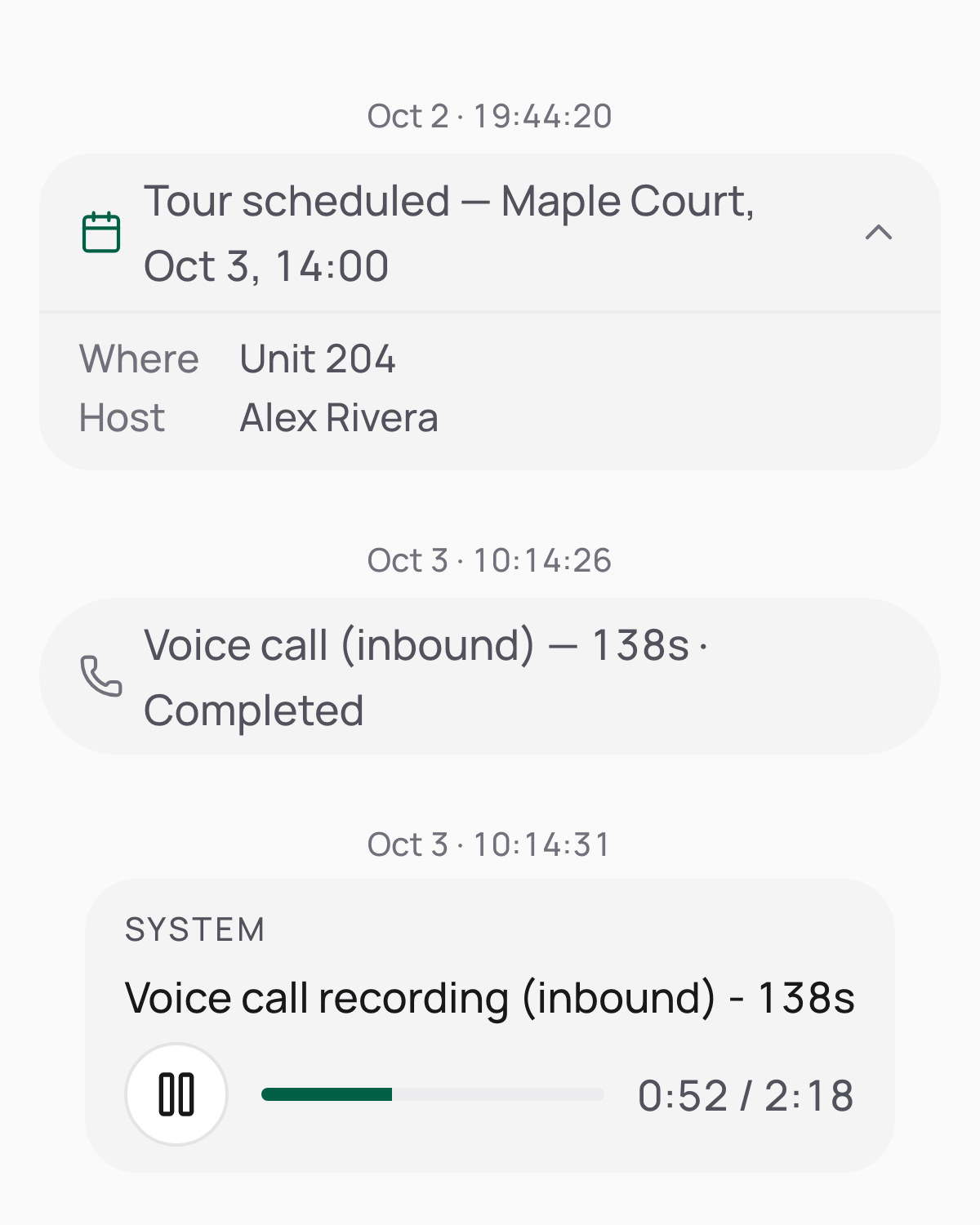
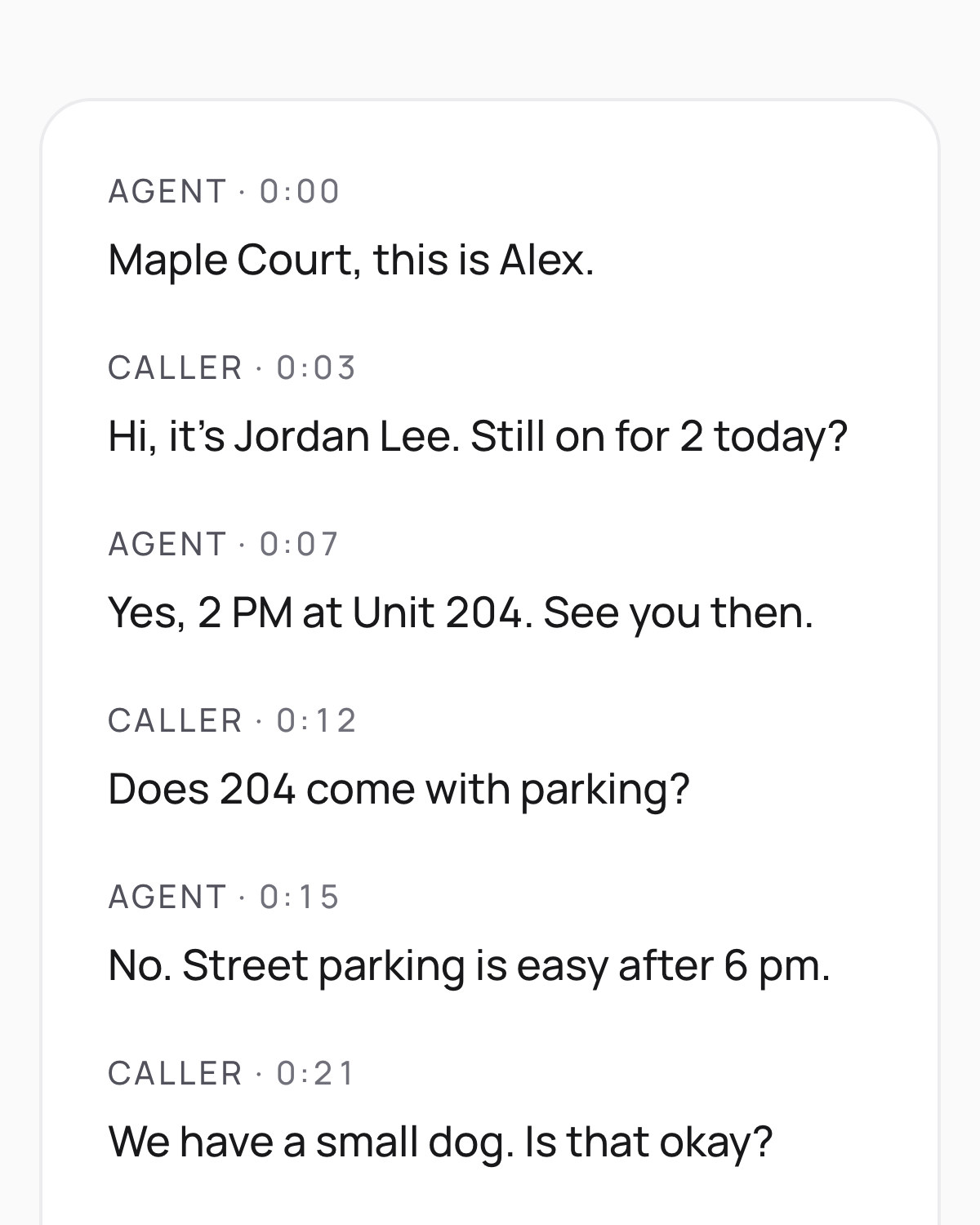
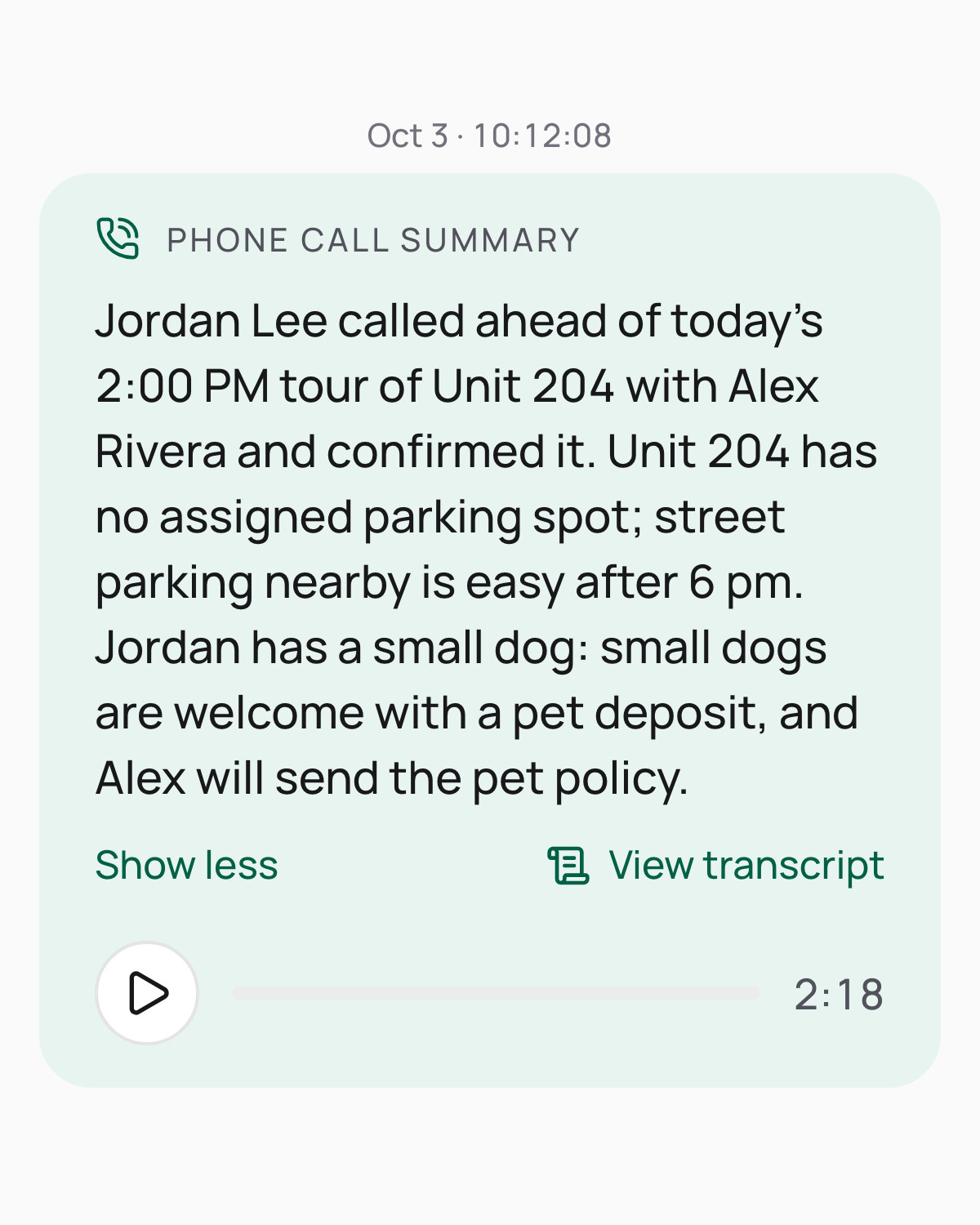
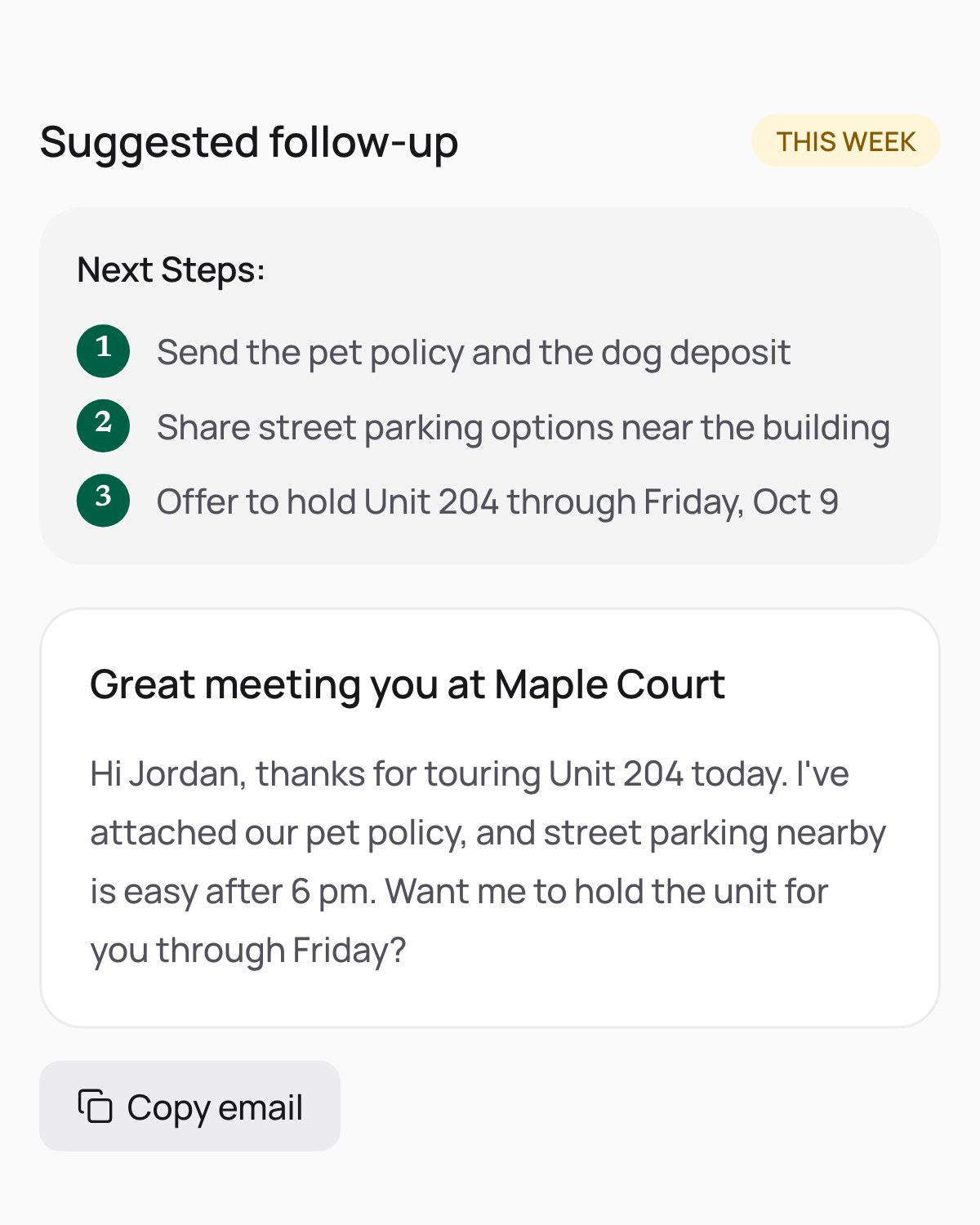
Leasing happens on foot, so we built the agents’ app from scratch in 2 weeks, and I decided what went in first. The feature I pushed hardest for was tour recording: it auto-summarizes the visit and sends the prospect a recap, so leasing’s highest-signal moment becomes data instead of a fading memory. Around it sit chat and calls, tour scheduling, prospect management, and the Copilot.
-
Today's tours, one tap to start
-
Tour recording → auto-summary
-
Every conversation, one inbox
-
Message and call from the field
-
The funnel, in your pocket
-
The Copilot, in a pocket
What it's done so far — honestly
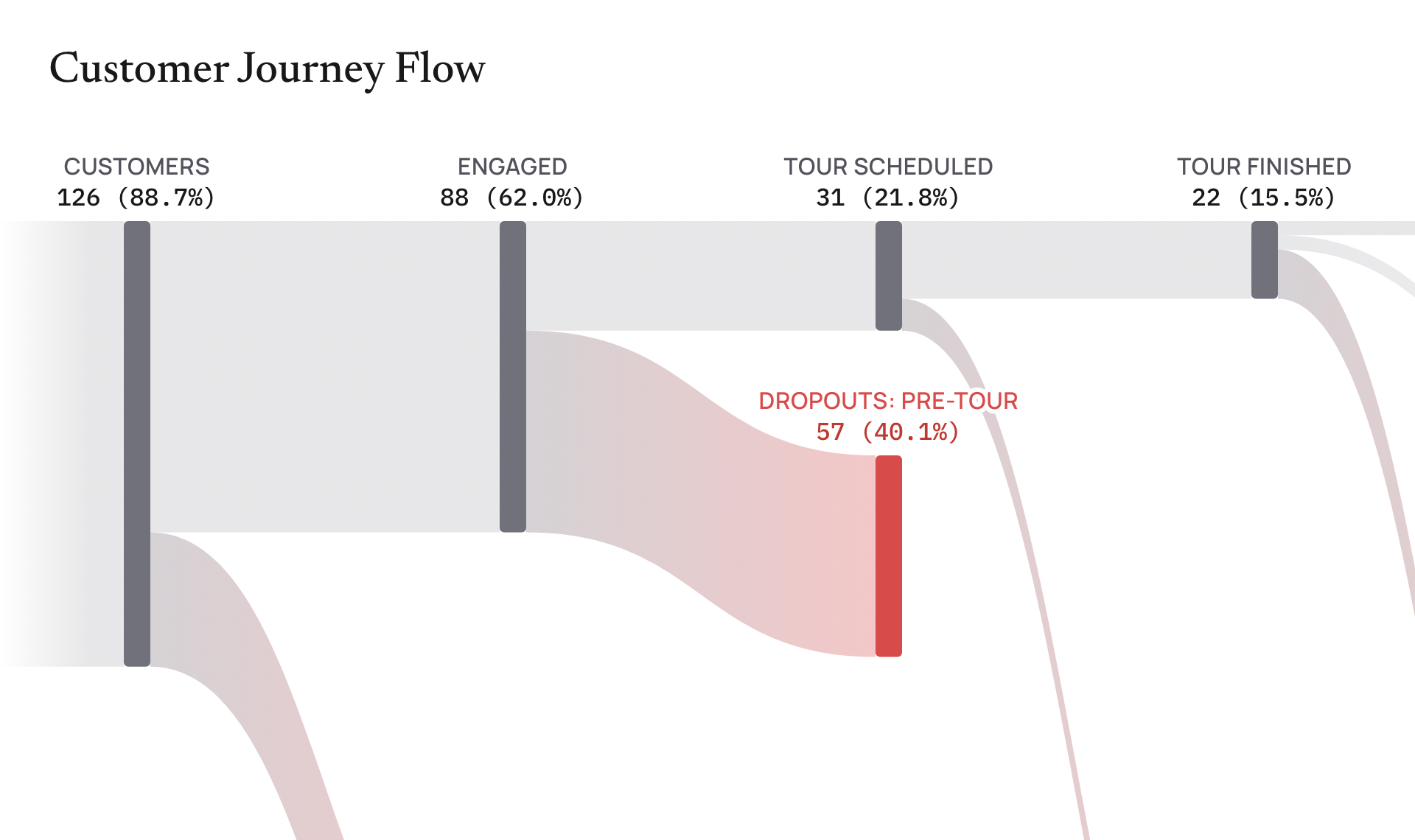
The sharpest evidence is one property that ran entirely on the merged platform: 93 units, 3 leasing agents, 2 months. Every one of these leads entered in that window, and every signed lease came from that same group, so it’s one funnel I can follow end to end.
Superset dashboard. Observed at the measurement cutoff, so the cohort is still maturing: leads from the final weeks hadn’t had time to convert. For reference, the average lead-to-lease across 1.5M leads and 4,300 properties is 8.7% (ResMan, 2024), though operators define a “lead” differently enough that cross-company comparison is directional at best.
Worth knowing how to read that last number: this is a new property in lease-up. We’re leasing all 93 units at once, including the ones a stabilized building would rarely list. Industry averages are mostly stabilized properties turning over a fraction of their units a year, so it isn’t a like-for-like comparison. It’s also why there’s no before-and-after here. There was no before.
The recordings are what made the drop-off legible. The same objections kept coming back: no parking, bedrooms with windows facing the stairwell or the elevator. I can’t say those cost us every lost lease, and I’m not claiming the platform caused a lift, there’s no clean baseline for that. What it did was run the whole funnel and show me where it leaked.
The portal is built and merged, but not yet cut over, and the convergence was a team effort I helped drive as design lead. What I’d measure next: funnel lift per segment, how many tours the AI books on its own, and whether the recap emails get opened.
Reflection
The system was the design problem
The interesting problem was never one screen. It was turning 3 fast, separate bets into one coherent platform without a rewrite or a drop in quality, because that’s what customers were asking for.
Renters aren't one audience
Renters don’t want the same things, so the AI shouldn’t hand them the same answer. The segment work is where the product earns trust: a virtual tour for someone across the world, an honest alternative when a box isn’t ticked.
Spec first, then let AI build
Early on I handed AI coding an underspecified design language and took the speed. The drift and rework that followed taught me the order: write the system down first — a design.md, tokens, tested components — then let AI build against it. Slower first week, faster every week after.